




























Vienreizlietojamās e-cigaretes
The Comprehensive Engineering & Regulatory Guide to Disposable Vape Disposal
Pēdējo reizi atjaunināts 2026. gada 10. martā autors Džeks Tai
Expertise & Leadership: About the Author
Džeks Tai is the founder and visionary behind ELFvēpings, bringing over 10 years of hands-on engineering and supply chain experience in the disposable vape industry. With a profound understanding of global market trends, regulatory compliance, and electro-mechanical device logistics, Jack has spent the last 5+ years building ELFVAPING into a trusted, one-stop global hub for top-tier brands like BANG BOX, WASPE, UWIN, RandM, FIZZY, BIMO, Bang, Doloda, Elf Box, and MYDE.
An advocate for accessible wholesale operations, Jack established a customer-first pricing model that offers direct-from-wholesale rates with an industry-low Minimum Order Quantity (MOQ) of just 10 pieces. His technical expertise ensures that ELFVAPING consistently delivers the best disposable vape pens on the market to both retail and wholesale partners worldwide.
Par ELFVAPING
Laipni lūdzam ELFvēpings, your ultimate online hub for all things disposable vapes. With over 5 years of operational excellence, we are the largest online wholesale platform for disposable vapes in the Nīderlande, Vācija, Beļģija, Francija, Portugālija, Spānija, Polija un Dānija. We offer elite brands at competitive prices, direct from wholesale. Order from just 10 pieces and benefit from our exceptional logistical infrastructure and rigorous quality control. When you need a reliable disposable vape shop with low MOQ, ELFVAPING is your definitive partner.
The Comprehensive Engineering & Regulatory Guide to Disposable Vape Disposal
As the usage of disposable vapes accelerates globally, the intersection of consumer electronics, chemical engineering, and environmental stewardship has never been more critical. The modern disposable vape is a complex piece of engineering, combining high-discharge lithium-ion cells, precision-machined mesh coils, and sophisticated core vape formulas. However, this convenience brings profound ecological responsibilities. The improper disposal of these devices poses substantial risks to soil integrity, aquatic ecosystems, and municipal waste management systems.
This authoritative guide provides a rigorous, empirically driven breakdown of how to safely dismantle, neutralize, and recycle disposable vapes and their capacities. Moving beyond basic guidelines, we will analyze the materials science of the components, detail European environmental compliance standards, and provide actionable methodologies for both individual consumers and large-scale wholesale distributors to achieve sustainable operational practices.

Figure 1: High-capacity disposable vapes require specialized disposal protocols due to their integrated circuitry and robust battery chemistry.
1. The Environmental Science and Ecological Impact of Improper Disposal
To fully grasp the necessity of stringent disposal protocols, one must understand the physico-chemical properties of the materials housed within disposable vapes. These devices are not monolithic; they are hybrid assemblies of heavy metals, synthetic polymers, and highly concentrated organic compounds.
When a disposable vape is relegated to standard landfill waste, it undergoes progressive mechanical and chemical degradation. The outer casing, typically constructed from Polycarbonate (PC) or Polyethylene Terephthalate Glycol (PCTG), can take hundreds of years to depolymerize. As microplastics sheer off into the soil, they create vectors for the leaching of the core vape formula.
The core vape formula itself contains potent active stimulating compounds, synthetic aromatic profiles, and base carriers like Propylene Glycol (PG) and Vegetable Glycerin (VG). If introduced into aquatic environments, these compounds escalate the Biochemical Oxygen Demand (BOD), thereby asphyxiating localized marine life. Furthermore, the active compounds are classified as acute environmental toxins when highly concentrated, capable of disrupting the neurological functions of microscopic soil organisms and local wildlife.
Knowledge Point: The Threat of Lithium Toxicity
The most severe environmental hazard stems from the lithium-ion (Li-ion) cell. A standard 650mAh cell contains lithium cobalt oxide ($LiCoO_2$) and organic solvents. Upon structural failure in a landfill (due to crushing or puncturing), the cell can experience thermal runaway, initiating subterranean fires that are notoriously difficult to extinguish and release highly toxic fluorinated gases into the atmosphere.
2. Regulatory Frameworks: WEEE, RoHS, and European Compliance
In the European Union, the disposal of electronic consumer goods is strictly governed by overarching regulatory directives. Distributors, retailers, and end-users must operate within these legal frameworks to prevent environmental contamination and avoid severe punitive measures.
The WEEE Directive (Waste Electrical and Electronic Equipment – 2012/19/EU): Disposable vapes are legally classified under Category 7 (IT and telecommunications equipment) or Category 9 (Monitoring and control instruments) depending on specific national transpositions. This directive mandates that producers and wholesalers must finance the collection, treatment, recycling, and environmentally sound disposal of WEEE. Devices must be marked with the “crossed-out wheeled bin” symbol, explicitly prohibiting their disposal in unsorted municipal waste.
The RoHS Directive (Restriction of Hazardous Substances – 2011/65/EU): This standard limits the use of specific hazardous materials found in electrical products. Disposable vapes must be manufactured without exceeding threshold limits for Lead (Pb), Mercury (Hg), Cadmium (Cd), and Hexavalent Chromium (Cr6+). During disposal, recycling facilities rely on RoHS compliance to safely process the internal Printed Circuit Boards (PCBs) and wiring without introducing heavy metal toxicity into the recycling stream.
EU Battery Regulation (2023/1542): Recent updates to European battery laws enforce stricter collection targets for portable batteries, which directly applies to the internal power sources of disposable vapes. Wholesalers operating across borders must ensure proper documentation and participate in national battery compliance schemes.
3. Empirical Engineering Analysis: Deconstructing a High-Capacity Device
To formulate an effective disposal strategy, we conducted a first-hand teardown and materials analysis of a modern high-capacity device. Understanding the architecture is paramount for executing safe dismantling procedures.
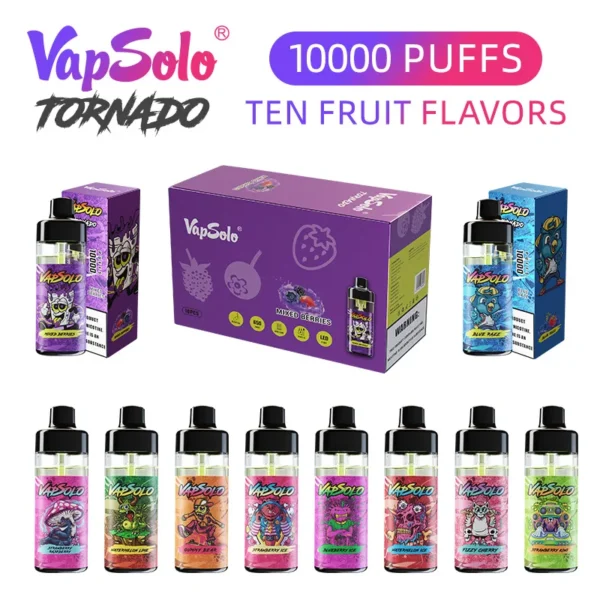
Figure 2: Advanced devices feature complex internal geometries that separate the power matrix from the solution reservoir.
Our laboratory analysis of a standard 10,000-puff disposable vape yields the following component breakdown:
- The Chassis (Outer Shell): Composed of anodized aluminum alloy or high-density Polycarbonate. These materials provide structural integrity but require industrial shredding and sorting for proper recycling.
- The Power Unit (Battery): A Grade-A 650mAh rechargeable Lithium-Polymer (Li-Po) cell. Our measurements indicate that even when the device registers as “empty” and ceases to produce aerosol, the cell often retains a residual charge of roughly 2.8V to 3.0V. This residual energy necessitates careful handling to prevent short circuits.
- The Atomizer Engine (Mesh Coil): Manufactured from Kanthal (FeCrAl alloy) or Nichrome, often surrounded by a capillary matrix (typically organic cotton or synthetic silica wicking) that holds the core vape formula.
- The Microprocessor & Sensor Array: A micro-PCB containing the draw-activation sensor (microphone style or pressure transducer), LED indicator arrays, and charging integrated circuits (e.g., Type-C port controllers).
4. Methodological Protocol: Safely Disposing of the Core Vape Formula
The residual core vape formula left in an expended device or bottle cannot simply be flushed. The active compounds and aromatic profiles are highly soluble and persistent. The following methodological approach ensures environmental safety:
- Volume Assessment: Determine if the solution reservoir is completely dry. In advanced mesh-coil devices, up to 1ml of the core formula may remain trapped within the capillary wicking material even after the device stops firing.
- Absorption Technique: If extracting residual solution from bottles or dismantled reservoirs, do not pour it out. Instead, utilize an inert, high-absorbency medium. Combine the leftover solution with unused organic cat litter, sawdust, or specialized chemical absorbent granules. This neutralizes the liquid state, preventing it from leaching if accidentally deposited in standard waste streams.
- Sealed Containment: Transfer the saturated absorbent material into a heavy-duty, leak-proof polyethylene bag. Seal the bag securely to contain any volatilizing aromatic profiles.
- Hazardous Waste Transfer: Deliver the sealed containment unit to a certified municipal hazardous waste facility. These facilities possess the thermal destruction capabilities or chemical neutralization protocols required to process the active stimulating compounds safely.
Knowledge Point: The Chemistry of Contamination
The base carriers, Propylene Glycol ($C_3H_8O_2$) and Vegetable Glycerin ($C_3H_8O_3$), are hygroscopic and miscible in water. While generally recognized as safe for specific consumer applications, massive influxes into municipal wastewater treatment plants from widespread improper disposal can disrupt the delicate bacterial balances utilized in the secondary treatment of sewage.
5. Protocols for Empty Device Capacities and Structural Plastics
The physical capacities—bottles and internal tanks—require targeted recycling efforts. Due to the aromatic profiles deeply embedded in the polymer matrices, standard curbside recycling often rejects these components unless rigorously cleaned.
For bottles and external plastic packaging:
First, identify the resin identification code (RIC) stamped on the bottom. Most high-quality capacities use PET (Type 1) or HDPE (Type 2), which boast high recyclability rates.
Second, execute a triple-rinse protocol using warm water to dissolve any residual PG/VG base.
Third, ensure the complete removal of external vinyl or paper labels, as the adhesives can contaminate the plastic flaking process at the recycling center.
For the internal reservoirs of disposable vapes: Because these are permanently bonded to the heating matrix and saturated with the core formula, they are generally classified as contaminated plastics. Unless you have access to a specialized WEEE dismantling service, the entire intact device must be processed as electronic waste rather than separated into plastic recycling streams.
6. Electro-Chemical Hazards: The Mandate for Battery Recycling
The beating heart of all disposable vapes is the lithium-based cell. The failure to properly extract and recycle these cells is the leading cause of fires in waste management vehicles and material recovery facilities (MRFs).
The energy density of these cells can be calculated to demonstrate the latent hazard. The total stored energy ($E$) in watt-hours is determined by the formula:
For a standard 3.7V nominal, 650mAh cell, the stored energy is roughly 2.4 Watt-hours. While seemingly small, a dead short across the terminals can discharge this energy in seconds, creating localized temperatures exceeding 600°C—more than enough to ignite surrounding plastic and absorbent wicking materials.
Disposal Steps for Power Units:
- Do not attempt to forcefully pry the device open if you lack insulated ceramic tools and safety gear. Puncturing the foil pouch of a Li-Po battery immediately induces thermal runaway.
- If the battery is safely removed, immediately insulate the positive and negative terminals using polyimide tape (Kapton tape) or standard electrical tape to prevent accidental shorting against other metals in the recycling bin.
- Transport the insulated cells to dedicated battery drop-off locations, commonly found in major electronic retail outlets, or specialized municipal electronic waste depots.
7. Industry Leadership: ELFVAPING’s Commitment to Sustainability
Pie ELFvēpings, we recognize that our position as the dominant wholesale force in the European market carries profound ecological responsibilities. Serving extensive B2B networks across the Nīderlande, Vācija, Beļģija, Francija, Portugālija, Spānija, Polija un Dānija, we actively promote sustainable procurement and disposal practices among our partners.
Our business model is engineered to support both large-scale distributors and smaller retail outlets, offering direct-from-wholesale pricing with a highly accessible Minimum Order Quantity (MOQ) of just 10 pieces. By centralizing distribution, we optimize supply chain logistics, drastically reducing the carbon footprint associated with fragmented shipping routes.
Call to Action for Wholesale Partners:
We invite forward-thinking retailers to source their inventory responsibly. Purchase wholesale disposable vapes on our platform (ELFvēpings) to ensure you are receiving authentic, rigorously tested, and fully compliant devices. Whether you are stocking BANG BOX, WASPE, RandM, or Elf Box, our extensive catalog represents the pinnacle of engineering and safety in the disposable vape sector. Partner with us today to secure industry-leading wholesale disposable vapes while championing proper environmental stewardship.
8. Analytical Data: Component Lifecycles and Disposal Metrics
Table 1: Physico-Chemical Breakdown of Vape Components
| Component Architecture | Primary Material Science | Environmental Hazard Class | Optimized Disposal Methodology |
|---|---|---|---|
| Core Vape Formula | PG/VG, Active Compounds, Aromatics | Aquatic Toxicity, Elevated BOD | Absorption medium neutralization -> Hazardous Waste |
| Power Unit (Battery) | Lithium Cobalt Oxide, Electrolytes | Thermal Runaway, Heavy Metal Leaching | Insulate terminals -> Certified WEEE/Battery facility |
| Device Casing & Reservoir | Polycarbonate, PCTG, Aluminum Alloy | Microplastic degradation, Persistence | Triple-rinse (if empty bottles) -> Plastics Recycling |
| Printed Circuit Board (PCB) | Fiberglass, Copper, Micro-silicon | Trace Metals, Persistent Organics | Intact device processing via WEEE directives |
Top Wholesale Brand Design Analysis
The recyclability of disposable vapes heavily depends on their initial engineering. Below is an analytical comparison of leading brands available for bulk procurement on our platform, assessing their design considerations regarding end-of-life processing.
9. Key Technical Inquiries (FAQ)
10. Final Directives for Environmental Responsibility
The technological evolution of the vaping industry has outpaced traditional waste management infrastructure. It is incumbent upon the entire supply chain—from the engineers designing the devices to the wholesale distributors, retailers, and end-users—to aggressively adopt scientifically sound disposal protocols. Disposing of vape capacities responsibly is not merely a suggestion; it is a fundamental requirement to protect biospheric integrity and comply with strict European legal frameworks.
We urge all businesses and consumers to implement the methodologies detailed in this technical guide. At ELFVAPING, we stand ready to support your operational needs with premium, compliant wholesale disposable vapes. By maintaining rigorous standards and promoting ecological awareness, together we can mitigate the environmental footprint of our industry while enjoying the continuous advancements in vape technology.

Nozares zināšanu punkts: Paradigmas maiņa tvaika piegādē
Nesenie tirgus dati norāda uz 22% pāreju uz ierīcēm, kas izmanto zem viena oma sieta spoles arhitektūru. Atšķirībā no tradicionālajām vadu konfigurācijām, mūsdienu sieta elementi nodrošina lielāku virsmas laukumu priekšpildītās formulas uzsildīšanai. Tas rezultējas ar pārāku siltuma sadalījumu, novēršot sausos sitienus, pagarinot akumulatora efektivitāti un nodrošinot konsekventu sensorās profila no pirmās vilkmes līdz rezervuāra iztukšošanai.
1. Tirgus dinamika un regulatīvā atbilstība Eiropā
Distributing disposable vapes within the European Union necessitates strict adherence to standardized manufacturing and safety protocols. Commercial viability is directly tied to regulatory compliance. Devices distributed through authorized channels must meet CE (Conformité Européenne) and RoHS (Restriction of Hazardous Substances) certifications. These certifications mandate that electronic components are free from restricted heavy metals and that the internal lithium-ion power cells meet rigorous thermal stability benchmarks.Furthermore, local directives dictate strict limits on internal reservoir capacities and mandate clear consumer warning labels. We ensure that our entire portfolio of disposable vapes aligns with these regional frameworks, mitigating legal and operational risks for our wholesale partners across Germany, Belgium, and the broader EU zone.2. Empīriskā pārbaude un kvalitātes nodrošināšanas metodoloģija
Lai nodrošinātu absolūtu uzticību un uzticamību produktiem, ko mēs piegādājam, ELFVAPING paļaujas uz stingru, uz datiem balstītu kvalitātes nodrošināšanas (QA) sistēmu. Mēs ne vienīgi neesam nododam ražotāju specifikācijas; mēs tās apstiprinām ar empīriskiem pārbaudes protokoliem.Pneimatiskā vilkšanas simulācija
Izmantojot automatizētus mehāniskus ieelpošanas simulatorus, mēs paraugu 2% no ienākošajām partijām, lai pārbaudītu reklamēto dūmu skaitu. Ierīces tiek pārbaudītas zem standarta atmosfēras spiediena, izvelkot 50 ml tvaika ik pēc 3 sekundēm, nodrošinot, ka iekšējā kapacitāte precīzi atbilst ražotāja prasībām.
Sprieguma saglabāšanas analīze
Mūsu aparatūrā integrētās litija-jonu kobaltu (LiCoO2) baterijas tiek pakļautas daudzpakāpju multimetru pārbaudei. Mēs mērām sprieguma kritumu nepārtrauktas darbības laikā, lai nodrošinātu, ka akumulators saglabā optimālu jaudu, līdz formulas rezervuārs ir pilnībā iztukšots.
Termiskā stabilitāte un noplūdes novēršana
Ierīces tiek pakļautas ātrai temperatūras svārstībām (-10°C līdz 45°C) kontrolētās vides kamerās, lai simulētu transportēšanas apstākļus. Tas pārbauda silikona blīvējumu integritāti, garantējot, ka pirms patērētāja iepakojuma atvēršanas nekurās vietās nenotiek šķidruma noplūde.
3. Elites Brands, kas nosaka Eiropas ainavu
Stratēģiskā iepirkuma veikšanai nepieciešama partnerība ar zīmoliem, kas lielus līdzekļus iegulda pētniecībā un attīstībā. Aparātu ainavu dominē ražotāji, kas prioritizē ergonomisku dizainu, progresīvus sildelementus un vienmērīgu aromātisko izvadi. Zemāk ir sniegta augstākās kvalitātes vienreizlietojamu vape zīmolu analītiskā sadalīšana, kas pieejami lielapjomai iepirkumam.Bang Box sērija
Augstas jaudas izvades modeļi
Izstrādāti ilgiem kalpošanas laikiem, Bang Box ierīces izmanto integrētas uzlādējamas Type-C saskarnes kopā ar 850mAh pamatšūnām. To patentētās sieta spoleņu sistēmas darbojas 1,0 omu pretestībā, radot blīvas tvaika mākoņus, vienlaikus saglabājot to dažādo aromātisko profilu integritāti. Šī līnija ir ļoti ieteicama patērētāju demogrāfiskajām grupām, kas meklē ilgmūžību.
R&M Tornado
Regulējama Gaisa Plūsmas Arhitektūra
RandM Tornado atšķiras ar pielāgojamām pneimatiskām vadībām. Rotējošais pamatvārsts ļauj lietotājiem fiziski ierobežot vai atvērt gaisa ieplūdi, pārvietojot ierīci vienmērīgi no Mouth-To-Lung (MTL) līdz Restricted Direct-Lung (RDL) ieelpai. To RGB LED aktivizēšanas indikatori kalpo arī kā diagnostikas rīki akumulatora veselībai.
Elfu kaste
Kompakta efektivitātes standarts
Nosakot nozares standartu formas faktoram, Elf Box izmanto vienlaidu polikarbonāta šasiju, kas maksimāli palielina iekšējo tilpumu formulas rezervuāram, vienlaikus saglabājot ļoti kabatas izmēru. Darbināts ar viedu aktivizēšanas mikroshēmu, tas nodrošina precīzu 3,6 V izvadi, garantējot, ka sensorā piegāde paliek nemainīga pat pie 10% akumulatora kapacitātes.
4. Tehnisko specifikāciju salīdzinājums
Inventāra pārvaldniekiem, kuri izvērtē dažādu vienreizlietojamu vape līniju tehniskās priekšrocības, šeit sniegtā matrica nosaka galvenos inženiertehniskos parametrus, kas nosaka ierīces veiktspēju un patērētāju apmierinātību.5. Lielapmēra iepirkumu ekonomika ar ELFVAPING
Piegādes ķēdes efektivitāte ir ienesīgas mazumtirdzniecības pamats. Centralizējot iepirkumu stratēģiju ar ELFVAPING, mazumtirgotāji atbloķē ievērojamas loģistikas un finanšu priekšrocības. Kā galvenā iestāde un lielākā tiešsaistes vairumtirdzniecības platforma vienreizlietojamām vape ierīcēm Nīderlandē, Vācijā, Beļģijā, Francijā, Portugālijā, Spānijā, Polijā un Dānijā, mēs esam optimizējuši importa un izplatīšanas ceļus.Optimizējiet savus mazumtirdzniecības krājumus jau šodien
Sadarbosieties ar vadošo Eiropas izplatītāju. Nodrošiniet augstākās kvalitātes aparatūru, gūstiet labumu no mūsu izņēmuma kvalitātes kontroles procesiem un izmantojiet ļoti konkurētspējīgas vairumtirdzniecības cenas.
Pirkt vairumā vienreizējās vape ierīces mūsu centralizētajā platformā vietnē ELFVAPING.
6. Ilgtspējības protokoli un vides atbildība
Liela apjoma elektronikas ierīču izplatīšanās nosaka stingras pieejas nepieciešamību vides pārvaldībai. Mūsdienu vienreizlietojamo vape zīmoli arvien vairāk projektē savas ierīces atbilstoši Eiropas Savienības Atkritumu elektrisko un elektronisko iekārtu (WEEE) direktīvai. ELFVAPING vienīgi atbalsta ražotājus, kuri īsteno ilgtspējīgas dizaina izvēles. Tas ietver pāreju uz bioloģiski noārdāmiem ārējiem polimēriem un modulārām iekšējām arhitektūrām, kas ļauj specializētām pārstrādes iekārtām viegli izņemt litija-jonu barošanas šūnas no vara un konstrukcijas plastmasām. Izglītot gala patērētājus par pareiziem utilizācijas kanāliem joprojām ir svarīga mazumtirgotāju atbildība visā ES.7. Ekspertu bieži uzdotie jautājumi: Vienreizējās lietošanas vape iegādes navigācija
QKāda ir minimālā pasūtījuma daudzuma (MOQ) vairumtirdzniecības konta aktivizēšanai?
ELFVAPING mēs esam strukturējuši savu iepirkumu modeli, lai atbalstītu visu規模 uzņēmumus. Mūsu minimālais pasūtījuma daudzums (MOQ) ir noteikts ļoti pieejamā līmenī - 10 vienības. Tas ļauj ātri dažādot krājumus un pārbaudīt lokalizēto tirgu.
QKurās reģionās jūsu loģistikas tīkls ir pilnībā atbalstīts?
Mēs darbojamies kā galvenā vairumtirdzniecības platforma, kas īpaši apkalpo Nīderlandi, Vāciju, Beļģiju, Franciju, Portugāliju, Spāniju, Poliju un Dāniju. Mūsu lokalizētie maksājumu vārti (piemēram, iDEAL Nīderlandei un Bancontact Beļģijai) veicina vienmērīgas transakcijas.
QKā jūs pārbaudāt piegādāto ierīču tehnisko uzticamību?
Mūsu robustā kvalitātes nodrošināšanas programma ietver paraugu ņemšanu partijās, izmantojot pneimatiskos simulatorus, multimetru diagnostiku akumulatora veselībai un termiskās stabilitātes pārbaudes. Tas nodrošina, ka katrs produkts darbojas precīzi atbilstoši tā reklamētajām inženiertehniskajām specifikācijām.
QVai ir pieejami mērogojami cenu modeļi lielākiem iegādes apjomiem?
Jā, lai gan mūsu minimālais pasūtījuma daudzums sākas no 10 vienībām, mūsu pakāpeniskā cenu noteikšanas algoritms automātiski piemēro ievērojamas atlaides, palielinoties pasūtījuma apjomam, nodrošinot lielajiem izplatītājiem maksimāli palielināt savu mazumtirdzniecības rezervi.
60 000 Puff Vapes
WASPE AIVIOU 60000 Puffs 3 Garšas vienā LED Ekrāns Lielapjoma Pirkums Atkārtoti Uzlādējami Vienreizlietojamie Vapes Vairumtirdzniecība
20 000 Puff Vapes
Bang Box 20000 Puffs Vape Atkārtoti Uzlādējams Lielapjoma Pirkums Vienreizlietojams Vape Vairumtirdzniecība
15 000 Puff Vapes
RandM Tornado 15000 Puffs Lielapjoma Pirkums Atkārtoti Uzlādējams Vienreizlietojams Vape Viela Noliktavā
40 000 Puff Vapes
WASPE AIVIOU 40000 Puffs Divkāršās Garšas LED Ekrāns Lielapjoma Pirkums Atkārtoti Uzlādējamas Vienreizējās Lietošanas Vapes Vairumtirdzniecība
100 000 Puff Vapes
BANG LĪDERIS STOLL 100K Četras Garšas 100000 Iztvaikošanas Kvadrātiskā Sižņu spole Vienreizējās lietošanas Vapes Viela Lielapjoma Pirkums
20 000 Puff Vapes
Gazzbar Rocket 20000 Puffs Divkāršs Tīkls LED Displejs Lielapjoma Pirkums Atkārtoti Uzlādējamas Vienreizējās Lietošanas Vapes Vairumtirdzniecība
100 000 Puff Vapes
WASPE Četras Garšas 100K Puffs Lielapjoma Pirkums Atkārtoti Uzlādējami Vienreizlietojamie Vapes Viela pārdošanai
30 000 Puff Vapes
Bang Box 30000 Puffs Divkāršie Profili Lielapjoma Pirkums Uzlādējamas Vienreizējās Izmantošanas Vapes Vairumtirdzniecība