






























Disposable Vapes
How to Properly Maintain Your Vape Battery
Important Safety Disclaimer
The information provided in this guide is for educational purposes only. Lithium-ion batteries are high-energy-density power sources that can be dangerous if handled, charged, stored, or used improperly. Mishandling can lead to fire, explosion, property damage, and serious personal injury. Always purchase batteries from reputable vendors and follow manufacturer specifications. The user assumes all risks associated with the use of lithium-ion batteries. If you are not comfortable with the principles and practices outlined here, please use devices with integrated, non-removable batteries or consult a professional.

1. Understanding Your Vape Battery: The Science Inside
To truly master battery safety, you must first understand what you’re working with. Most vape mods use 18650, 20700, or 21700 lithium-ion cells. These are not just simple “batteries”; they are complex chemical systems that store and release significant amounts of energy.
How Lithium-Ion Batteries Work
A lithium-ion battery generates electricity through the movement of lithium ions between a positive electrode (cathode) and a negative electrode (anode). During discharge (when you’re vaping), ions flow from the anode to the cathode, and during charging, they flow in the reverse direction. This process is delicate, and factors like temperature, voltage, and current can significantly impact its efficiency and safety. The entire assembly is sealed in a metal can, which is the negative terminal, with only the top cap serving as the positive terminal, separated by an insulating ring.
Common Vape Battery Chemistries: IMR, INR, and ICR
Not all lithium-ion batteries are created equal. The chemistry of the cathode material dramatically affects a battery’s performance and safety profile. For vaping, which is a “high-drain” application, selecting the right chemistry is paramount.
IMR (Lithium Manganese Oxide) – Recommended
Safety Profile: Excellent. IMR chemistry is very stable and has a lower risk of thermal runaway, making it the safest option for unregulated and high-wattage vaping.
Performance: High discharge rate (high Amps), lower internal resistance. This means it can deliver power quickly without overheating.
Capacity: Generally lower mAh (capacity) compared to other chemistries. You trade longevity for safety and power.
INR (Lithium Nickel Manganese Cobalt Oxide) – Recommended
Safety Profile: Very Good. This is a hybrid chemistry that adds Nickel to the IMR base, offering a good balance of safety and performance.
Performance: Good discharge rate and a higher capacity than IMR batteries. It’s a versatile choice for most modern regulated mods.
Capacity: A great middle-ground, providing more vaping time than IMRs without significantly compromising on safety.
ICR (Lithium Cobalt Oxide) – Not Recommended
Safety Profile: Poor. ICR chemistry is the most volatile and has a higher risk of fire or explosion if over-discharged, over-charged, or stressed. They should only be used with a dedicated protection circuit.
Performance: Low discharge rate. They cannot safely provide the high amperage that modern vaping devices demand.
Capacity: Very high capacity. This is why they are often used in laptops and power banks, but their low safety margin makes them unsuitable for vaping.
Decoding Battery Labels: Essential Metrics
- Capacity (mAh): Milliampere-hours measure how long a battery can last. A higher number means a longer run time between charges. However, authentic 18650 batteries currently max out around 3600mAh; any claims of 4000mAh or higher are fraudulent.
- Continuous Discharge Rating (CDR): Measured in Amperes (A), this is the most important safety metric. It’s the maximum current you can continuously draw from the battery without it overheating to dangerous levels. Always ensure your battery’s CDR is higher than the amperage your device will pull.
- Nominal Voltage: The standard operating voltage of the cell, typically 3.6V or 3.7V for lithium-ion batteries.
2. The Cornerstone of Safety: Sourcing and Authenticity
The global market is flooded with counterfeit and low-quality batteries. These are not just poor-performing fakes; they are genuine safety hazards. A recent study using industrial CT scanning found that nearly 8% of low-cost or counterfeit batteries could have dangerous manufacturing defects like negative anode overhang, which dramatically increases the risk of an internal short circuit and fire.
The Dangers of Counterfeit Batteries
- Lack of Safety Features: Authentic batteries from reputable manufacturers include internal safety mechanisms like a Positive Temperature Coefficient (PTC) device and a Current Interrupt Device (CID), which protect against short circuits and over-pressure events. Counterfeits often lack these critical components.
- Grossly Inflated Ratings: Counterfeiters print fake ratings on the wrap. A battery labeled “40A / 5000mAh” is a physical impossibility with current technology and is dangerously misleading.
- Poor Build Quality: Low-quality cells may use inferior materials, have poor internal alignment, and contain contaminants, all of which can lead to premature failure and thermal runaway.
Knowledge Point: How to Spot a Fake
- Unrealistic Specs: If a rating seems too good to be true, it is. Research the maximum proven ratings for a given battery size.
- Price: Authentic, high-quality cells are not cheap. A price significantly lower than the market average is a major red flag.
- Vendor Reputation: Only buy from dedicated, authorized battery distributors who can verify their supply chain. Avoid third-party marketplaces with unvetted sellers.
- Physical Inspection: Look for poor-quality wraps, misaligned seams, and inconsistent weight. Authentic cells have a sturdy build and feel substantial.
3. Essential Charging Protocols for Longevity and Safety
How you charge your batteries is just as important as the batteries themselves. Improper charging is a leading cause of battery failure.
Choosing the Right Charger
Always use a high-quality, dedicated external charger from a reputable brand. While many mods offer on-board USB charging, it’s not recommended for primary use with external cells for several reasons:
- Unbalanced Charging: In multi-battery mods, USB charging may not charge the cells evenly (“balance charging”), leading to stress and reduced lifespan.
- Overheating: Charging generates heat. Charging inside the confined space of a mod can trap heat, potentially damaging both the batteries and the device’s electronics.
- Port Durability: Micro-USB and USB-C ports on mods can be fragile and are prone to wear and tear. Using them for frequent charging increases the risk of damage.
The Golden Rules of Charging
- Never Leave Charging Unattended: This is the cardinal rule. Despite all safety features, failures can happen. Be present to react if a battery starts to overheat or swell.
- Charge on a Non-Flammable Surface: Avoid charging on beds, couches, or near curtains. Use a clear, stable surface away from combustible materials.
- Use the Correct Amperage: Do not fast-charge your batteries unless the manufacturer’s specifications explicitly allow it. A slower charge (0.5A – 1.0A) is gentler on the battery and promotes a longer lifespan.
- Don’t Over-Discharge: Do not run your batteries completely flat. Lithium-ion cells degrade significantly if their voltage drops below 2.5V-3.0V. Most regulated mods have a cut-off to prevent this, but it’s good practice to recharge when the indicator hits 20-30%.
- “Marry” Your Batteries: If your device uses multiple batteries, keep them as a dedicated set. Always charge, discharge, and use them together. This ensures they wear evenly, maintaining balanced performance and preventing one cell from being over-stressed. Label your sets to keep them organized.

4. Optimal Storage and Handling Practices
Proper storage is a critical, yet often overlooked, aspect of battery safety. A loose battery in a pocket or bag is a recipe for disaster.
The Science of Battery Storage
For long-term storage, battery health is best preserved under specific conditions. Storing a battery fully charged or fully depleted for extended periods can accelerate capacity loss.
| Parameter | Ideal Range | Rationale |
|---|---|---|
| Storage Voltage | 3.6V – 3.7V per cell | Corresponds to a 40-60% state of charge, which minimizes age-related capacity loss and keeps the internal protection circuits active. |
| Storage Temperature | 5°C to 25°C (41°F to 77°F) | Heat is the primary enemy of battery longevity. A cool, stable environment slows the chemical degradation process inside the cell. |
| Storage Environment | Cool, dry, and away from metal objects | Prevents corrosion and accidental short circuits. Always use dedicated, non-conductive battery cases for transport and storage. |
Safe Transportation: Following IATA and FAA Guidelines
When traveling by air, you must adhere to strict regulations. The International Air Transport Association (IATA) sets these rules to prevent in-flight fires.
- Carry-On Only: Spare (uninstalled) lithium-ion batteries are strictly forbidden in checked luggage. They must be in your carry-on bag so that a fire can be dealt with immediately.
- Protect Terminals: Batteries must be individually protected to prevent short circuits. This means keeping them in their original retail packaging, in a dedicated battery case, or by taping over the terminals.
- Device Protection: Devices with batteries installed (like your vape mod or a disposable vape) should be packed to prevent accidental activation.
- Quantity Limits: Passengers are typically limited to 15 portable electronic devices and 20 spare batteries.

5. Routine Inspection and Maintenance
Physical inspection is your first line of defense against battery failure. A damaged battery is an unsafe battery, and it should be replaced immediately.
Identifying Signs of a Failing Battery
Routinely inspect your batteries for any of the following warning signs. If you notice any, stop using the battery immediately and prepare it for recycling.
- Physical Damage: Dents, deep scratches, or punctures in the metal can. A dent can compromise the internal structure and lead to a short.
- Swelling or Bulging: A swollen or puffy battery is a clear sign of internal gas buildup and imminent failure. It should be handled with extreme care.
- Overheating: If a battery becomes excessively hot during charging or normal use, it is a sign of a high internal resistance or an internal short.
- Reduced Performance: A significant drop in capacity (doesn’t last as long) or an inability to hold a charge are signs that the battery is reaching the end of its life. Most cells are rated for 300-500 charge cycles before significant degradation.
- Unusual Odors or Leaks: A sweet, metallic, or chemical smell indicates the cell is venting or leaking electrolytes.
How to Inspect and Re-Wrap a Battery: A Step-by-Step Guide
The thin PVC wrap on a battery is a critical safety feature. It insulates the negative metal can from the positive terminal. A tear or nick in this wrap can cause a dangerous short circuit if it makes contact with metal inside your device or pocket. Re-wrapping is a simple, inexpensive skill that every vaper using external batteries should learn.
Tools You’ll Need:
- New battery wraps (pre-cut or on a roll)
- A heat gun or a powerful hairdryer
- Ceramic tweezers or a small, non-conductive tool
- Scissors (if using a roll of wraps)
- The battery’s original top insulator ring (a small paper or plastic washer)
Step 1: Carefully Remove the Old Wrap
Using your fingernail or a non-conductive tool, carefully peel the old wrap off, starting from the negative (bottom) end of the battery. DO NOT use a metal tool, as you could puncture the can and cause a short. Preserve the small insulator ring from the positive terminal; you will reuse it.
Step 2: Inspect the Bare Cell
With the wrap removed, thoroughly inspect the bare metal can for any dents, rust, or damage. If you find any significant damage, the battery is no longer safe to use and must be recycled.
Step 3: Apply the New Wrap and Insulator
Place the insulator ring back onto the positive terminal. Slide the new, pre-cut wrap over the battery, ensuring there is a small, even overhang on both the top and bottom (about 2-3mm).
Step 4: Apply Heat to Shrink the Wrap
Using a hairdryer or heat gun on a low setting, apply heat evenly around the battery. Start with the top to secure the insulator ring, then move to the bottom, and finally shrink the main body. Keep the heat source moving and rotate the battery to avoid overheating any single spot. The wrap should shrink tightly and smoothly around the cell. Allow it to cool completely before use.
6. Safe Disposal and Recycling: A Critical Responsibility
Lithium-ion batteries should NEVER be thrown in household trash or recycling bins. Doing so poses a significant fire risk at waste management facilities when the batteries are inevitably crushed or punctured.
Why You Can’t Just Throw Them Away
Beyond the fire hazard, these batteries contain heavy metals and other materials that can contaminate soil and groundwater if sent to a landfill. Responsible recycling allows for the recovery of valuable materials like cobalt, lithium, and nickel, conserving natural resources.
How to Find a Certified Recycling Center
- Retail Drop-Off Programs: Many electronics stores and home improvement centers (like Best Buy, Home Depot, Staples, and Lowe’s) have free battery recycling drop-off bins.
- Local Hazardous Waste Facilities: Your local municipality or county will have a household hazardous waste (HHW) collection facility that accepts batteries.
- Online Resources: Websites like Call2Recycle and Earth911 provide searchable databases to find the nearest recycling location to you.
Preparation for Recycling: Before dropping off a battery, place non-conductive tape (like electrical tape) over the positive and negative terminals to prevent any chance of a short circuit during transport.
7. Safety in Disposable Vapes: The ELFVAPING Advantage
For many users, the complexity of external battery management is a significant drawback. This is where the innovation of high-quality disposable vapes provides a superior and safer user experience. Devices from reputable manufacturers have integrated batteries and circuitry designed to work in perfect harmony, eliminating the risks associated with user error in handling external cells.
Why Choose Wholesale Disposable Vapes from a Trusted Source?
As the largest online wholesale platform for disposable vapes in the Netherlands, Germany, Belgium, France, Portugal, Spain, Poland, and Denmark, ELFVAPING.COM is committed to providing products that prioritize safety and quality. When you source your disposable vape wholesale inventory from us, you are ensuring your customers receive devices that have:
- Certified Integrated Batteries: The internal batteries are compliant with international safety standards like IEC 62133, which covers tests for overcharging, short-circuiting, and thermal stress.
- Built-in Protection Circuits: Modern disposable devices include sophisticated chipsets that provide over-charge protection, over-discharge protection, and short-circuit protection, automatically managing the battery for optimal safety.
- Elimination of User Error: With no need to handle, charge, or wrap external cells, the most common points of failure are removed from the equation. This makes them an ideal choice for both new and experienced vapers seeking convenience and peace of mind.
Explore our extensive catalog at ELFVAPING.COM for the best deals on premium disposable vape brands, and provide your customers with a safe, reliable, and enjoyable vaping experience.
8. Advanced Troubleshooting and FAQ
This section addresses common and more technical questions regarding vape battery safety and performance.
Q1: My batteries are getting hot in my mod. What should I do?
A: Stop using the device immediately. Carefully remove the batteries and place them in a safe, isolated location away from flammable materials to cool down. Heat is a primary indicator of a problem. This could be caused by several issues: exceeding the battery’s CDR (vaping at too high a wattage), a short in your atomizer, or an internal fault in the battery itself. After they have cooled, inspect them for any physical damage. If the cause isn’t clear or if they overheat again under normal use, recycle them.
Q2: Can I use a battery with a small tear in the wrap “just for a little while”?
A: Absolutely not. A damaged wrap exposes the negative terminal (the entire metal can). If this exposed metal touches a positive contact point, it will create a hard short, leading to rapid overheating and potential thermal runaway. The risk is catastrophic and not worth taking. Re-wrapping a battery costs pennies and takes minutes.
Q3: What does the “UN 38.3” standard mean for batteries?
A: UN/DOT 38.3 is a certification that is required for the transportation of all lithium batteries. To be certified, batteries must pass a rigorous series of tests designed to simulate transport conditions, including altitude, thermal cycling, vibration, shock, external short circuit, impact, and overcharge tests. Reputable battery manufacturers ensure their products are UN 38.3 certified, which is a strong indicator of their quality and robustness.
Q4: Why does my external charger show slightly different voltages for my “married” pair of batteries?
A: A very small variance (e.g., 4.18V and 4.20V) is generally acceptable and can be due to minor differences in the cells or the charger’s bays. However, a significant and consistent difference (e.g., 3.8V and 4.2V after a full charge) indicates the cells have become unbalanced. This means one cell is weaker and is being stressed more than the other. At this point, the “marriage” is over, and the pair should be replaced to ensure safe operation.
Q5: Is it safe to use a rapid charger at 2A or 3A for my vape batteries?
A: Only if the battery manufacturer’s official datasheet specifies that it can handle that charge rate. Most 18650 batteries are best charged at 1A or less. Charging at a higher amperage than recommended generates more internal heat, which accelerates the degradation of the battery’s chemistry and shortens its overall lifespan. For longevity and safety, a slower charge is almost always better.
Industry Knowledge Point: The Paradigm Shift in Vapor Delivery
Recent market data indicates a 22% shift toward devices utilizing sub-ohm mesh coil architecture. Unlike traditional wire configurations, modern mesh elements provide a larger surface area for heating the pre-filled formula. This results in superior thermal distribution, preventing dry hits, extending battery efficiency, and ensuring a consistent sensory profile from the first draw to the depletion of the reservoir.
1. Market Dynamics and Regulatory Compliance in Europe
Distributing disposable vapes within the European Union necessitates strict adherence to standardized manufacturing and safety protocols. Commercial viability is directly tied to regulatory compliance. Devices distributed through authorized channels must meet CE (Conformité Européenne) and RoHS (Restriction of Hazardous Substances) certifications. These certifications mandate that electronic components are free from restricted heavy metals and that the internal lithium-ion power cells meet rigorous thermal stability benchmarks. Furthermore, local directives dictate strict limits on internal reservoir capacities and mandate clear consumer warning labels. We ensure that our entire portfolio of disposable vapes aligns with these regional frameworks, mitigating legal and operational risks for our wholesale partners across Germany, Belgium, and the broader EU zone.2. Empirical Testing and Quality Assurance Methodology
To establish absolute trust and reliability in the products we supply, ELFVAPING relies on a rigorous, data-driven Quality Assurance (QA) framework. We do not simply pass on manufacturer specifications; we validate them through empirical testing protocols.Pneumatic Draw Simulation
Using automated mechanical inhalation simulators, we sample 2% of incoming batches to verify the advertised puff counts. Devices are tested under standard atmospheric pressure, drawing 50ml of vapor per 3-second interval, ensuring the internal capacity aligns accurately with the manufacturer's claims.
Voltage Retention Analysis
The lithium-ion cobalt (LiCoO2) batteries integrated into our hardware undergo multi-stage multimeter testing. We measure voltage drop-off during continuous operation to ensure the battery sustains optimal wattage until the formula reservoir is entirely depleted.
Thermal Stability & Leak Prevention
Devices are subjected to rapid temperature fluctuations (-10°C to 45°C) in controlled environmental chambers to simulate transit conditions. This validates the integrity of the silicone seals, guaranteeing that no seepage occurs prior to consumer unboxing.
3. Elite Brands Defining the European Landscape
Strategic procurement requires partnering with brands that invest heavily in Research and Development. The hardware landscape is dominated by manufacturers prioritizing ergonomic design, advanced heating elements, and consistent aromatic output. Below is an analytical breakdown of top-tier disposable vape brands available for bulk procurement.Bang Box Series
High-Capacity Output Models
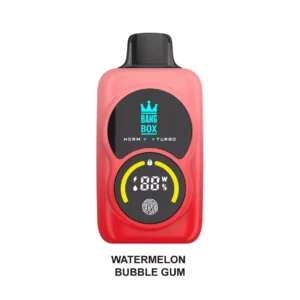
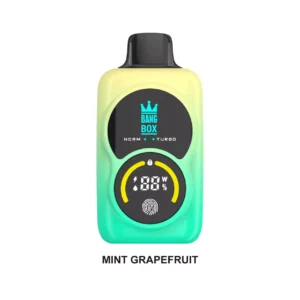
Engineered for extended lifespans, Bang Box devices utilize integrated rechargeable Type-C interfaces alongside 850mAh base cells. Their proprietary mesh coil systems operate at 1.0 ohms, generating dense vapor clouds while preserving the integrity of their diverse aromatic profiles. This line is highly recommended for consumer demographics seeking longevity.
RandM Tornado
Adjustable Airflow Architecture
RandM Tornado differentiates itself through customizable pneumatic controls. The rotating base valve allows users to physically restrict or open the air intake, transitioning the device seamlessly from a Mouth-To-Lung (MTL) to a Restricted Direct-Lung (RDL) draw. Their RGB LED actuation indicators also serve as diagnostic tools for battery health.
Elf Box
Compact Efficiency Standard
Setting the industry standard for form factor, the Elf Box utilizes a unibody polycarbonate chassis that maximizes internal volume for the formula reservoir while maintaining a highly pocketable footprint. Powered by an intelligent firing chipset, it delivers a precise 3.6V output, ensuring the sensory delivery remains unchanged even at 10% battery capacity.
4. Technical Specifications Comparison
For inventory managers evaluating the technical merits of different disposable vape lines, the following matrix outlines the core engineering parameters that dictate device performance and consumer satisfaction.5. The Economics of Bulk Sourcing with ELFVAPING
Supply chain efficiency is the bedrock of profitable retail. By centralizing your procurement strategy through ELFVAPING, retailers unlock significant logistical and financial advantages. As the foremost authority and largest online wholesale platform for disposable vapes in the Netherlands, Germany, Belgium, France, Portugal, Spain, Poland, and Denmark, we have optimized the importation and distribution pathways.Optimize Your Retail Inventory Today
Partner with the leading European distributor. Secure top-tier hardware, benefit from our exceptional QA processes, and capitalize on highly competitive wholesale rates.
Purchase wholesale disposable vapes on our centralized platform at ELFVAPING.
6. Sustainability Protocols and Environmental Responsibility
The proliferation of high-volume electronics necessitates a strict approach to environmental stewardship. Modern disposable vape brands are increasingly designing their hardware to align with the European Union's Waste Electrical and Electronic Equipment (WEEE) Directive. ELFVAPING exclusively champions manufacturers implementing sustainable design choices. This includes the transition toward biodegradable exterior polymers and modular internal architectures that allow specialized recycling facilities to easily extract the lithium-ion power cells from the copper and structural plastics. Educating the end-consumer on proper disposal channels remains a critical responsibility for retailers across the EU.7. Expert FAQs: Navigating Disposable Vape Procurement
QWhat is the Minimum Order Quantity (MOQ) for activating a wholesale account?
At ELFVAPING, we have structured our procurement model to support businesses of all scales. Our MOQ is set at an exceptionally accessible 10 pieces. This allows for rapid inventory diversification and localized market testing.
QWhich regions are fully supported by your logistical network?
We operate as the premier wholesale platform specifically catering to the Netherlands, Germany, Belgium, France, Portugal, Spain, Poland, and Denmark. Our localized payment gateways (such as iDEAL for the Netherlands and Bancontact for Belgium) facilitate frictionless transactions.
QHow do you verify the technical reliability of the devices supplied?
Our robust Quality Assurance program involves batch sampling using pneumatic draw simulators, multimeter diagnostics for battery health, and thermal stability checks. This ensures every product performs precisely to its advertised engineering specifications.
QAre there scalable pricing models for higher volume acquisitions?
Yes, while our MOQ begins at 10 units, our tiered pricing algorithm automatically applies significant discounts as your order volume increases, ensuring high-capacity distributors maximize their retail margins.
40000 Puff Vapes
WASPE AIVIOU 40000 Puffs Double Tastes LED Screen Bulk Buy Rechargeable Disposable Vapes Wholesale
20000 Puff Vapes
Bang Box 20000 Puffs Vape Rechargeable Bulk Buy Disposable Vape Wholesale
60000 Puff Vapes
WASPE AIVIOU 60000 Puffs 3 Tastes in 1 LED Screen Bulk Buy Rechargeable Disposable Vapes Wholesale
15000 Puff Vapes
RandM Tornado 15000 Puffs Bulk Buy Rechargeable Disposable Vape Wholesale
100000 Puff Vapes
BANG LEADER STOLL 100K Four Tastes 100000 Puffs Quad Mesh Coil Disposable Vapes Wholesale Bulk Buy
100000 Puff Vapes
WASPE Four Tastes 100K Puffs Bulk Buy Rechargeable Disposable Vapes Wholesale
18000 Puff Vapes
JNR Falcon X 18000 Puffs Dual Mesh Digital Display Bulk Buy Rechargeable Disposable Vapes Wholesale
20000 Puff Vapes
Gazzbar Rocket 20000 Puffs Dual Mesh LED Display Bulk Buy Rechargeable Disposable Vapes Wholesale