
































Disposable Vapes
The Ultimate Guide to Glass Vape Tanks: A Scientific and User-Focused Analysis
Last Updated on October 26, 2025 by Jack Tai
Important Health & Safety Disclaimer
This article discusses vaping hardware for informational purposes. Vaping is not without risks and is intended for adult smokers seeking an alternative to combustible cigarettes. Most vaping products feature strength, which is a highly addictive substance. The long-term health effects of vaping are still under scientific investigation. We encourage readers to consult resources from public health organizations like the CDC and WHO for comprehensive information on the potential risks associated with vaping. This content should not be interpreted as medical advice.
In the pursuit of the ultimate vaping experience, every component of your device matters. From the battery’s power to the coil’s resistance, each element plays a critical role. Yet, few components influence the daily experience of taste, maintenance, and perceived safety as much as the vape tank. The material encasing your Vape capacity is not just a container; it’s an active participant in your vape’s performance. Among the various options—plastic, metal, ceramic—glass has long been revered as a premium choice. But why?
This comprehensive guide moves beyond marketing claims to provide a detailed, evidence-based exploration of glass vape tanks. We will delve into the materials science, compare glass to its alternatives with factual accuracy, and offer practical insights for both new and experienced vapers. Furthermore, we will address how these material choices impact the wholesale market, particularly for businesses seeking high-quality disposable vapes from a trusted European supplier like ELFVAPING.
Section 1: The Science of Vape Tank Materials
Why Your Vape Tank’s Material is Crucial
A vape tank, or atomizer, is the heart of a vaporizer, responsible for holding the capacity and housing the heating coil. The material of this reservoir is in constant contact with the Vape capacity, which is a complex mixture of propylene glycol (PG), vegetable glycerin (VG), the core vape formula, and various tasteing compounds. It is also subjected to continuous heating and cooling cycles. These conditions demand a material that is stable, non-reactive, and durable. The wrong material can lead to poor taste, degradation of the tank itself, and potential safety concerns.
An Introduction to Common Materials
- Plastic (Polycarbonate, PMMA, PCTG): Historically, plastics like polycarbonate (PC) and acrylic (PMMA) were common due to their low cost and impact resistance. However, they have known issues with certain Vape capacitys. Modern devices often use higher-grade, more chemically resistant plastics like PCTG.
- Glass (Borosilicate): The focus of our article, typically a type of glass known as borosilicate glass, is prized for its thermal resistance and chemical inertness.
- Metal (Stainless Steel): Often used for the structural components of a tank, food-grade stainless steel is sometimes used for the entire reservoir, offering maximum durability but sacrificing visibility.

Section 2: The Superior Properties of Glass Vape Tanks—A Deep Dive
When we talk about “glass” in high-quality vape tanks, we are almost always referring to Borosilicate Glass. This is not the same as the standard “soda-lime” glass used in window panes or simple drinking glasses. Borosilicate glass is a specialized material engineered for performance under stress, created by adding boric oxide to the silica sand, soda ash, and alumina during manufacturing. This composition gives it properties that make it exceptionally well-suited for vaping.
Myth-Busting: Is Pyrex® “Shatterproof”?
A common misconception, perpetuated in the original article, is that Pyrex is “shatterproof.” This is inaccurate and misleading. Pyrex is a brand name, and the material it’s made from has changed over time in some regions. Originally, and still in Europe, Pyrex cookware is made from borosilicate glass. In the United States, most modern Pyrex kitchenware is made from tempered soda-lime glass, which is more resistant to physical impact but less resistant to thermal shock.
In the context of vaping, tanks are almost always made of borosilicate glass. Its key feature is not being “shatterproof”—it absolutely can and will break if dropped—but its exceptional resistance to thermal shock. This means it can withstand rapid temperature changes without cracking, a crucial attribute for a component that is heated and cooled hundreds of times a day. It is strong, but it is not indestructible.
Unrivaled Tastes Purity Through Chemical Inertness
The single greatest advantage of glass is its purity of taste. Glass is chemically inert, meaning it is non-reactive and non-porous. It does not interact with the Vape capacity it holds, ensuring that the taste you taste is exactly what the Vape capacity manufacturer intended, with no added plastic or metallic undertones. This is particularly important for connoisseurs who use complex, nuanced Vape capacitys.
Unlike glass, certain plastics can pose problems. Polycarbonate tanks are notoriously susceptible to cracking or fogging when used with acidic or aggressive tasteings. Common culprits include:
- Citrus Tastes (Limonene)
- Cinnamon Tastes (Cinnamaldehyde)
- Anise or Licorice
- Cola and other “sour” tastes
- Certain Menthol and Banana tasteings
This “tank cracking” phenomenon occurs because the acidic compounds in the Vape capacity bind with the polycarbonate molecules, weakening the plastic’s structural integrity. While modern plastics like PCTG are far more chemically resistant, borosilicate glass remains the gold standard for absolute neutrality.
Health & Safety: The Benefit of a Stable Material
The chemical inertness of glass is also a significant factor from a health and safety perspective. Because it doesn’t react with Vape capacitys, there is a greatly reduced concern of chemicals leaching from the tank material into the capacity and subsequently being inhaled. The U.S. Food and Drug Administration (FDA) has designated glass as “Generally Recognized As Safe” (GRAS) for food and beverage storage, highlighting its stability. While vaping aerosol is different from food, the principle of using a non-reactive material remains a sound one. Older plastics like polycarbonate can contain Bisphenol A (BPA), a chemical that has raised health concerns. Glass contains no such additives.

Section 3: The Everyday User Experience with Glass Tanks
Effortless Cleaning and Maintenance
Glass tanks are exceptionally easy to clean. Their non-porous surface resists staining and the lingering of old tastes, often called “taste ghosting.” When you switch Vape capacitys, a simple rinse is often enough to prepare the tank for a new taste. For a deeper clean, glass can be safely washed with soap and water or even soaked in isopropyl alcohol to remove stubborn residue without any risk of damaging the material.
Quick Cleaning Guide for Glass Tanks
- Disassemble: Carefully take apart your tank, removing the base, coil, and drip tip. Set aside any o-rings.
- Quick Rinse: For a simple taste change, rinse the glass section and other components (except the coil) under warm running water.
- Deep Clean: For a more thorough cleaning, soak the glass and metal parts in a bowl of warm water with a few drops of mild dish soap, or for tougher residue, in isopropyl alcohol for about 30 minutes.
- Rinse Again: Thoroughly rinse all components with warm water to remove any soap or alcohol.
- Dry Completely: Use a paper towel or microfiber cloth to dry everything. Let the parts air-dry for at least 15-20 minutes to ensure no moisture remains before reassembly.
Visual Clarity: Preventing Dry Hits and Coil Damage
The transparency of glass provides an unobstructed view of your Vape capacity level. This simple feature is critically important for preventing “dry hits”—what happens when you fire the device without enough liquid saturating the coil’s wick. A dry hit not only tastes terrible but can also burn and ruin your coil instantly, requiring a replacement. With a glass tank, a quick glance is all it takes to know when it’s time to refill, making your vaping experience smoother and more cost-effective.
Section 4: Head-to-Head: A Detailed Comparison of Tank Materials
To provide a clear picture, let’s compare Borosilicate Glass against its main competitors in a detailed table.
| Feature | Borosilicate Glass | PCTG Plastic | Polycarbonate (PC) Plastic | Stainless Steel |
|---|---|---|---|---|
| Tastes Purity | Excellent (Completely inert) | Very Good (Highly resistant, but still a polymer) | Poor to Fair (Can be reactive to many Vape capacitys) | Good to Very Good (Largely inert, but some report a slight metallic taste) |
| Chemical Resistance | Excellent (Impervious to all Vape capacitys) | Very Good (Designed to resist “tank cracker” Capacitys) | Poor (Known to crack with citrus, cinnamon, etc.) | Excellent (Food-grade steel is highly resistant) |
| Thermal Resistance | Excellent (Resists thermal shock) | Good (Can withstand vaping temperatures) | Fair (Can deform or warp under extreme heat) | Excellent (Very high melting point) |
| Impact Resistance | Fair (Can shatter if dropped) | Excellent (Very tough and shatter-resistant) | Good (More durable than glass) | Excellent (Will dent, not shatter) |
| Vape capacity Visibility | Excellent (Perfectly clear) | Excellent (Very clear) | Good (Can fog or haze over time) | None (Opaque) |
| Cost | Moderate | Low to Moderate | Low | High |

Section 5: Glass Tanks in the Modern Vaping Market
The benefits of glass make it a versatile choice suitable for nearly every type of vaper.
- For Beginners: The ease of cleaning and the clear visibility of Vape capacity levels simplify the learning process and help prevent common mistakes like burning coils. While care must be taken to avoid dropping the device, the overall user-friendliness is a major plus.
- For Advanced Vapers: Those who build their own coils and mix their own Vape capacitys demand the highest fidelity in taste reproduction. Glass is the only material that guarantees no interference with complex taste profiles, making it the default choice for enthusiasts.
The Rise of Quality in Disposable Vapes
The disposable vape market is evolving rapidly. Early disposables were often simple, low-performance devices. Today, consumers demand a more premium experience, even from a single-use product. This has led to the adoption of better materials. While most disposables use high-quality PCTG plastic for its durability and cost-effectiveness, the principles of material quality remain. Brands that focus on providing a superior, cleaner taste experience are investing in the best possible components. A device that uses a high-grade, chemically resistant reservoir will deliver a more satisfying experience, leading to better customer retention.
Section 6: For Businesses: The Wholesale Advantage with ELFVAPING
For retailers and distributors in the vaping industry, product quality is paramount. Offering devices that provide a superior user experience is the key to building a loyal customer base. Stocking disposable vapes that utilize high-quality materials—whether borosilicate glass in high-end mods or chemically resistant PCTG in disposables—demonstrates a commitment to quality and safety.
Partner with ELFVAPING for Your Wholesale Needs
At ELFVAPING, we understand the importance of quality. As the largest online wholesale platform for disposable vapes in Europe, we provide businesses with access to a vast selection of top-tier products. We are the leading supplier for markets in the Netherlands, Germany, Belgium, France, Portugal, Spain, Poland, and Denmark.
By choosing us for your wholesale disposable vapes, you are partnering with a distributor that prioritizes performance, safety, and customer satisfaction. We offer competitive pricing, a reliable supply chain, and a curated selection of the best devices on the market. Elevate your inventory and meet the demands of discerning customers by sourcing your products through ELFVAPING.
Section 7: In-Depth FAQ and Conclusion
What is the real difference between ‘Glass’ and ‘Pyrex’ in a vape tank?
In the context of vaping, these terms are often used interchangeably. Both refer to borosilicate glass, which is prized for its high resistance to thermal shock and chemical inertness. Pyrex is a brand name, not a separate material type in this application.
Can the heat from vaping crack a glass tank?
It is extremely unlikely. Borosilicate glass is engineered to withstand temperature changes far more extreme than those produced during vaping. Cracks in glass tanks are almost always the result of physical impact, such as dropping the device.
What are the main downsides of a glass vape tank?
The primary disadvantage is its fragility. Unlike plastic or metal, glass can shatter from a single drop. Many manufacturers offer silicone “vape bands” that fit around the tank to provide a small degree of protection against minor bumps.
If my glass tank breaks, is it expensive to replace?
Generally, no. For most popular models of rebuildable tanks and sub-ohm tanks, replacement glass sections are widely available and very affordable. It is often much cheaper than replacing the entire tank.
Is PCTG plastic a safe alternative to glass?
PCTG is considered a high-grade, food-safe plastic that is free of BPA and has excellent chemical resistance, making it a very popular and reliable material for vape pods and tanks. It offers superior durability and impact resistance compared to glass, while providing very good taste. For many users, especially in disposable devices, it represents an ideal balance of safety, performance, and toughness.
Conclusion: An Informed Choice for a Superior Experience
Choosing a vape tank material is not a minor decision. It directly impacts taste, maintenance, and peace of mind. While alternatives have their place, borosilicate glass offers an unparalleled combination of taste purity, chemical stability, thermal resistance, and ease of cleaning. Its only significant drawback—fragility—is one that many vapers find to be a worthwhile trade-off for the superior experience it provides.
Whether you are a consumer seeking the best possible performance or a business aiming to provide high-quality products, understanding the science behind the materials is key. For a curated selection of the finest wholesale disposable vapes that prioritize quality materials and user satisfaction, explore the extensive catalog at ELFVAPING.
Industry Knowledge Point: The Paradigm Shift in Vapor Delivery
Recent market data indicates a 22% shift toward devices utilizing sub-ohm mesh coil architecture. Unlike traditional wire configurations, modern mesh elements provide a larger surface area for heating the pre-filled formula. This results in superior thermal distribution, preventing dry hits, extending battery efficiency, and ensuring a consistent sensory profile from the first draw to the depletion of the reservoir.
1. Market Dynamics and Regulatory Compliance in Europe
Distributing disposable vapes within the European Union necessitates strict adherence to standardized manufacturing and safety protocols. Commercial viability is directly tied to regulatory compliance. Devices distributed through authorized channels must meet CE (Conformité Européenne) and RoHS (Restriction of Hazardous Substances) certifications. These certifications mandate that electronic components are free from restricted heavy metals and that the internal lithium-ion power cells meet rigorous thermal stability benchmarks.Furthermore, local directives dictate strict limits on internal reservoir capacities and mandate clear consumer warning labels. We ensure that our entire portfolio of disposable vapes aligns with these regional frameworks, mitigating legal and operational risks for our wholesale partners across Germany, Belgium, and the broader EU zone.2. Empirical Testing and Quality Assurance Methodology
To establish absolute trust and reliability in the products we supply, ELFVAPING relies on a rigorous, data-driven Quality Assurance (QA) framework. We do not simply pass on manufacturer specifications; we validate them through empirical testing protocols.Pneumatic Draw Simulation
Using automated mechanical inhalation simulators, we sample 2% of incoming batches to verify the advertised puff counts. Devices are tested under standard atmospheric pressure, drawing 50ml of vapor per 3-second interval, ensuring the internal capacity aligns accurately with the manufacturer's claims.
Voltage Retention Analysis
The lithium-ion cobalt (LiCoO2) batteries integrated into our hardware undergo multi-stage multimeter testing. We measure voltage drop-off during continuous operation to ensure the battery sustains optimal wattage until the formula reservoir is entirely depleted.
Thermal Stability & Leak Prevention
Devices are subjected to rapid temperature fluctuations (-10°C to 45°C) in controlled environmental chambers to simulate transit conditions. This validates the integrity of the silicone seals, guaranteeing that no seepage occurs prior to consumer unboxing.
3. Elite Brands Defining the European Landscape
Strategic procurement requires partnering with brands that invest heavily in Research and Development. The hardware landscape is dominated by manufacturers prioritizing ergonomic design, advanced heating elements, and consistent aromatic output. Below is an analytical breakdown of top-tier disposable vape brands available for bulk procurement.Bang Box Series
High-Capacity Output Models
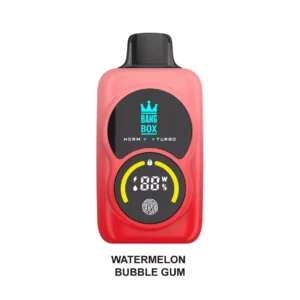
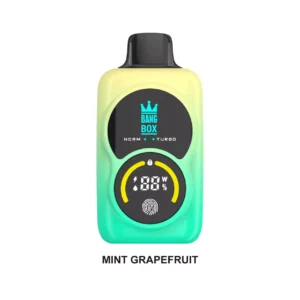
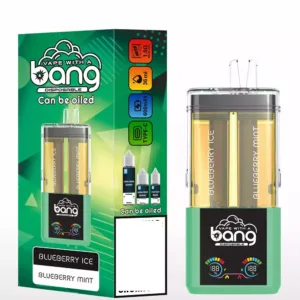
Engineered for extended lifespans, Bang Box devices utilize integrated rechargeable Type-C interfaces alongside 850mAh base cells. Their proprietary mesh coil systems operate at 1.0 ohms, generating dense vapor clouds while preserving the integrity of their diverse aromatic profiles. This line is highly recommended for consumer demographics seeking longevity.
RandM Tornado
Adjustable Airflow Architecture
RandM Tornado differentiates itself through customizable pneumatic controls. The rotating base valve allows users to physically restrict or open the air intake, transitioning the device seamlessly from a Mouth-To-Lung (MTL) to a Restricted Direct-Lung (RDL) draw. Their RGB LED actuation indicators also serve as diagnostic tools for battery health.
Elf Box
Compact Efficiency Standard
Setting the industry standard for form factor, the Elf Box utilizes a unibody polycarbonate chassis that maximizes internal volume for the formula reservoir while maintaining a highly pocketable footprint. Powered by an intelligent firing chipset, it delivers a precise 3.6V output, ensuring the sensory delivery remains unchanged even at 10% battery capacity.
4. Technical Specifications Comparison
For inventory managers evaluating the technical merits of different disposable vape lines, the following matrix outlines the core engineering parameters that dictate device performance and consumer satisfaction.5. The Economics of Bulk Sourcing with ELFVAPING
Supply chain efficiency is the bedrock of profitable retail. By centralizing your procurement strategy through ELFVAPING, retailers unlock significant logistical and financial advantages. As the foremost authority and largest online wholesale platform for disposable vapes in the Netherlands, Germany, Belgium, France, Portugal, Spain, Poland, and Denmark, we have optimized the importation and distribution pathways.Optimize Your Retail Inventory Today
Partner with the leading European distributor. Secure top-tier hardware, benefit from our exceptional QA processes, and capitalize on highly competitive wholesale rates.
Purchase wholesale disposable vapes on our centralized platform at ELFVAPING.
6. Sustainability Protocols and Environmental Responsibility
The proliferation of high-volume electronics necessitates a strict approach to environmental stewardship. Modern disposable vape brands are increasingly designing their hardware to align with the European Union's Waste Electrical and Electronic Equipment (WEEE) Directive.ELFVAPING exclusively champions manufacturers implementing sustainable design choices. This includes the transition toward biodegradable exterior polymers and modular internal architectures that allow specialized recycling facilities to easily extract the lithium-ion power cells from the copper and structural plastics. Educating the end-consumer on proper disposal channels remains a critical responsibility for retailers across the EU.7. Expert FAQs: Navigating Disposable Vape Procurement
QWhat is the Minimum Order Quantity (MOQ) for activating a wholesale account?
At ELFVAPING, we have structured our procurement model to support businesses of all scales. Our MOQ is set at an exceptionally accessible 10 pieces. This allows for rapid inventory diversification and localized market testing.
QWhich regions are fully supported by your logistical network?
We operate as the premier wholesale platform specifically catering to the Netherlands, Germany, Belgium, France, Portugal, Spain, Poland, and Denmark. Our localized payment gateways (such as iDEAL for the Netherlands and Bancontact for Belgium) facilitate frictionless transactions.
QHow do you verify the technical reliability of the devices supplied?
Our robust Quality Assurance program involves batch sampling using pneumatic draw simulators, multimeter diagnostics for battery health, and thermal stability checks. This ensures every product performs precisely to its advertised engineering specifications.
QAre there scalable pricing models for higher volume acquisitions?
Yes, while our MOQ begins at 10 units, our tiered pricing algorithm automatically applies significant discounts as your order volume increases, ensuring high-capacity distributors maximize their retail margins.
40000 Puff Vapes
WASPE AIVIOU 40000 Puffs Double Tastes LED Screen Bulk Buy Rechargeable Disposable Vapes Wholesale
20000 Puff Vapes
Bang Box 20000 Puffs Vape Rechargeable Bulk Buy Disposable Vape Wholesale
60000 Puff Vapes
WASPE AIVIOU 60000 Puffs 3 Tastes in 1 LED Screen Bulk Buy Rechargeable Disposable Vapes Wholesale
15000 Puff Vapes
RandM Tornado 15000 Puffs Bulk Buy Rechargeable Disposable Vape Wholesale
100000 Puff Vapes
BANG LEADER STOLL 100K Four Tastes 100000 Puffs Quad Mesh Coil Disposable Vapes Wholesale Bulk Buy
100000 Puff Vapes
WASPE Four Tastes 100K Puffs Bulk Buy Rechargeable Disposable Vapes Wholesale
18000 Puff Vapes
JNR Falcon X 18000 Puffs Dual Mesh Digital Display Bulk Buy Rechargeable Disposable Vapes Wholesale
20000 Puff Vapes
Gazzbar Rocket 20000 Puffs Dual Mesh LED Display Bulk Buy Rechargeable Disposable Vapes Wholesale