




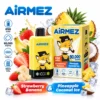

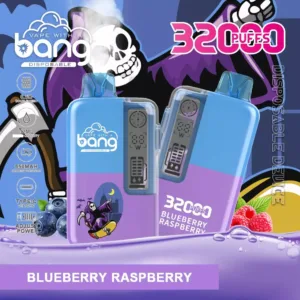


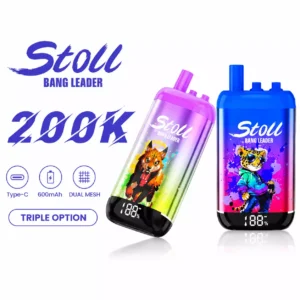

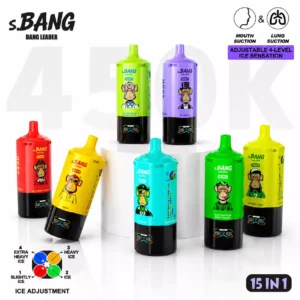
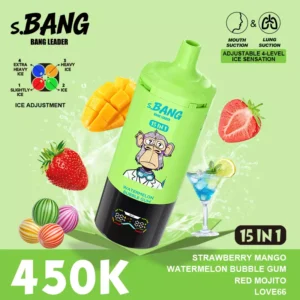



















Vapes jetables
Le guide complet d'ingénierie et de réglementation pour l'élimination des vapes jetables
Expertise & Leadership : À propos de l'auteur
Réponse rapide : est le fondateur et visionnaire derrière ELFVAPING, apportant plus de 10 ans d'expérience pratique en ingénierie et en chaîne d'approvisionnement dans l'industrie des vapes jetables. Avec une compréhension profonde des tendances du marché mondial, de la conformité réglementaire et de la logistique des dispositifs électromécaniques, Jack a passé les 5 dernières années à construire ELFVAPING en un hub mondial de confiance, incontournable pour des marques de premier plan comme BANG BOX, WASPE, UWIN, RandM, FIZZY, BIMO, Bang, Doloda, Elf Box, et MYDE.
Défendant des opérations de gros accessibles, Jack a établi un modèle de tarification axé sur le client qui offre des tarifs directs de gros avec une quantité minimale de commande (MOQ) à peine de 10 pièces, la plus basse de l'industrie. Son expertise technique garantit qu'ELFVAPING livre constamment les meilleurs stylo-vape jetables du marché à la fois aux partenaires de détail et de gros partout dans le monde.
À propos de ELFVAPING
Bienvenue chez ELFVAPING, votre hub en ligne ultime pour tout ce qui concerne les vapes jetables. Avec plus de 5 ans d'excellence opérationnelle, nous sommes la plus grande plate-forme de gros en ligne pour les vapes jetables dans le Les Pays-Bas, l'Allemagne, la Belgique, la France, le Portugal, l'Espagne, la Pologne et le Danemark. Nous proposons des marques d'élite à des prix compétitifs, directement de gros. Commandez dès 10 pièces et bénéficiez de notre infrastructure logistique exceptionnelle et d'un contrôle qualité rigoureux. Lorsque vous avez besoin d'un magasin de vape jetable fiable avec un faible MOQ, ELFVAPING est votre partenaire définitif.
Le guide complet d'ingénierie et de réglementation pour l'élimination des vapes jetables
Alors que l'utilisation de vapes jetables s'accélère à l'échelle mondiale, l'intersection de l'électronique grand public, de l'ingénierie chimique et de la gestion de l'environnement n'a jamais été aussi critique. La vape jetable moderne est un élément d'ingénierie complexe, combinant des cellules lithium-ion à décharge élevée, des bobines en maille usinées avec précision et des formules de vape的核心 sophistiquées. Cependant, cette commodité apporte des responsabilités écologiques profondes. L'élimination inappropriée de ces dispositifs pose des risques importants pour l'intégrité des sols, les écosystèmes aquatiques et les systèmes de gestion des déchets municipaux.
Ce guide faisant autorité fournit une analyse rigoureuse et empirique de la façon de démonter, neutraliser et recycler en toute sécurité les vapes jetables et leurs capacités. Allant au-delà des directives de base, nous analyserons la science des matériaux des composants, détaillerons les normes de conformité environnementale européenne et fournirons des méthodologies concrètes pour que les consommateurs individuels et les distributeurs en gros à grande échelle puissent atteindre des pratiques opérationnelles durables.

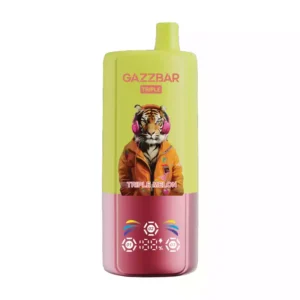
Figure 1 : Les vapes jetables à haute capacité nécessitent des protocoles de recyclage spécialisés en raison de leur circuit intégré et de la chimie robuste de leur batterie.
1. La science de l'environnement et l'impact écologique d'une élimination inappropriée
Pour comprendre pleinement la nécessité de protocoles de recyclage stricts, il faut comprendre les propriétés physico-chimiques des matériaux contenus dans les vapes jetables. Ces dispositifs ne sont pas monolithiques ; ce sont des assemblages hybrides de métaux lourds, de polymères synthétiques et de composés organiques hautement concentrés.
Lorsqu'une vape jetable est assimilée à des déchets de décharge standard, elle subit une dégradation mécanique et chimique progressive. Le boîtier extérieur, généralement construit en polycarbonate (PC) ou en polyéthylène téréphtalate glycol (PCTG), peut prendre des centaines d'années pour se dépolymériser. Lorsque les microplastiques se détachent et pénètrent dans le sol, ils créent des vecteurs pour la lixiviation de la formule de base du vape.
La formule de base du vape elle-même contient des composés actifs stimulants puissants, des profils aromatiques synthétiques et des supports de base comme le propylène glycol (PG) et la glycérine végétale (VG). Si ces composés sont introduits dans des environnements aquatiques, ils augmentent la demande biochimique en oxygène (DBO), étouffant ainsi la vie marine localisée. En outre, les composés actifs sont classés comme des toxines environnementales aiguës lorsqu'ils sont hautement concentrés, capables de perturber les fonctions neurologiques des organismes du sol microscopiques et de la faune locale.
Point de connaissance : La menace de la toxicité du lithium
Le risque environnemental le plus grave provient de la cellule lithium-ion (Li-ion). Une cellule standard de 650mAh contient de l'oxyde de cobalt de lithium ($LiCoO_2$) et des solvants organiques. Lors d'une défaillance structurelle dans une décharge (due à un écrasement ou à une perforation), la cellule peut subir une emballement thermique, déclenchant des incendies souterrains notoirement difficiles à éteindre et libérant des gaz fluorés hautement toxiques dans l'atmosphère.
2. Cadres réglementaires : WEEE, RoHS et conformité européenne
Dans l'Union européenne, la mise au rebut des biens de consommation électroniques est strictement régie par des directives réglementaires globales. Les distributeurs, les détaillants et les utilisateurs finaux doivent opérer dans le cadre de ces cadres juridiques pour prévenir la contamination de l'environnement et éviter des mesures punitives sévères.
La directive DEEE (Déchets d'équipements électriques et électroniques – 2012/19/UE) : Les vapes jetables sont légalement classées dans la catégorie 7 (équipements d'informatique et de télécommunications) ou la catégorie 9 (instruments de surveillance et de contrôle) selon les transpositions nationales spécifiques. Cette directive oblige les producteurs et les grossistes à financer la collecte, le traitement, le recyclage et l'élimination écologiquement saine des DEEE. Les appareils doivent être marqués du symbole “poubelle à roues barrée”, interdisant explicitement leur élimination dans les déchets municipaux non triés.
La directive RoHS (Restriction des substances dangereuses – 2011/65/UE) : Cette norme limite l'utilisation de certains matériaux dangereux présents dans les produits électriques. Les vapes jetables doivent être fabriquées sans dépasser les limites seuils pour le plomb (Pb), le mercure (Hg), le cadmium (Cd) et le chrome hexavalent (Cr6+). Lors de la mise au rebut, les installations de recyclage s'appuient sur la conformité RoHS pour traiter en toute sécurité les cartes de circuit imprimé (PCB) internes et le câblage sans introduire de toxicité des métaux lourds dans le flux de recyclage.
Réglementation sur les batteries de l'UE (2023/1542) : Les mises à jour récentes des lois européennes sur les batteries imposent des objectifs de collecte plus stricts pour les batteries portables, ce qui s'applique directement aux sources d'alimentation internes des vapes jetables. Les grossistes opérant au-delà des frontières doivent garantir une documentation appropriée et participer à des programmes de conformité nationale aux lois sur les batteries.
3. Analyse ingénierie empirique : Déconstruire un dispositif à haute capacité
Pour formuler une stratégie d'élimination efficace, nous avons mené un démontage direct et une analyse des matériaux d'un dispositif moderne à haute capacité. Comprendre l'architecture est primordial pour exécuter des procédures de démantèlement sûr.
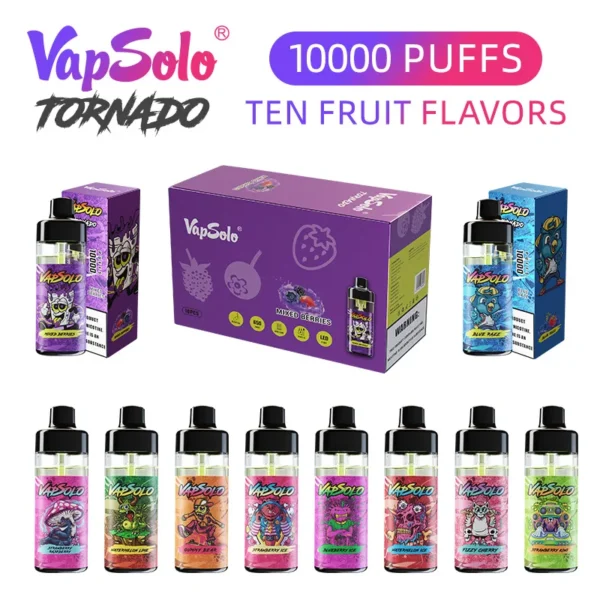
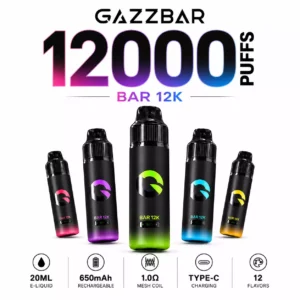
Figure 2 : Les dispositifs avancés présentent des géométries internes complexes qui séparent la matrice de puissance du réservoir de solution.
Notre analyse en laboratoire d'une vape jetable standard de 10 000 bouffées donne la répartition des composants suivante :
- Le châssis (coque extérieure) : Composé d'un alliage d'aluminium anodisé ou de polycarbonate à haute densité. Ces matériaux fournissent une intégrité structurelle mais nécessitent un broyage et un tri industriels pour un recyclage approprié.
- L'Unité d'Alimentation (Batterie) : Une cellule Lithium-Polymère (Li-Po) rechargeable de grade A 650mAh. Nos mesures indiquent que même lorsque l'appareil est enregistré comme “ vide ” et cesse de produire de l'aérosol, la cellule conserve souvent une charge résiduelle d'environ 2,8V à 3,0V. Cette énergie résiduelle nécessite une manipulation prudente pour éviter les courts-circuits.
- Le moteur de l'atomiseur (bobine en maille) : Fabriqué à partir de Kanthal (alliage FeCrAl) ou de Nichrome, souvent entouré d'une matrice capillaire (généralement du coton organique ou de la mèche en silice synthétique) qui maintient la formule de vape centrale.
- Le microprocesseur et le réseau de capteurs : Un micro-PCB contenant le capteur d'activation par aspiration (style microphone ou transducteur de pression), des réseaux d'indicateurs LED et des circuits intégrés de charge (par exemple, contrôleurs de port Type-C).
4. Protocole méthodologique : Élimination sûre de la formule de base du vapotage
La formule de base de vape résiduelle laissée dans un appareil ou une bouteille épuisée ne peut pas simplement être jetée. Les composés actifs et les profils aromatiques sont hautement solubles et persistants. L'approche méthodologique suivante garantit la sécurité environnementale :
- Évaluation du volume : Déterminez si le réservoir de solution est complètement sec. Dans les dispositifs avancés à bobine en maille, jusqu'à 1 ml de la formule de base peut rester piégée dans le matériau de capillarité même après que le dispositif cesse de tirer.
- Technique d'absorption : Si vous extrayez la solution résiduelle des bouteilles ou des réservoirs démontés, ne la versez pas. Utilisez plutôt un milieu inerte à haute absorbabilité. Mélangez la solution restante avec de la litière pour chat organique inutilisée, de la sciure de bois ou des granulés absorbants chimiques spécialisés. Cela neutralise l'état liquide, empêchant qu'il ne suinte s'il est accidentellement déposé dans des flux de déchets standards.
- Contention scellée : Transférez le matériau absorbant saturé dans un sac en polyéthylène lourd et étanche aux fuites. Scellez le sac de manière sécurisée pour contenir tout profil aromatique volatilisant.
- Transfert de déchets dangereux : Livrez l'unité de confinement scellée à une installation municipale de déchets dangereux certifiée. Ces installations possèdent les capacités de destruction thermique ou les protocoles de neutralisation chimique nécessaires pour traiter les composés stimulants actifs en toute sécurité.
Point de connaissance : La chimie de la contamination
Les supports de base, le propylène glycol ($C_3H_8O_2$) et la glycérine végétale ($C_3H_8O_3$), sont hygroscopiques et miscibles dans l'eau. Bien que généralement reconnus comme sûrs pour des applications spécifiques aux consommateurs, des afflux massifs dans les installations municipales de traitement des eaux usées dus à une élimination inappropriée généralisée peuvent perturber les équilibres bactériens délicats utilisés dans le traitement secondaire des eaux usées.
5. Protocoles pour les capacités des dispositifs vides et les plastiques structurels
Les capacités physiques — les bouteilles et les réservoirs internes — nécessitent des efforts de recyclage ciblés. En raison des profils aromatiques profondément intégrés dans les matrices polymères, le recyclage standard en bordure de rue rejette souvent ces composants à moins qu'ils ne soient rigoureusement nettoyés.
Pour les bouteilles et les emballages plastiques externes :
Tout d'abord, identifiez le code d'identification de la résine (RIC) estampillé sur le fond. La plupart des capacités de haute qualité utilisent le PET (Type 1) ou le HDPE (Type 2), qui se vantent de taux de recyclabilité élevés.
Deuxièmement, exécutez un protocole de triple rinçage à l'eau chaude pour dissoudre toute base PG/VG résiduelle.
Troisièmement, assurez la suppression complète des étiquettes en vinyle ou en papier externes, car les adhésifs peuvent contaminer le processus de pelage du plastique au centre de recyclage.
Pour les réservoirs internes des vapes jetables : Parce que ceux-ci sont liés de manière permanente à la matrice chauffante et saturés de la formule centrale, ils sont généralement classés comme plastiques contaminés. Sauf si vous avez accès à un service de démontage WEEE spécialisé, l'ensemble de l'appareil intact doit être traité comme un déchet électronique plutôt que d'être séparé en flux de recyclage du plastique.
6. Dangers électrochimiques : L'obligation de recyclage des batteries
Le cœur battant de toutes les vapes jetables est la cellule à base de lithium. L'incapacité à extraire et à recycler correctement ces cellules est la principale cause d'incendies dans les véhicules de gestion des déchets et les installations de récupération de matériaux (MRF).
La densité énergétique de ces cellules peut être calculée pour démontrer le danger latent. L'énergie totale stockée ($E$) en watt-heures est déterminée par la formule :
Pour une cellule standard de 3,7 V nominale, 650 mAh, l'énergie stockée est d'environ 2,4 watt-heures. Bien que seemingly petite, une court-circuit franc entre les bornes peut décharger cette énergie en secondes, créant des températures localisées dépassant 600 °C — plus que suffisant pour enflammer les plastiques environnants et les matériaux de mèches absorbants.
Étapes de mise au rebut des unités d'alimentation :
- N'essayez pas d'ouvrir l'appareil de force si vous n'avez pas d'outils en céramique isolés et d'équipements de sécurité. La perforation du sachet en aluminium d'une batterie Li-Po provoque immédiatement une emballement thermique.
- Si la batterie est retirée en toute sécurité, isolez immédiatement les bornes positives et négatives à l'aide de ruban polyimide (ruban Kapton) ou de ruban électrique standard pour empêcher un court-circuit accidentel contre d'autres métaux dans le bac de recyclage.
- Transportez les cellules isolées vers des lieux de dépôt dédiés pour les batteries, couramment trouvés dans les principaux magasins de vente au détail d'électronique ou dans des décharges municipales spécialisées en déchets électroniques.
7. Leadership dans l'industrie : l'engagement d'ELFVAPING envers la durabilité
À ELFVAPING, nous reconnaissons que notre position en tant que force de gros dominant sur le marché européen implique des responsabilités écologiques profondes. En desservant de vastes réseaux B2B à travers l Les Pays-Bas, l'Allemagne, la Belgique, la France, le Portugal, l'Espagne, la Pologne et le Danemark, nous promouvons activement des pratiques d'achat et d'élimination durables parmi nos partenaires.
Notre modèle commercial est conçu pour soutenir à la fois les distributeurs à grande échelle et les petits magasins de détail, en offrant des prix directs de gros avec une quantité minimale de commande (MOQ) très accessible de seulement 10 pièces. En centralisant la distribution, nous optimisons la logistique de la chaîne d'approvisionnement, réduisant drastiquement l'empreinte carbone associée à des itinéraires d'expédition fragmentés.
Appel à l'action pour les partenaires de gros :
Nous invitons les détaillants avant-gardistes à s'approvisionner en stock de manière responsable. Achetez des vapes jetables en gros sur notre plateforme (ELFVAPING) pour vous assurer de recevoir des appareils authentiques, rigoureusement testés et entièrement conformes. Que vous soyez en train de stocker BANG BOX, WASPE, RandM ou Elf Box, notre catalogue extensif représente le summum de l'ingénierie et de la sécurité dans le secteur des vapes jetables. Partenariat avec nous aujourd'hui pour sécuriser des vapes jetables en gros de premier plan tout en promouvant une bonne gestion environnementale.
8. Données analytiques : cycles de vie des composants et indicateurs de recyclage
Tableau 1 : Décomposition physico-chimique des composants de la vape
| Architecture des composants | Science des Matériaux Primaires | Classe de Danger Environnemental | Méthodologie d'Élimination Optimisée |
|---|---|---|---|
| Formule Vape Centrale | PG/VG, Composés Actifs, Aromatiques | Toxicité aquatique, DBO élevée | Neutralisation du milieu d'absorption -> Déchets dangereux |
| Unité d'alimentation (Batterie) | Oxyde de lithium-cobalt, Électrolytes | Fuite thermique, Lessivage de métaux lourds | Isolez les bornes -> Installation WEEE/batterie certifiée |
| Boîtier de l'appareil et réservoir | Polycarbonate, PCTG, Alliage d'aluminium | Dégradation des microplastiques, Persistance | Triple rinçage (si bouteilles vides) -> Recyclage des plastiques |
| Carte de circuit imprimé (PCB) | Fibre de verre, Cuivre, Micro-silicium | Métaux traces, Organiques persistants | Traitement de dispositifs intacts via les directives WEEE |
Analyse de conception de la marque de gros
La recyclabilité des vapes jetables dépend fortement de leur ingénierie initiale. Ci-dessous se trouve une comparaison analytique des marques leaders disponibles pour un achat en gros sur notre plateforme, évaluant leurs considérations de conception concernant le traitement en fin de vie.
9. Questions techniques clés (FAQ)
10. Directives finales pour la responsabilité environnementale
L'évolution technologique de l'industrie du vapotage a dépassé l'infrastructure traditionnelle de gestion des déchets. Il est de la responsabilité de toute la chaîne d'approvisionnement—des ingénieurs concevant les appareils aux distributeurs en gros, aux détaillants et aux utilisateurs finaux—d'adopter de manière agressive des protocoles de disposition scientifiquement solides. La disposition responsable des capacités de vapotage n'est pas simplement une suggestion; c'est une exigence fondamentale pour protéger l'intégrité biosphérique et se conformer aux cadres juridiques européens stricts.
Nous exhortons toutes les entreprises et les consommateurs à mettre en œuvre les méthodes détaillées dans ce guide technique. Chez ELFVAPING, nous sommes prêts à soutenir vos besoins opérationnels avec des vapes jetables de gros en qualité supérieure et conformes. En maintenant des normes rigoureuses et en promouvant la sensibilisation écologique, ensemble, nous pouvons atténuer l'empreinte environnementale de notre industrie tout en profitant des progrès continus de la technologie de la vape.
Point de connaissance de l'industrie : Le changement de paradigme dans l'administration de vapeur
Les données de marché récentes indiquent un changement de 221 % vers les dispositifs utilisant une architecture de bobine en maille sous-ohm. Contrairement aux configurations de fil traditionnelles, les éléments de maille modernes offrent une surface de chauffage plus grande pour la formule pré-remplie. Cela se traduit par une distribution thermique supérieure, empêchant les tirages à sec, prolongeant l'efficacité de la batterie et garantissant un profil sensoriel constant dès le premier tirage jusqu'à l'épuisement du réservoir.
1. Dynamique du marché et conformité réglementaire en Europe
La distribution de vapes jetables au sein de l'Union européenne nécessite une adhésion stricte aux protocoles de fabrication et de sécurité standardisés. La viabilité commerciale est directement liée à la conformité réglementaire. Les dispositifs distribués par les canaux autorisés doivent répondre aux certifications CE (Conformité Européenne) et RoHS (Restriction des substances dangereuses). Ces certifications exigent que les composants électroniques soient exempts de métaux lourds restreints et que les cellules d'alimentation au lithium-ion internes répondent à des critères de stabilité thermique rigoureux. En outre, les directives locales dictent des limites strictes sur les capacités des réservoirs internes et exigent des étiquettes d'avertissement claires pour les consommateurs. Nous garantissons que l'ensemble de notre portefeuille de vapes jetables est conforme à ces cadres régionaux, atténuant ainsi les risques juridiques et opérationnels pour nos partenaires de gros en Allemagne, en Belgique et dans la zone UE plus large.2. Méthodologie de test empirique et d'assurance qualité
Pour établir une confiance et une fiabilité absolues dans les produits que nous fournissons, ELFVAPING s'appuie sur un cadre rigoureux de contrôle qualité (QA) basé sur des données. Nous ne nous contentons pas de transmettre les spécifications des fabricants ; nous les validons par des protocoles de tests empiriques.Simulation de tirage pneumatique
En utilisant des simulateurs d'inhalation mécanique automatisés, nous échantillonnons 2% des lots entrants pour vérifier les décomptes de bouffées annoncés. Les dispositifs sont testés sous pression atmosphérique standard, en tirant 50 ml de vapeur à chaque intervalle de 3 secondes, garantissant que la capacité interne correspond avec précision aux affirmations du fabricant.
Analyse de rétention de tension
Les batteries au lithium-ion cobalt (LiCoO2) intégrées dans notre matériel subissent des tests de multimètre à plusieurs étapes. Nous mesurons la chute de tension lors du fonctionnement continu pour nous assurer que la batterie maintient une puissance optimale jusqu'à ce que le réservoir de formule soit complètement épuisé.
Stabilité thermique et prévention des fuites
Les appareils sont soumis à des fluctuations rapides de température (-10 °C à 45 °C) dans des chambres environnementales contrôlées pour simuler les conditions de transit. Cela valide l'intégrité des joints en silicone, garantissant qu'aucune infiltration ne se produit avant l'ouverture de l'emballage par le consommateur.
3. Marques d'élite définissant le paysage européen
L'approvisionnement stratégique nécessite un partenariat avec des marques qui investissent massivement dans la recherche et le développement. Le paysage du matériel est dominé par des fabricants qui donnent la priorité à la conception ergonomique, aux éléments chauffants avancés et à une sortie aromatique constante. Vous trouverez ci-dessous une analyse détaillée des meilleures marques de vapes jetables de haute gamme disponibles pour un achat en gros.Série Bang Box
Modèles de sortie à haute capacité
Conçus pour des durées de vie prolongées, les appareils Bang Box utilisent des interfaces intégrées rechargeables de type C ainsi que des cellules de base de 850 mAh. Leurs systèmes de bobines à maillage propriétaires fonctionnent à 1,0 ohm, générant des nuages de vapeur denses tout en préservant l'intégrité de leurs profils aromatiques divers. Cette gamme est hautement recommandée pour les groupes démographiques de consommateurs recherchant la longévité.
RandM Tornade
Architecture à débit d'air réglable
RandM Tornado se différencie grâce à des contrôles pneumatiques personnalisables. La valve de base rotative permet aux utilisateurs de restreindre physiquement ou d'ouvrir l'admission d'air, faisant passer l'appareil de manière transparente d'une aspiration de la bouche au poumon (MTL) à une aspiration directe restreinte du poumon (RDL). Leurs indicateurs d'activation LED RGB servent également d'outils de diagnostic pour la santé de la batterie.
Elf Box
Norme d'efficacité compacte
En établissant la norme industrielle pour le facteur de forme, l'Elf Box utilise un châssis en polycarbonate monocoque qui maximise le volume interne pour le réservoir de formule tout en maintenant une empreinte très compacte. Alimenté par un chipset de déclenchement intelligent, il délivre une sortie précise de 3,6 V, garantissant que la livraison sensorielle reste inchangée même à 10 % de capacité de batterie.
4. Comparaison des spécifications techniques
Pour les gestionnaires d'inventaire évaluant les mérites techniques des différentes gammes de vapes jetables, la matrice suivante présente les paramètres d'ingénierie clés qui déterminent les performances de l'appareil et la satisfaction du consommateur.5. L'économie de l'approvisionnement en vrac avec ELFVAPING
L'efficacité de la chaîne d'approvisionnement est la pierre angulaire du commerce de détail rentable. En centralisant votre stratégie d'approvisionnement via ELFVAPING, les détaillants débloquent des avantages logistiques et financiers considérables. En tant qu'autorité principale et plus grande plateforme de gros en ligne pour les vapes jetables aux Pays-Bas, en Allemagne, en Belgique, en France, au Portugal, en Espagne, en Pologne et au Danemark, nous avons optimisé les voies d'importation et de distribution.Optimisez vos stocks de détail dès aujourd'hui
S'associer avec le principal distributeur européen. Sécuriser du matériel de premier plan, bénéficier de nos processus exceptionnels de contrôle qualité et tirer parti de tarifs de gros hautement compétitifs.
Achetez des vapes jetables en gros sur notre plateforme centralisée sur ELFVAPING.
6. Protocoles de durabilité et responsabilité environnementale
La prolifération des produits électroniques à haut volume nécessite une approche stricte de la gestion de l'environnement. Les marques modernes de vapes jetables conçoivent de plus en plus leurs matériels pour se conformer à la directive de l'Union européenne sur les déchets d'équipements électriques et électroniques (DEEE). ELFVAPING soutient exclusivement les fabricants qui mettent en œuvre des choix de conception durables. Cela comprend la transition vers des polymères extérieurs biodégradables et des architectures internes modulaires qui permettent aux installations de recyclage spécialisées d'extraire facilement les cellules d'alimentation au lithium-ion du cuivre et des plastiques structurels. L'éducation du consommateur final sur les canaux de disposition appropriés demeure une responsabilité critique pour les détaillants à travers l'UE.7. Foire aux questions d'expert : Naviguer dans l'approvisionnement en vapes jetables
QQuelle est la Quantité Minimum de Commande (QMC) pour activer un compte grossiste ?
Chez ELFVAPING, nous avons structuré notre modèle d'approvisionnement pour soutenir les entreprises de toutes tailles. Notre quantité minimale de commande (MOQ) est fixée à un niveau exceptionnellement accessible de 10 pièces. Cela permet une diversification rapide des stocks et un test de marché localisé.
QQuelles régions sont entièrement couvertes par votre réseau logistique ?
Nous opérons en tant que plateforme de gros principale desservant spécifiquement les Pays-Bas, l'Allemagne, la Belgique, la France, le Portugal, l'Espagne, la Pologne et le Danemark. Nos passerelles de paiement localisées (telles que iDEAL pour les Pays-Bas et Bancontact pour la Belgique) facilitent des transactions sans friction.
QComment vérifiez-vous la fiabilité technique des dispositifs fournis ?
Notre programme robuste d'assurance qualité implique un échantillonnage par lots à l'aide de simulateurs de tirage pneumatique, des diagnostics de multimètre pour la santé de la batterie et des contrôles de stabilité thermique. Cela garantit que chaque produit fonctionne précisément conformément aux spécifications techniques publicitaires.
QExiste-t-il des modèles de tarification évolutifs pour des acquisitions à plus gros volume ?
Oui, bien que notre quantité minimale de commande (MOQ) commence à 10 unités, notre algorithme de tarification à paliers applique automatiquement des remises importantes à mesure que votre volume de commande augmente, garantissant que les distributeurs à haute capacité maximisent leurs marges de détail.
40 000 Puff Vapes
WASPE AIVIOU 40000 bouffées Double saveurs Écran LED Achat en gros Vapes jetables rechargeables en gros
20 000 Puff Vapes
Bang Box 20000 bouffées Vape Rechargeable Achat en gros Vape jetable en gros
60 000 Puff Vapes
WASPE AIVIOU 60000 bouffées 3 saveurs en 1 Écran LED Achat en gros Vapes jetables rechargeables en gros
15 000 Puff Vapes
RandM Tornado 15000 bouffées Achat en gros Vape jetable rechargeable en gros
100000 Puff Vapes
LEADER BANG STOLL 100K Four Tastes 100000 bouffées Vapes jetables à bobine Quad Mesh Achat en gros en vrac
100000 Puff Vapes
WASPE Quatre Saveurs 100K Puffs Achat en Gros Vapes Jetables Rechargeables en Gros
18 000 Puff Vapes
Vapes jetables rechargeables JNR Falcon X 18000 bouffées affichage numérique double maille achat en gros vente en gros
20 000 Puff Vapes
Gazzbar Rocket 20000 Puffs Double Maille Écran LED Achat en Gros Vapes Jetables Rechargeables en Gros