

























ElfVaping tinklaraštis, Garavimo naujienos
Elektroninės cigaretės Vokietijoje 2026: TPD, amžius, mokestis ir prekybos taisyklės
Trumpas atsakymas: Veipinimo produktai Vokietijoje yra reglamentuojami, tačiau pats veipinimas nėra apskritai uždraustas. 2026 m. mažmenininkai turi atskirti tris dažnai painiojamas temas: ar konkrečios konfigūracijos produktą galima pateikti Vokietijos rinkai, ar jį galima parduoti konkrečiam klientui ir kur jį galima naudoti. Nikotino turinčioms vienkartinėms elektroninėms cigaretėms ir vienkartinėms kasetėms Vokietijos teisė riboja skysčio talpą iki 2 ml ir nikotino koncentraciją iki 20 mg/ml; nikotino turinčios papildymo talpos ribojamos iki 10 ml. Parduoti galima tik 18 metų ir vyresniems asmenims, taikomi EU-CEG pranešimo reikalavimai, tabako gaminių pakaitalų akcizas 2026 m. yra 0,32 € už ml, o nuo 2026 m. liepos 1 d. atitinkamos prekybos vietos turi priimti panaudotas elektronines cigaretes pagal pakeistas elektros įrangos taisykles.
Šiame vadove paaiškinamos elektroninių cigarečių ir veipinimo taisyklės Vokietijoje iš mažmenininko ir atitikties perspektyvos. Turinys iš esmės patikrintas 2026 m. rugpjūčio 18 d. pagal galiojančius Vokietijos teisės aktus ir federalinių institucijų gaires. Tai bendro pobūdžio informacija, o ne teisinė konsultacija, ir ji nepatvirtina jokios konkrečios SKU kaip atitinkančios reikalavimus.
| Tema | Taisyklė Vokietijoje 2026 m. | Reikšmė mažmenininkui |
|---|---|---|
| Minimalus amžius | 18+ | Nesiūlykite ir neperduokite elektroninių cigarečių vaikams ar paaugliams; nepilnamečių apsaugos taisyklė taip pat apima elektronines cigaretes be nikotino. |
| Nikotino koncentracija | Ne daugiau kaip 20 mg/ml | Tikrinkite tikslų Vokietijos rinkai skirtą produktą ir pakuotę, o ne vien pasaulinį tiekėjo puslapį. |
| Nikotino turinčio vienkartinio įrenginio/kasetės talpa | Ne daugiau kaip 2 ml | Negalima automatiškai manyti, kad pasaulinė didelės talpos vienkartinė konfigūracija yra teisėta Vokietijos mažmeninėje prekyboje. |
| Nikotino turinti papildymo talpa | Ne daugiau kaip 10 ml | Kartu tikrinkite buteliuko tūrį ir nikotino koncentraciją. |
| Produkto pranešimas | EU-CEG pranešimas, paprastai likus šešiems mėnesiams iki pirmojo pateikimo rinkai | Už pranešimą atsako gamintojas/importuotojas; mažmenininkas turėtų gauti pakankamai produkto tapatybės ir dokumentacijos duomenų, kad neprekiautų nepraneštomis ar deklaracijai neatitinkančiomis SKU. |
| Akcizas | 0,32 €/ml nuo 2026 m. sausio 1 d. tabako gaminių pakaitalams | Mokestinis statusas yra atskira atitikties patikra nuo TPD sistemos produktų ribų. |
| Naudojimas viešose vietose | Federaliniai apribojimai aiškiai apima elektronines cigaretes atitinkamose federalinėse įstaigose, viešajame keleiviniame transporte ir keleivinėse geležinkelio stotyse | Federalinių žemių teisė, pažymėtos zonos ir vidaus taisyklės gali nustatyti papildomų apribojimų. |
| Panaudotų įrenginių priėmimas | Išplėsta mažmenininkų priėmimo pareiga taikoma nuo 2026 m. liepos 1 d. | Reikalavimų apimamose prekybos vietose turi būti tinkamas grąžinimo punktas ir informacija klientams. |
| Vienkartinių vape draudimas | 2026 m. rugpjūčio 18 d. nėra įsigaliojusio bendro nacionalinio mažmeninės prekybos draudimo, kurį būtume galėję patvirtinti | Nepainiokite teisėkūros projektų ar politinių pareiškimų su jau galiojančiu įstatymu; stebėkite pakeitimus. |
1. Kokie įstatymai reglamentuoja veipinimą Vokietijoje?
Vokietijos elektroninių cigarečių sistema derina ES taisykles ir nacionalinę teisę. ES Tabako gaminių direktyva 2014/40/ES nustatė pagrindines taisykles nikotino turinčioms elektroninėms cigaretėms ir papildymo talpoms. Vokietija šiuos reikalavimus įgyvendino per Tabakerzeugnisgesetz (TabakerzG) ir Tabakerzeugnisverordnung (TabakerzV). Federalinė vartotojų apsaugos ir maisto saugos tarnyba BVL taip pat nurodo, kad nuo 2021 m. Vokietija atitinkamus tabako teisės reikalavimus išplėtė ir elektroninėms cigaretėms bei papildymo skysčiams be nikotino.
Todėl mažmenininkas negali atsakyti į klausimą „ar šis vape yra legalus Vokietijoje?“ vien pagal deklaruojamą įtraukimų skaičių ar nikotino procentą. Sudėtis, talpos dydis, pranešimo būsena, pakuotė, ženklinimas, amžiaus patikra, mokesčiai ir elektros atliekų pareigos yra skirtingi tos pačios atitikties analizės sluoksniai. Platesnį nacionalinių ir ES taisyklių sąveikos paaiškinimą rasite mūsų veipinimo teisinės aplinkos vadove.
Vienas pagrindinių pirminių teisės šaltinių yra Vokietijos tabako gaminių įstatymas (TabakerzG). BVL taip pat skelbia oficialų DUK įmonėms apie elektronines cigaretes.
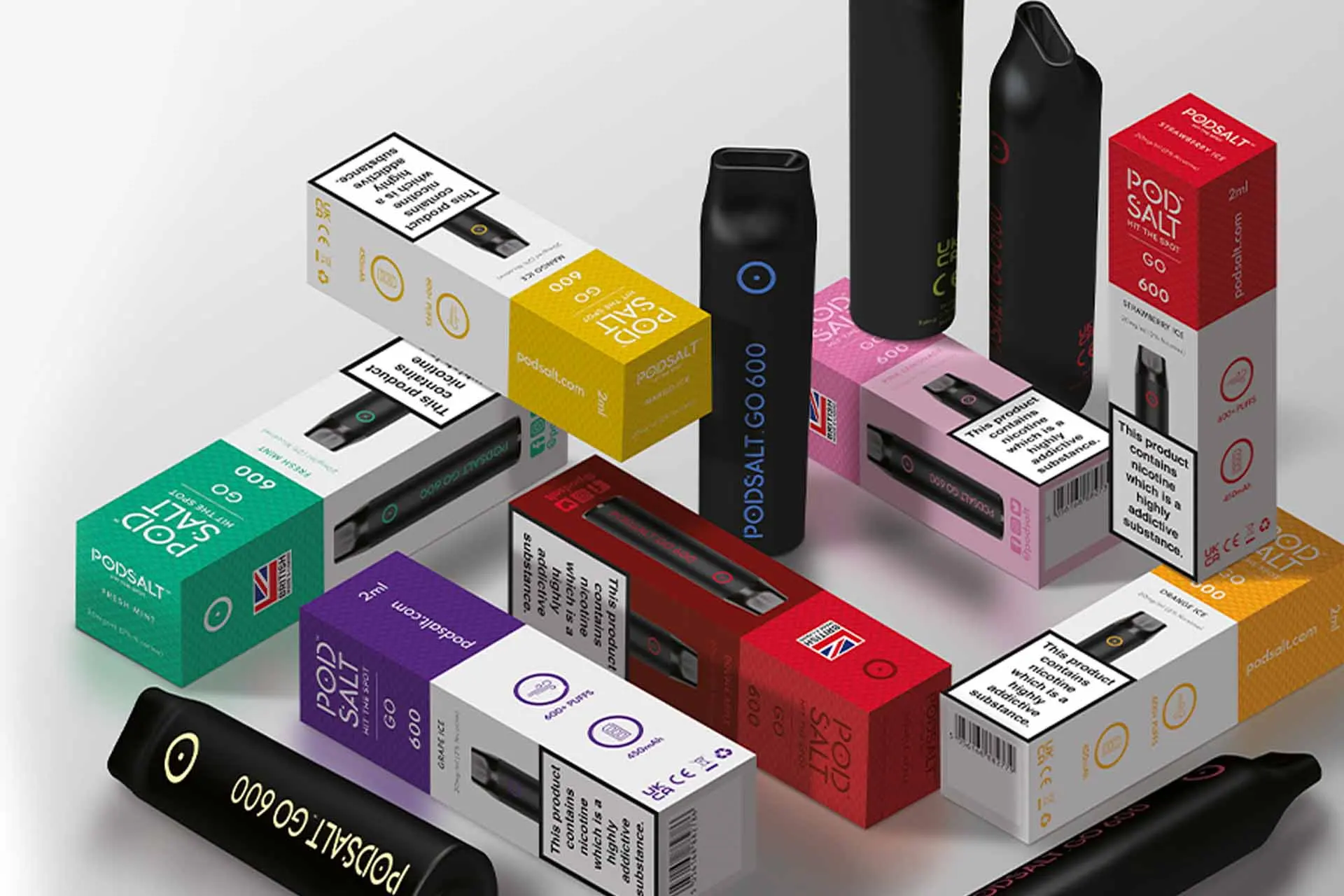
2. 2 ml, 10 ml ir 20 mg/ml ribos: ką jos iš tikrųjų reiškia?
Vienas svarbiausių senesnių straipsnių apie vape teisę pataisymų yra tikslus ribų įvardijimas. TabakerzG §14 nustato, kad nikotino turinčios papildymo talpos gali būti ne didesnės kaip 10 ml, o nikotino turinčios vienkartinės elektroninės cigaretės ar vienkartinės kasetės — ne didesnės kaip 2 ml. Nikotino koncentracija skystyje negali viršyti 20 mg/ml.
Todėl pasaulinius pasiūlymus, kuriuose įrenginiai reklamuojami su 10 ml, 20 ml, 30 ml ar didesnėmis talpomis, būtina atidžiai tikrinti prieš laikant juos Vokietijos mažmeninei rinkai skirtais produktais. Gamintojas skirtingoms rinkoms gali parduoti skirtingas konfigūracijas. Didelės talpos produkto puslapis už Vokietijos ribų neįrodo, kad tą pačią skysčio konfigūraciją galima teisėtai parduoti Vokietijos vartotojams.
Mažmenininkai turi identifikuoti tikslų SKU, o ne vien prekės ženklą ar modelių šeimą. Tikrinkite rezervuaro/kasetės konfigūraciją, nikotino koncentraciją, pakuotės kalbą, importuotojo ar atsakingo ekonominės veiklos vykdytojo duomenis, partijos informaciją ir rinką, kuriai skirta pakuotė. Jei tiekėjo puslapis tvirtina „atitinka TPD“, tačiau kartu aprašo nikotino turintį vienkartinį įrenginį su gerokai daugiau nei 2 ml, prieštaravimą reikia išsiaiškinti, o ne priimti rinkodaros teiginį.
Teisės normos tekstas pateiktas TabakerzG §14. Koncentracijos terminiją paaiškina mūsų nikotino lygių vadovas; teisinių maksimumų nereikėtų painioti su asmenine naudojimo rekomendacija.
3. Ar vape be nikotino nepatenka į Vokietijos taisykles?
Ne. Tai dar vienas dažnas pasenusios informacijos šaltinis. BVL paaiškina, kad Vokietija išplėtė tabako gaminių reguliavimo taikymo sritį, todėl atitinkami reikalavimai apima ir elektronines cigaretes bei papildymo talpas be nikotino. Nepilnamečių apsaugos taisyklės aiškiai taikomos ir elektroninėms cigaretėms bei e-shisha be nikotino.
Pareigos nėra visiškai vienodos kiekvienu klausimu: pavyzdžiui, konkretus įspėjimas apie nikotiną logiškai susijęs su nikotino turinčiais produktais. Tačiau žymėjimas „0 % nikotino“ niekada nėra bendras atleidimas nuo Vokietijos produkto, pranešimo, nepilnamečių apsaugos, cheminės saugos ar elektros įrangos reikalavimų.
4. Nuo kiek metų Vokietijoje galima pirkti vape? Nuo 18 metų
Minimalus amžius Vokietijoje yra 18 metų. Jugendschutzgesetz §10 nustato, kad tabako gaminių ir kitų nikotino turinčių produktų viešai negalima siūlyti ar perduoti vaikams arba paaugliams; šie apribojimai taip pat taikomi elektroninėms cigaretėms ir elektroninėms shisha be nikotino.
Mažmenininkui praktinė išvada aiški: amžiaus patikra turi veikti tikrame pardavimo procese, ne vien svetainės poraštėje ar amžiaus iššokančiame lange. BVL tarpvalstybinėje nuotolinėje prekyboje aiškiai nurodo tinkamos amžiaus patikros sistemos poreikį. Internetinė parduotuvė checkout, užsakymo vykdymą ir perdavimą turėtų vertinti kaip vieną susietą kontrolės procesą.
Vidinės taisyklės „tikrinti dokumentą, jei asmuo atrodo jaunesnis nei 25 metų“ nepateikite kaip įstatyminės amžiaus ribos. Įmonės politika gali būti griežtesnė, tačiau teisinė pardavimo riba yra 18 metų.
5. EU-CEG pranešimas: prieš šešis mėnesius iki naujo produkto pateikimo rinkai
BVL nurodo, kad pranešimo pareigos taikomos ir nikotino turinčioms, ir nikotino neturinčioms elektroninėms cigaretėms bei papildymo talpoms. Apie naują produktą paprastai reikia pranešti per EU Common Entry Gate (EU-CEG) likus šešiems mėnesiams iki jo pateikimo Vokietijos rinkai.
Pranešimą paprastai teikia gamintojas arba importuotojas, tačiau mažmenininkui vis tiek reikia dokumentuojamo naujų produktų įtraukimo proceso. Kataloge nurodyta produkto tapatybė bent jau turi sutapti su faktiškai gauta preke ir pakuote. Mažmenininkas turi gebėti atskirti Vokietijos rinkos SKU nuo vizualiai panašios pasaulinės versijos ir vien prekės ženklo nelaikyti pakankamu įrodymu.
Naudingos patikros prieš įtraukiant naują vape SKU
- Patvirtinkite tikslų gamintoją, modelį ir variantą.
- Nikotino koncentraciją ir rezervuaro/papildymo tūrį užrašykite nuo fizinės pakuotės.
- Kai taikoma, patikrinkite informaciją vartotojui vokiečių kalba ir privalomus įspėjimus.
- Patvirtinkite privalomus ES įsisteigusio gamintojo/importuotojo ar atsakingo ekonominės veiklos vykdytojo duomenis.
- Prašykite tiekėjo konkrečiam produktui skirto pranešimo ar tapatybės įrodymo, o ne priimkite bendrą teiginį „registruota“.
- Saugokite sąskaitas, tiekėjo duomenis ir partijų identifikatorius, kad produkto įrašą būtų galima susieti su realiai gautomis prekėmis.
Produkto pranešimo detales rasite BVL įmonėms skirtame DUK apie elektronines cigaretes ir papildymo talpas.
6. Tarpvalstybinė internetinė prekyba į Vokietiją
Tarpvalstybinė nuotolinė prekyba prideda dar vieną reikalavimų lygį. BVL nurodo, kad įmonė, kuri iš kitos šalies tiesiogiai ar internetu parduoda į Vokietiją, pagal taikomą tarpvalstybinę sistemą turi registruotis kompetentingoje institucijoje savo ES įsisteigimo valstybėje ir, kai reikalaujama, kompetentingoje institucijoje Vokietijoje. Tinkama amžiaus patikros sistema turi užtikrinti, kad produktai būtų siūlomi ir perduodami tik teisėto minimalaus amžiaus sulaukusiems klientams.
Tai svarbu didmenininkams, marketplace platformoms ir parduotuvėms, naudojančioms fulfilment partnerius. Techniškai reikalavimus atitinkantis produktas automatiškai nepadaro atitinkančio tarpvalstybinio pardavimo proceso. Atskirai reikia tikrinti produkto teisę ir pardavimo kanalą.
7. Vape mokestis Vokietijoje 2026 m.: 0,32 € už ml
Vokietija apmokestina „tabako gaminių pakaitalus“ pagal skysčio tūrį remdamasi Tabaksteuergesetz. §2 nuo 2026 m. sausio 1 d. nustato 0,32 € už mililitrą tarifą, palyginti su 0,26 €/ml 2025 m. Mokestinė sąvoka yra platesnė nei paprastas „nikotino mokestis“: įstatymo kategorija orientuota į produktus, tinkamus vartoti prietaiso generuojamą aerozolį ar garus, atsižvelgiant į įstatymo apibrėžtis ir išimtis.
| Laikotarpis | Akcizo tarifas tabako gaminių pakaitalams |
|---|---|
| 2022 m. liepos 1 d.–2023 m. gruodžio 31 d. | 0,16 €/ml |
| 2024 m. sausio 1 d.–gruodžio 31 d. | 0,20 €/ml |
| 2025 m. sausio 1 d.–gruodžio 31 d. | 0,26 €/ml |
| Nuo 2026 m. sausio 1 d. | 0,32 €/ml |
Dabartinis tarifas nustatytas TabStG §2. Mažmenininkai, importuojantys ar perkantys iš kitos valstybės narės, neturėtų manyti, kad vien tiekėjo sąskaita įrodo Vokietijos akcizo statusą; akcizo ženklai, judėjimo taisyklės ir atsakomybė gali priklausyti nuo tiekimo grandinės. Priklausomai nuo verslo modelio gali būti tikslinga mokesčių konsultacija.
8. Reklamos ir rinkodaros apribojimai
Vokietija taiko reikšmingus elektroninių cigarečių ir papildymo talpų reklamos apribojimus. Senesni straipsniai dažnai tai supaprastina iki „visa interneto rinkodara draudžiama“ arba, priešingai, mano, kad mažmenininko svetainėje leidžiama viskas. Nė vienas toks trumpinys nėra geras atitikties metodas.
Mažmenininkai turėtų atskirti faktinę produkto informaciją, būtiną internetinei parduotuvei, nuo mokamos reklamos, rėmimo, tarpvalstybinės reklamos, lauko reklamos ir jaunimui patrauklaus turinio. TabakerzG numato atitinkamus apribojimus, o e-cigarečių lauko reklamos taisyklės taikomos nuo 2024 m. Teiginiai, kad vape yra nekenksmingas, sveikas ar mediciniškai naudingas, taip pat kelia aiškią atitikties ir vartotojų apsaugos riziką.
Todėl šiame straipsnyje naudojama neutrali reguliacinė kalba, o ne pirkimą skatinantys teiginiai. Tikslas — atsakyti į paieškas apie elektroninių cigarečių taisykles Vokietijoje o ne paversti teisinį vadovą reklama.

9. Kur Vokietijoje galima veipinti?
Federalinis nerūkančiųjų apsaugos įstatymas dabar aiškiai apima elektronines cigaretes. Pagal Bundesnichtraucherschutzgesetz §1veipinimas patenka į rūkymo draudimą atitinkamose federalinėse įstaigose, viešajame keleiviniame transporte ir keleivinėse geležinkelio stotyse, atsižvelgiant į uždarų erdvių ir pažymėtų rūkymo patalpų ar zonų taisykles.
Šis federalinis įstatymas nepateikia viso atsakymo dėl kiekvieno restorano, baro, biuro, stadiono ar kitos vietos. Vokietijos federalinės žemės turi savo nerūkančiųjų apsaugos taisykles, o operatoriai gali nustatyti vidaus tvarką. Todėl tikrinkite konkrečios vietos taisykles, o ne taikykite vieną nacionalinį sakinį visoms vidaus ir lauko erdvėms.
Mūsų atskiras vadovas apie veipinimą viešose vietose skiria dėmesį etiketui ir konkrečios vietos taisyklėms, o ne produkto rinkos teisėtumui.
10. Ar vienkartiniai vape Vokietijoje legalūs 2026 m.?
2026 m. rugpjūčio 18 d. negalėjome patvirtinti jau įsigaliojusio bendro nacionalinio draudimo, kuris uždraustų visą vienkartinių elektroninių cigarečių mažmeninę prekybą. Tačiau vyksta aktyvus politinis procesas dėl vienkartinių produktų ribojimo ar draudimo, ir ši sritis gali keistis greičiau nei stabilesnės produkto taisyklės.
Šis skirtumas svarbus paieškoms „elektroninės cigaretės Vokietijoje“, „ar vape Vokietijoje uždrausti?“ arba „ar vienkartiniai vape Vokietijoje legalūs?“. Politinis pranešimas apie planuojamą draudimą nėra tas pats, kas priimtas įstatymas su įsigaliojimo data. Tuo pačiu „šiandien nėra bendro draudimo“ nereiškia, kad bet kuris pasaulinėje svetainėje esantis vienkartinis vape gali būti teisėtai parduodamas Vokietijoje. Konkretus SKU vis tiek turi atitikti Vokietijos reikalavimus dėl nikotino kiekio ir koncentracijos, pranešimo, nepilnamečių apsaugos, mokesčių ir elektros įrangos.
Prieš didelius atsargų sprendimus mažmenininkai turėtų dar kartą patikrinti teisinę padėtį, nes ši politika vystosi. Federalinė aplinkos ministerija viešai rėmė būsimą draudimą, tuo tarpu galiojanti 2026 m. sistema kartu plečia grąžinimo pareigas.
11. Nauja 2026 m. panaudotų elektroninių cigarečių priėmimo pareiga
Aplinkosaugos atitiktis tapo centriniu mažmeninės prekybos klausimu. Vokietija pakeitė Elektro- und Elektronikgerätegesetz (ElektroG), o pereinamoji taisyklė reikalavo, kad atitinkami elektroninių cigarečių ir kaitinamojo tabako įrenginių platintojai iki 2026 m. birželio 30 d. įrengtų grąžinimo vietas. Federalinė aplinkos ministerija aiškina, kad nuo 2026 m. liepos 1 d. vartotojai gali grąžinti panaudotas vienkartines elektronines cigaretes atitinkamose prekybos vietose, tokiose kaip kioskai, degalinės ir vape parduotuvės, neprivalėdami pirkti naujo įrenginio.
Praktinė žinutė paprasta: vienkartiniame vape yra elektronikos ir baterija, todėl jis nepriklauso mišrioms buitinėms atliekoms. Mažmenininko atitikties procesas turėtų apimti ne tik pardavimą, bet ir surinkimą, klientų informavimą bei saugų tolesnį perdavimą. Žr. Federalinės aplinkos ministerijos 2026 m. grąžinimo gaires. Pereinamasis terminas nustatytas ElektroG §46.
12. Atitikties kontrolinis sąrašas mažmenininkams Vokietijoje
- Identifikuokite tikslų SKU. Neįtraukite atsargų vien pagal bendrą produkto šeimos pavadinimą ar pagrindinį tiekėjo vaizdą.
- Patikrinkite nikotiną ir skysčio tūrį. Nikotino produktams teisingai taikykite 20 mg/ml, 2 ml vienkartiniams įrenginiams/kasetėms ir 10 ml papildymo talpoms.
- Patikrinkite Vokietijos rinkai skirtą pakuotę. Peržiūrėkite įspėjimus, instrukcijas, atsakingo operatoriaus duomenis ir kitą privalomą informaciją.
- Patikrinkite pranešimo būseną. Susiekite pristatytą produktą su konkrečia EU-CEG tapatybe/dokumentacija, o ne remkitės bendru teiginiu apie prekės ženklą.
- Patvirtinkite amžiaus tikrinimo procedūras. Fizinė parduotuvė, internetinis checkout, fulfilment ir pristatymas visi turi palaikyti 18+ taisyklę.
- Patikrinkite tarpvalstybinę registraciją. Padarykite tai prieš tiesiogiai parduodami Vokietijos vartotojams iš kitos jurisdikcijos.
- Patikrinkite akcizo tvarkymą. 2026 m. tarifas yra 0,32 €/ml; patvirtinkite mokesčių atsakomybę ir akcizo žymėjimo reikalavimus tikroje tiekimo grandinėje.
- Patikrinkite rinkodarą. Produkto informaciją laikykite faktine ir venkite draudžiamų kanalų, patrauklumo nepilnamečiams ir sveikatos teiginių.
- Įdiekite elektros atliekų grąžinimą. Jei jūsų prekybos vietai taikoma 2026 m. ElektroG pareiga, palaikykite reikalaujamą surinkimo ir informavimo procesą.
- Stebėkite politinį procesą dėl vienkartinių vape. Būsimas draudimas gali pakeisti pirkimo sprendimus net tada, kai esamos atsargos atitinka šiandienos taisykles.
13. Įspėjamieji ženklai pasiūlyme, kuris pristatomas kaip „paruoštas Vokietijai“
- Nikotino turintis vienkartinis įrenginys vienu metu reklamuojamas kaip „TPD compliant“ ir su daug daugiau nei 2 ml viename vienkartiniame rezervuare, nepaaiškinant atskiros reikalavimus atitinkančios konfigūracijos.
- Puslapyje rodomos tik pasaulinės nikotino parinktys, pvz., 3 % arba 5 %, ir kartu tvirtinama, kad tas pats vienetas yra Vokietijos mažmeninė prekė.
- Negalima pateikti tikslių modelio/SKU, importuotojo ar atsakingo operatoriaus duomenų.
- Tiekėjas pateikia sertifikavimo logotipo ekrano kopiją vietoje atsekamos produkto dokumentacijos.
- Nuotraukose matoma pakuotė vokiečių kalba neatitinka faktiškai pristatytų prekių.
- Pardavėjas produktus be nikotino laiko atleistais nuo visų Vokietijos pranešimo ar nepilnamečių apsaugos reikalavimų.
- Kaina atrodo neįprastai maža, nes Vokietijos akcizo statusas neaiškus.
Naudingas vidinis palyginimas — mūsų vietinių veipinimo taisyklių tikrinimo vadovas. Techninės priežiūros temos turėtų likti atskiruose puslapiuose, pavyzdžiui, mūsų vape kaitiklių tipų vadove; trikčių šalinimo, pardavimo ir Vokietijos teisinės paieškos intencijos maišymas viename puslapyje silpnina teminę nuosavybę.
14. Vaizdo įrašas: nepriklausomas Vokietijos vartotojų apsaugos kontekstas
Vokietijos Federalinis rizikos vertinimo institutas (BfR) paskelbė vartotojų apsaugos vaizdo įrašų seriją ir forumo medžiagą apie elektronines cigaretes. Toliau pateiktas grojaraštis įtrauktas sveikatos ir reguliavimo kontekstui, o ne kaip produkto rekomendacija ar šio straipsnio teisinių ribų šaltinis. Teisinėms taisyklėms naudokite aukščiau pateiktus įstatymus ir institucijų puslapius.
15. Dažniausi klausimai apie veipinimą Vokietijoje
Ar vape Vokietijoje uždrausti?
Ne. Nėra bendro visos šalies draudimo visoms elektroninėms cigaretėms. Vape produktai yra reguliuojami. Konkretų produktą vis tiek gali būti neteisėta pateikti rinkai ar parduoti, jei jis neatitinka taikomų produkto, pranešimo, mokesčių, nepilnamečių apsaugos ar kitų reikalavimų.
Ar vienkartiniai vape Vokietijoje legalūs?
2026 m. rugpjūčio 18 d. nėra patvirtinto jau galiojančio bendro nacionalinio draudimo, tačiau galimas būsimas draudimas yra aktyvus politinis klausimas. Vienkartinis produktas vis tiek turi atitikti esamas Vokietijos taisykles. Nikotino turinčioms vienkartinėms e-cigaretėms ar kasetėms skysčio tūris ribojamas iki 2 ml, o nikotinas — iki 20 mg/ml.
Nuo kiek metų Vokietijoje galima pirkti vape?
Nuo 18 metų. Vokietijos nepilnamečių apsaugos taisyklės taikomos ir elektroninėms cigaretėms bei e-shisha be nikotino.
Koks nikotino limitas vape Vokietijoje?
Nikotino turinčiam e-cigarečių skysčiui, kuriam taikomas TabakerzG §14, maksimali nikotino koncentracija yra 20 mg/ml.
Ar Vokietijoje galima legaliai parduoti vienkartinį vape su 5 % nikotino?
5 % žymėjimas, priklausomai nuo procento pateikimo, paprastai atitinka apie 50 mg/ml ir viršija 20 mg/ml teisės nustatytą maksimumą nikotino turinčiam e-cigarečių skysčiui. Mažmenininkas turėtų tikrinti tikrąją konkretaus SKU koncentraciją, o ne aklai perskaičiuoti rinkodaros procentą.
Koks vape mokestis Vokietijoje 2026 m.?
Akcizas tabako gaminių pakaitalams nuo 2026 m. sausio 1 d. yra 0,32 € už mililitrą pagal TabStG §2.
Ar vape be nikotino Vokietijoje reikia EU-CEG pranešimo?
BVL nurodo, kad pranešimo pareigos taikomos ir elektroninėms cigaretėms bei papildymo talpoms be nikotino, o apie naują produktą reikia pranešti likus šešiems mėnesiams iki pateikimo rinkai.
Ar galima veipinti Vokietijos traukiniuose ir geležinkelio stotyse?
Federalinis nerūkančiųjų apsaugos įstatymas aiškiai įtraukia elektronines cigaretes į draudimą viešajame keleiviniame transporte ir keleivinėse geležinkelio stotyse, atsižvelgiant į uždarų erdvių ir pažymėtų rūkymo zonų taisykles.
Ar Vokietijos vape parduotuvės gali mesti vienkartinius vape į paprastas šiukšles?
Panaudotos elektroninės cigaretės yra elektros atliekos ir jose yra baterijų. 2026 m. ElektroG pakeitimai išplečia mažmenininkų grąžinimo pareigą, o federalinė aplinkos ministerija aiškiai nurodo, kad panaudotas vienkartines e-cigaretes reikia grąžinti per tinkamus surinkimo kanalus, o ne mesti į mišrias atliekas.
16. Šaltiniai ir redakcinė metodika
Šiame atnaujinime pirmenybė teikiama pirminiams Vokietijos teisės ir institucijų šaltiniams: Tabakerzeugnisgesetz produkto riboms, Jugendschutzgesetz nepilnamečių prieigai, BVL gairėms dėl EU-CEG ir tarpvalstybinės prekybos, Tabaksteuergesetz 2026 m. akcizui, Bundesnichtraucherschutzgesetz federaliniams naudojimo ribojimams ir ElektroG/federalinei aplinkos ministerijai 2026 m. grąžinimo pareigoms. ES Direktyva 2014/40/ES lieka pagrindinė ES sistema nikotino turinčioms e-cigaretėms ir papildymo talpoms.
Sąmoningai pašalinome nepagrįstus teiginius, kad konkretus didmenininkas, prekės ženklas ar produktas yra „visiškai atitinkantis“ be konkretaus SKU įrodymų. Taip pat pašalinome pasenusią terminiją ir ankstesnėje versijoje buvusius AI sugadintus žodžių pakeitimus. Reguliavimas gali keistis, ypač dėl siūlomų vienkartinių produktų ribojimų, todėl įmonės prieš komercinį sprendimą turėtų patvirtinti dabartinius reikalavimus kompetentingoje institucijoje arba pas kvalifikuotą teisininką.
Redakcinė pastaba: paskutinė esminė teisinė peržiūra: 2026 m. rugpjūčio 18 d. Puslapis skirtas suaugusiems skaitytojams ir įmonių atitikties tyrimams. Jis neskatina nikotino vartojimo ir nepakeičia teisinės ar mokesčių konsultacijos.
Pramonės žinių taškas: garų tiekimo paradigmos poslinkis
Naujausi rinkos duomenys rodo 22% poslinkį link įrenginių, naudojančių mažesnę nei omo tinklelio ritės architektūrą. Skirtingai nuo tradicinių vielos konfigūracijų, šiuolaikiniai tinklelio elementai užtikrina didesnį šildymo paviršiaus plotą iš anksto užpildytai formulei. Tai lemia puikų šilumos paskirstymą, neleidžia sausiems smūgiams, prailgina baterijos efektyvumą ir užtikrina nuoseklų pojūčių profilį nuo pirmojo įkvėpimo iki rezervuaro išeikvojimo.
1. Rinkos dinamika ir reguliavimo reikalavimų laikymasis Europoje
Vienkartinių vape įrenginių platinimas Europos Sąjungoje reikalauja griežtai laikytis standartizuotų gamybos ir saugos protokolų. Komercinis gyvybingumas tiesiogiai priklauso nuo teisės aktų laikymosi. Per įgaliotus kanalus platinami įrenginiai turi atitikti CE (Conformité Européenne) ir RoHS (Restriction of Hazardous Substances) sertifikavimo reikalavimus. Šie sertifikatai reikalauja, kad elektroniniuose komponentuose nebūtų ribojamų sunkiųjų metalų, o vidiniai ličio jonų elementai atitiktų griežtus terminio stabilumo kriterijus.\r\n\r\nBe to, vietos teisės aktai nustato griežtas vidinių talpyklų talpos ribas ir reikalauja aiškių įspėjamųjų etikečių vartotojams. Užtikriname, kad visas mūsų vienkartinių vape įrenginių asortimentas atitiktų šias regionines sistemas, taip mažindami teisines ir veiklos rizikas mūsų didmeniniams partneriams Vokietijoje, Belgijoje ir visoje ES.2. Empirinis bandymų ir kokybės užtikrinimo metodas
Norėdami užtikrinti absoliutų pasitikėjimą ir patikimumą tiekiamuose produktuose, ELFVAPING remiasi griežta, duomenimis pagrįsta kokybės užtikrinimo (QA) sistema. Mes ne tik perduodame gamintojo specifikacijas; mes jas patvirtiname empirinio tyrimo protokolais.Pneumatinių sistemų modeliavimas
Naudojant automatinius mechaninius inhaliacijos simuliatorius, mes imame 2% įeinančių partijų mėginius, kad patikrintume reklamuojamą išpūtimo skaičių. Įrenginiai yra išbandyti esant standartiniam atmosferos slėgiui, ištraukiant 50 ml garų per 3 sekundžių intervalą, užtikrinant, kad vidinė talpa tiksliai atitiktų gamintojo teiginius.
Įtampos išlaikymo analizė
Mūsų įrangoje integruotos ličio jonų kobaltinės (LiCoO2) baterijos yra išbandomos daugiapakopiu multimetro tyrimu. Mes matuojame įtampos kritimą nepertraukiamo veikimo metu, kad įsitikintume, jog baterija išlaiko optimalią vatų galią, kol formulės rezervuaras visiškai ištuštėja.
Šiluminis stabilumas ir sandarumo užkardymas
Įrenginiai yra veikiami greitų temperatūros svyravimų (-10°C iki 45°C) kontroliuojamose aplinkos kamerose, siekiant imituoti transportavimo sąlygas. Tai patvirtina silikoninių sandariklių vientisumą, užtikrinant, kad prieš vartotojui išpakavimą neįvyktų jokio nutekėjimo.
3. Elitiniai prekių ženklai, apibrėžiantys Europos kraštovaizdį
Strateginis pirkimas reikalauja partnerystės su prekės ženklais, kurie daug investuoja į mokslinius tyrimus ir plėtrą. Aparatinės įrangos kraštovaizdį dominuoja gamintojai, kurie teikia pirmenybę ergonominiam dizainui, pažangioms šildymo elementams ir nuosekliam aromatinių medžiagų išėjimui. Žemiau pateikiama aukščiausio lygio vienkartinių garintuvų prekių ženklų, kurie yra prieinami didmeniniam pirkimui, analitinė analizė.Bang Box serija
Didelės talpos išvesties modeliai
Sukonstruoti ilgaamžiškumui, Bang Box įrenginiai naudoja integruotas įkraunamas Type-C sąsajas kartu su 850mAh bazinėmis ląstelėmis. Jų patentuotos tinklelio ritės sistemos veikia 1,0 omų varžoje, generuodamos tankius garų debesis, išlaikant įvairių aromatinių profilių vientisumą. Ši linija labai rekomenduojama vartotojų demografinėms grupėms, ieškančioms ilgaamžiškumo.
RandM Tornadas
Koregavimo oro srauto architektūra
RandM Tornado išsiskiria iš kitų dėl pritaikomų pneumatinių valdiklių. Sukasi pagrindinis vožtuvas leidžia vartotojams fiziškai apriboti arba atidaryti oro įsiurbimą, sklandžiai pereinant įrenginį nuo „Mouth-To-Lung“ (MTL) iki „Restricted Direct-Lung“ (RDL) įkvėpimo. Jų RGB LED aktyvavimo indikatoriai taip pat tarnauja kaip diagnostikos įrankiai akumuliatoriaus būklei tikrinti.
Elf Box
Kompaktiškas efektyvumo standartas
Nustatant pramonės standartą formos faktoriui, Elf Box naudoja vientisą polikarbonato korpusą, kuris maksimaliai padidina vidinį tūrį formulei skirto rezervuaro, tuo pačiu išlaikant labai kompaktišką dydį. Maitinamas išmaniojo paleidimo mikroschemų rinkinio, jis tiekia tikslų 3,6 V išėjimą, užtikrindamas, kad jutiminė tiekimo sistema išlieka nepakitusi net esant 10% baterijos talpos.
4. Techninių specifikacijų palyginimas
Inventoriaus vadovams, vertinantiems skirtingų vienkartinių garintuvų linijų techninius privalumus, ši matrica išskiria pagrindinius inžinerinius parametrus, kurie lemia įrenginio veikimą ir vartotojų pasitenkinimą.5. Didmeninio tiekimo ekonomika su ELFVAPING
Tiekimo grandinės efektyvumas yra pelningos mažmeninės prekybos pagrindas. Centralizuodami savo įsigijimo strategiją per ELFVAPING, mažmenininkai atrakina reikšmingus logistinius ir finansinius pranašumus. Kaip pirmaujanti institucija ir didžiausia internetinė didmeninės prekybos platforma vienkartiniams garintuvams Nyderlanduose, Vokietijoje, Belgijoje, Prancūzijoje, Portugalijoje, Ispanijoje, Lenkijoje ir Danijoje, mes optimizavome importavimo ir paskirstymo kelius.Optimizuokite savo mažmeninės prekybos atsargas šiandien
Bendradarbiaukite su pirmaujančiu Europos platintoju. Įsigykite aukščiausios klasės aparatūrą, pasinaudokite mūsų išskirtiniais kokybės užtikrinimo procesais ir pasinaudokite labai konkurencingomis didmeninėmis kainomis.
Pirkite didmeninės prekybos vienkartinius garintuvus mūsų centralizuotoje platformoje ELFVAPING.
6. Tvarumo protokolai ir aplinkosauginė atsakomybė
Didelio masto elektronikos dauginimasis reikalauja griežto požiūrio į aplinkos apsaugą. Šiuolaikiniai vienkartinių garintuvų prekių ženklai vis dažniau kuria savo įrangą, atitinkančią Europos Sąjungos atliekų elektros ir elektroninės įrangos (WEEE) direktyvą. ELFVAPING išskirtinai remia gamintojus, įgyvendinančius tvarias dizaino pasirinkimas. Tai apima perėjimą prie biologiškai skaidžių išorinių polimerų ir modulinių vidinių architektūrų, leidžiančių specializuotoms perdirbimo įstaigoms lengvai išgauti ličio jonų maitinimo elementus iš vario ir konstrukcinių plastikų. Galutinių vartotojų švietimas apie tinkamus utilizavimo kanalus išlieka svarbiausia mažmenininkų atsakomybe visoje ES.7. Ekspertų DUK: Vienkartinių garintuvų įsigijimo navigacija
QKoks yra minimalus užsakymo kiekis (MOQ), norint aktyvuoti didmeninės prekybos sąskaitą?
ELFVAPING'e savo įsigijimų modelį esame sukūrę taip, kad jis palaikytų visų dydžių verslus. Mūsų minimalus užsakymo kiekis (MOQ) yra nustatytas išskirtinai prieinamu 10 vienetų lygiu. Tai leidžia greitai diversifikuoti atsargas ir lokaliai išbandyti rinką.
QKurios regionai yra visiškai palaikomi jūsų logistinio tinklo?
Veikiame kaip pagrindinė didmeninė platforma, skirta specialiai Nyderlandams, Vokietijai, Belgijai, Prancūzijai, Portugalijai, Ispanijai, Lenkijai ir Danijai. Mūsų lokalizuoti mokėjimo šliuzai (pvz., iDEAL Nyderlandams ir Bancontact Belgijai) palengvina sklandžias operacijas.
QKaip jūs patikrinate tiekimų įrenginių techninį patikimumą?
Mūsų patikima kokybės užtikrinimo programa apima paketų mėginių ėmimą naudojant pneumatinius traukimo simuliatorius, multimetro diagnostiką akumuliatoriaus sveikatai ir terminių stabilumo patikras. Tai užtikrina, kad kiekvienas produktas tiksliai atitinka reklamuojamas inžinerines specifikacijas.
QAr yra mastelio kainų modeliai didesnio apimties įsigijimams?
Taip, nors mūsų minimalus užsakymo kiekis prasideda nuo 10 vienetų, mūsų pakopinė kainodaros algoritmo sistema automatiškai taiko reikšmingas nuolaidas, kai jūsų užsakymo apimtis didėja, užtikrindama, kad didmeniniai platintojai maksimaliai padidintų savo mažmeninės prekybos maržas.
40 000 Puff garintuvų
WASPE AIVIOU 40000 Puffs Dvigubas skonis LED ekranas Didmeninė pirkimas Įkraunamas Vienkartiniai garintuvai Didmeninė prekyba
20000 Puff Garintuvai
Bang Box 20000 Puffs Vape Įkraunamas Didmeninė Prekyba Vienkartinis Garintuvas
60 000 Puff garintuvai
WASPE AIVIOU 60000 išpučių 3 skoniai 1 LED ekrane urmu pirkti įkraunami vienkartiniai garintuvai didmeninė prekyba
15 000 Puff Garintuvai
RandM Tornado 15000 Puffs Didmeninė Prekyba Įkraunamas Vienkartinis Garintuvas Didmeninė Prekyba
100000 Puff Vapes
BANG LYDERIS STOLL 100K Keturi Skoniai 100000 Įkvėpimų Keturių Tinklelių Spiralė Išmetamos Garintuvės Didmeninė Prekyba Dideliu Kiekčiu Pirkimas
100000 Puff Vapes
WASPE Keturi Skoniai 100K Puffs Masinis Pirkimas Įkraunami Vienkartiniai Garintuvai Didmeninė Prekyba
18 000 Puff Garintuvai
JNR Falcon X 18000 Puffs Dvigubas Tinklelis Skaitmeninis Ekranas Didmeninė Prekyba Įkraunamos Vienkartinės Garintuvės
20000 Puff Garintuvai
Gazzbar Rocket 20000 Puffs Dual Mesh LED Ekranas Didmeninė Prekyba Įkraunami Vienkartiniai Garintuvai Dideliuose Kiekčiuose