
























ElfVaping Blogi, Vape-uutiset
Sähkösavukkeet Saksassa 2026: TPD, ikä, vero ja jälleenmyyjän säännöt
Pikavastaus: Vape-tuotteita säännellään Saksassa, mutta höyryttelyä ei ole yleisesti kielletty. Vuonna 2026 jälleenmyyjien on erotettava toisistaan kolme usein sekoittuvaa kysymystä: saako tietyn tuotekokoonpanon tuoda Saksan markkinoille, saako sen myydä tietylle asiakkaalle ja missä sitä saa käyttää. Nikotiinia sisältävissä kertakäyttöisissä sähkösavukkeissa ja kertakäyttöpatruunoissa Saksan laki rajoittaa nestesäiliön 2 ml:aan ja nikotiinipitoisuuden 20 mg/ml:aan; nikotiinia sisältävät täyttöpakkaukset on rajoitettu 10 ml:aan. Myynti on sallittu vain 18 vuotta täyttäneille, EU-CEG-ilmoitusvelvollisuus koskee tuotteita, tupakkatuotteiden korvikkeiden valmistevero on vuonna 2026 0,32 € millilitralta ja 1.7.2026 alkaen sääntöjen piiriin kuuluvien myyntipisteiden on otettava käytetyt sähkösavukkeet takaisin sähkölaitejätettä koskevien muutettujen sääntöjen mukaisesti.
Tässä oppaassa selitetään sähkösavukkeita ja höyryttelyä koskevat säännöt Saksassa jälleenmyyjän ja vaatimustenmukaisuuden näkökulmasta. Sisältö tarkistettiin perusteellisesti 18.8.2026 voimassa olevan Saksan lainsäädännön ja liittovaltion viranomaisten ohjeiden perusteella. Teksti on yleistä tietoa, ei oikeudellista neuvontaa, eikä se vahvista minkään tietyn SKU:n vaatimustenmukaisuutta.
| Aihe | Saksan sääntö vuonna 2026 | Merkitys jälleenmyyjälle |
|---|---|---|
| Vähimmäisikä | 18+ | Älä tarjoa tai luovuta sähkösavukkeita lapsille tai nuorille; alaikäisten suojelua koskeva sääntö kattaa myös nikotiinittomat sähkösavukkeet. |
| Nikotiinipitoisuus | Enintään 20 mg/ml | Tarkista täsmällinen Saksan markkinoille tarkoitettu tuote ja pakkaus, älä pelkkää toimittajan globaalia tuotesivua. |
| Nikotiinia sisältävän kertakäyttölaitteen/patruunan säiliö | Enintään 2 ml | Suurikapasiteettista globaalia kertakäyttökokoonpanoa ei voi automaattisesti pitää laillisena Saksan vähittäismyyntiin. |
| Nikotiinia sisältävä täyttöpakkaus | Enintään 10 ml | Tarkista pullon koko ja nikotiinipitoisuus yhdessä. |
| Tuoteilmoitus | EU-CEG-ilmoitus, yleensä kuusi kuukautta ennen ensimmäistä markkinoille saattamista | Ilmoitusvelvollisuus on valmistajalla/maahantuojalla; jälleenmyyjän kannattaa hankkia riittävät tuotetunniste- ja dokumentaatiotiedot, jotta valikoimaan ei päädy ilmoittamattomia tai ilmoitettuun versioon kuulumattomia SKU:ita. |
| Valmistevero | 0,32 €/ml 1.1.2026 alkaen tupakkatuotteiden korvikkeille | Verotuksellinen asema on erillinen vaatimustenmukaisuustarkistus suhteessa TPD-kehyksen tuoterajoihin. |
| Käyttö julkisilla paikoilla | Liittovaltion rajoitukset kattavat nimenomaisesti sähkösavukkeet sääntöjen piiriin kuuluvissa liittovaltion tiloissa, julkisessa henkilöliikenteessä ja matkustajaliikenteen rautatieasemilla | Osavaltioiden lait, osoitetut alueet ja tilojen omat järjestyssäännöt voivat lisätä rajoituksia. |
| Käytettyjen laitteiden takaisinotto | Jälleenmyyjien laajennettu takaisinottovelvollisuus on voimassa 1.7.2026 alkaen | Sääntöjen piiriin kuuluvalla myyntipisteellä on oltava asianmukainen palautuspiste ja asiakasinformaatio. |
| Kertakäyttöisten vape-laitteiden kielto | 18.8.2026 tilanteessa emme ole vahvistaneet voimassa olevaa koko maan kattavaa yleistä vähittäismyyntikieltoa | Älä sekoita lakiesityksiä tai poliittisia ilmoituksia jo voimassa olevaan lakiin; seuraa muutoksia. |
1. Mitkä lait säätelevät höyryttelyä Saksassa?
Saksan sähkösavukkeiden sääntely yhdistää EU-säännöt kansalliseen lainsäädäntöön. EU:n tupakkatuotedirektiivi 2014/40/EU vahvisti nikotiinia sisältävien sähkösavukkeiden ja täyttöpakkausten keskeiset säännöt. Saksa pani vaatimukset täytäntöön Tabakerzeugnisgesetzin (TabakerzG) ja Tabakerzeugnisverordnungin (TabakerzV) kautta. Liittovaltion kuluttajansuoja- ja elintarviketurvallisuusvirasto BVL toteaa lisäksi, että Saksa laajensi vuonna 2021 asiaankuuluvia tupakkalainsäädännön vaatimuksia myös nikotiinittomiin sähkösavukkeisiin ja täyttönesteisiin.
Jälleenmyyjä ei siksi voi vastata kysymykseen ”onko tämä vape laillinen Saksassa?” tarkastelemalla vain ilmoitettua henkäysmäärää tai nikotiiniprosenttia. Koostumus, säiliön tilavuus, ilmoitusstatus, pakkaus, merkinnät, iän tarkistus, verotus ja sähköjätteisiin liittyvät velvollisuudet ovat saman vaatimustenmukaisuuden eri osa-alueita. Laajempi selitys kansallisten ja EU-sääntöjen suhteesta löytyy höyryttelyn oikeudellista kehystä käsittelevästä oppaastamme.
Keskeinen ensisijainen oikeuslähde on Saksan tupakkatuotelaki (TabakerzG). BVL julkaisee lisäksi yrityksille tarkoitetun virallisen sähkösavuke-FAQ:n.
2. Rajat 2 ml, 10 ml ja 20 mg/ml: mitä ne todella tarkoittavat?
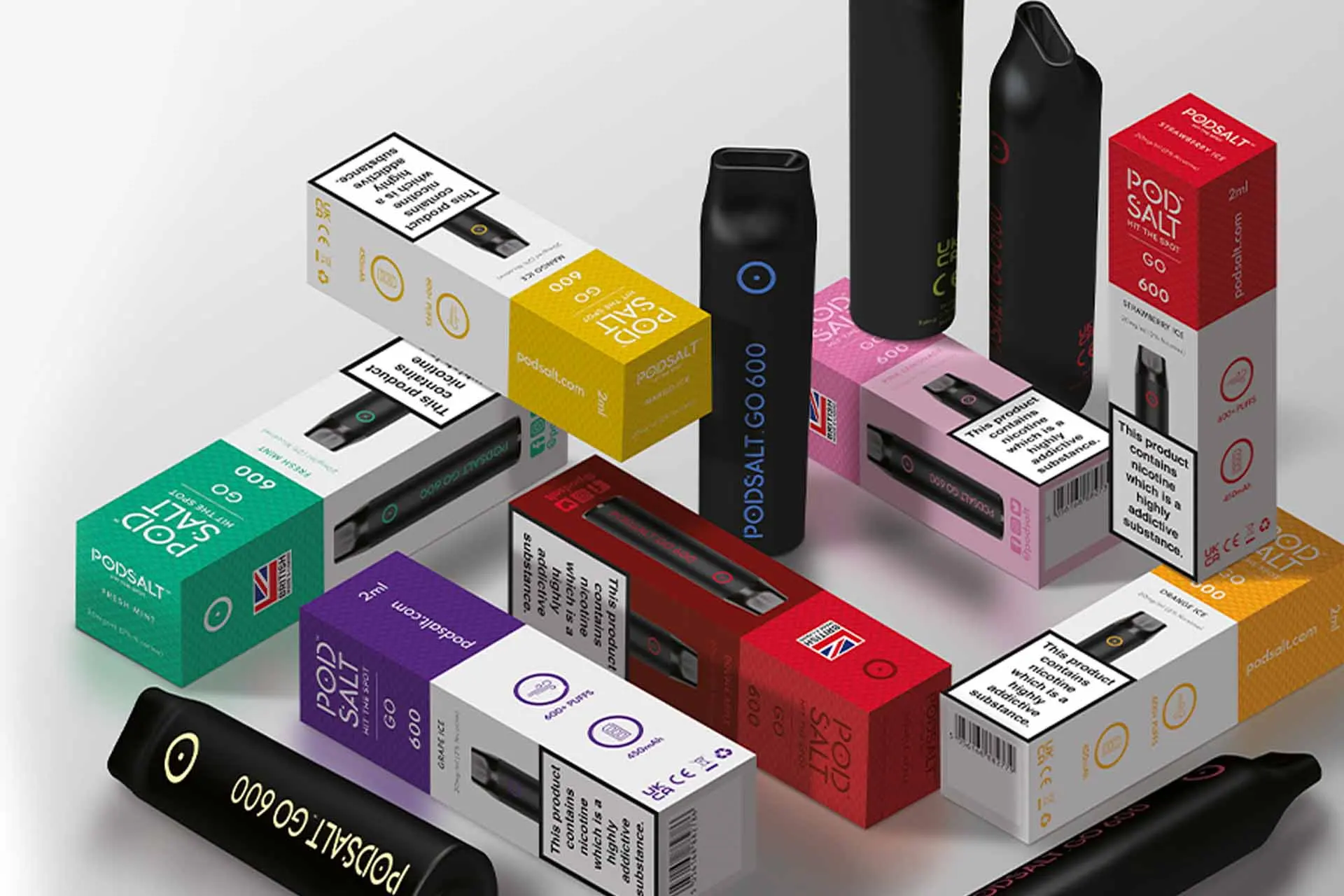
Yksi tärkeimmistä korjauksista vanhempiin vape-lainsäädäntöä käsitteleviin artikkeleihin on rajojen täsmällinen esittäminen. TabakerzG:n §14:n mukaan nikotiinia sisältävä täyttöpakkaus saa olla enintään 10 ml, kun taas nikotiinia sisältävä kertakäyttöinen sähkösavuke tai kertakäyttöpatruuna saa sisältää enintään 2 ml. Nikotiinin pitoisuus nesteessä saa olla enintään 20 mg/ml.
Siksi globaaleja tuotesivuja, joilla laitteille ilmoitetaan 10 ml, 20 ml, 30 ml tai suurempi nestemäärä, on tarkasteltava huolellisesti ennen kuin niitä pidetään Saksan vähittäismyyntiin soveltuvina. Valmistaja voi myydä eri markkinoille erilaisia kokoonpanoja. Saksan ulkopuolinen suurikapasiteettinen tuotesivu ei todista, että sama nestekokoonpano voidaan laillisesti myydä saksalaisille kuluttajille.
Jälleenmyyjän tulee tunnistaa täsmällinen SKU eikä vain brändi tai malliperhe. Tarkista säiliön tai patruunan kokoonpano, nikotiinipitoisuus, pakkauksen kieli, maahantuojan tai vastuullisen talouden toimijan tiedot, erätiedot ja markkina, jota varten pakkaus on tehty. Jos toimittajan sivulla väitetään tuotteen olevan ”TPD-yhteensopiva” ja samalla kuvataan nikotiinia sisältävä kertakäyttölaite, jonka säiliö on selvästi yli 2 ml, ristiriita on selvitettävä eikä markkinointiväitettä pidä hyväksyä sellaisenaan.
Lain sanamuoto löytyy kohdasta TabakerzG §14. Pitoisuuksien terminologiasta voi lukea nikotiinipitoisuuksia käsittelevästä oppaastamme; lakisääteisiä enimmäisrajoja ei pidä sekoittaa henkilökohtaiseen käyttösuositukseen.
3. Jäävätkö nikotiinittomat vape-tuotteet Saksan sääntöjen ulkopuolelle?
Eivät. Tämä on toinen yleinen vanhentuneen tiedon lähde. BVL selittää, että Saksa on laajentanut tupakkatuotteita koskevan sääntelyn soveltamisalaa siten, että asiaankuuluvat vaatimukset koskevat myös nikotiinittomia sähkösavukkeita ja täyttöpakkauksia. Alaikäisten suojelua koskevat säännöt ulottuvat nimenomaisesti myös nikotiinittomiin sähkösavukkeisiin ja e-shishoihin.
Velvollisuudet eivät ole kaikilta osin identtiset: esimerkiksi nikotiinia koskeva erityinen varoitus liittyy luonnollisesti nikotiinia sisältäviin tuotteisiin. Merkintää ”0 % nikotiinia” ei kuitenkaan saa pitää yleisenä vapautuksena Saksan tuote-, ilmoitus-, alaikäissuoja-, kemikaali- tai sähkölaitevaatimuksista.
4. Minkä ikäisenä Saksassa saa ostaa vape-tuotteen? 18 vuotta
Vähimmäisikä Saksassa on 18 vuotta. Jugendschutzgesetz §10 määrää, ettei tupakkatuotteita ja muita nikotiinia sisältäviä tuotteita saa julkisesti tarjota tai luovuttaa lapsille tai nuorille; rajoitukset ulottuvat myös nikotiinittomiin sähköisiin savukkeisiin ja sähköisiin vesipiippuihin.
Jälleenmyyjälle käytännön seuraus on selvä: iän tarkistamisen on toimittava varsinaisessa myyntiprosessissa eikä vain sivun alatunnisteessa tai ikäponnahdusikkunassa. BVL korostaa soveltuvaa iänvarmistusjärjestelmää rajat ylittävässä etämyynnissä. Verkkokaupan kannattaa käsitellä checkout, tilausten käsittely ja luovutus yhtenä kytkettynä valvontaprosessina.
Älä esitä sisäistä käytäntöä kuten ”tarkista henkilöllisyys, jos asiakas näyttää alle 25-vuotiaalta” lainmukaisena ikärajana. Sisäinen politiikka voi olla tiukempi, mutta lakisääteinen myyntiraja on 18 vuotta.
5. EU-CEG-ilmoitus: kuusi kuukautta ennen uuden tuotteen markkinoille saattamista
BVL:n mukaan sekä nikotiinia sisältäviin että nikotiinittomiin sähkösavukkeisiin ja täyttöpakkauksiin liittyy ilmoitusvelvollisuus. Uusi tuote on yleensä ilmoitettava EU Common Entry Gate -järjestelmän (EU-CEG) kautta kuusi kuukautta ennen sen saattamista Saksan markkinoille.
Ilmoituksen tekee tavallisesti valmistaja tai maahantuoja, mutta jälleenmyyjällä on silti oltava dokumentoitava prosessi uusien tuotteiden käyttöönottoon. Luettelon tuotetunnisteen pitäisi vastata vähintään tosiasiallisesti vastaanotettua tuotetta ja pakkausta. Jälleenmyyjän on pystyttävä erottamaan Saksan markkina-SKU visuaalisesti samankaltaisesta globaalista versiosta eikä brändin nimeä pidä pitää riittävänä todisteena.
Hyödylliset tarkistukset ennen uuden vape-SKU:n lisäämistä
- Vahvista täsmällinen valmistaja, malli ja versio.
- Kirjaa nikotiinipitoisuus ja säiliön/täytön tilavuus fyysisestä pakkauksesta.
- Tarkista tarvittaessa saksankieliset kuluttajatiedot ja pakolliset varoitukset.
- Vahvista vaaditut tiedot EU:ssa sijaitsevasta valmistajasta/maahantuojasta tai vastuullisesta talouden toimijasta.
- Pyydä toimittajalta juuri kyseiseen tuotteeseen liittyvä ilmoitus- tai tuotetunnistetodiste sen sijaan, että hyväksyisit yleisen väitteen ”rekisteröity”.
- Säilytä laskut, toimittajatiedot ja erätunnisteet, jotta verkkolistauksen voi jäljittää tosiasiassa vastaanotettuun tavaraan.
Tuoteilmoitusten yksityiskohdat löytyvät BVL:n yrityksille tarkoitetusta sähkösavukkeiden ja täyttöpakkausten FAQ:sta.
6. Rajat ylittävä verkkokauppa Saksaan
Rajat ylittävä etämyynti tuo lisää vaatimuksia. BVL:n mukaan toisesta maasta suoraan tai verkossa Saksaan myyvän yrityksen on sovellettavassa järjestelmässä rekisteröidyttävä toimivaltaiselle viranomaiselle omassa EU-jäsenvaltiossaan ja tarvittaessa myös toimivaltaiselle Saksan viranomaiselle. Sopivan iänvarmistusjärjestelmän on varmistettava, että tuotteita tarjotaan ja luovutetaan vain lakisääteisen vähimmäisiän saavuttaneille asiakkaille.
Tämä on tärkeää tukkumyyjille, markkinapaikoille ja fulfilment-kumppaneita käyttäville kaupoille. Teknisesti vaatimustenmukainen tuote ei automaattisesti tee rajat ylittävästä myyntiprosessista vaatimustenmukaista. Sekä tuotelainsäädäntö että myyntikanava on tarkistettava erikseen.
7. Vape-vero Saksassa vuonna 2026: 0,32 € per ml
Saksa verottaa ”tupakkatuotteiden korvikkeita” nesteen tilavuuden perusteella Tabaksteuergesetzin nojalla. §2 vahvistaa 1.1.2026 alkaen veroksi 0,32 € millilitralta, kun vuonna 2025 vero oli 0,26 €/ml. Verokäsite on laajempi kuin pelkkä ”nikotiinivero”: lainsäädännön luokka koskee tuotteita, jotka soveltuvat laitteen tuottaman aerosolin tai höyryn kuluttamiseen, lain määritelmät ja poikkeukset huomioon ottaen.
| Ajanjakso | Tupakkatuotteiden korvikkeiden valmisteverokanta |
|---|---|
| 1.7.2022–31.12.2023 | 0,16 €/ml |
| 1.1.–31.12.2024 | 0,20 €/ml |
| 1.1.–31.12.2025 | 0,26 €/ml |
| 1.1.2026 alkaen | 0,32 €/ml |
Nykyinen verokanta on kohdassa TabStG §2. Toisesta jäsenvaltiosta tuovien tai ostavien jälleenmyyjien ei pidä olettaa, että pelkkä toimittajan lasku osoittaa Saksan valmisteverotilanteen; veromerkit, siirtosäännöt ja vastuu voivat riippua toimitusketjusta. Liiketoimintamallista riippuen veroneuvonta voi olla aiheellista.
8. Mainonnan ja markkinoinnin rajoitukset
Saksa rajoittaa merkittävästi sähkösavukkeiden ja täyttöpakkausten mainontaa. Vanhemmat artikkelit yksinkertaistavat tilanteen usein väitteeseen ”kaikki verkkomainonta on kielletty” tai päinvastoin olettavat, että kaikki jälleenmyyjän omalla sivustolla on sallittua. Kumpikaan oikotie ei ole hyvä compliance-menetelmä.
Jälleenmyyjän kannattaa erottaa verkkokaupan toimintaan tarvittava asiallinen tuotetieto maksetusta promootiosta, sponsoroinnista, rajat ylittävästä mainonnasta, ulkomainonnasta ja nuoriin vetoavasta materiaalista. TabakerzG sisältää asiaankuuluvia rajoituksia, ja sähkösavukkeiden ulkomainonnan säännöt ovat olleet voimassa vuodesta 2024. Väitteet siitä, että vape olisi vaaraton, terveellinen tai lääketieteellisesti hyödyllinen, aiheuttavat lisäksi selviä compliance- ja kuluttajansuojariskejä.
Siksi tässä artikkelissa käytetään ostokehotusten sijaan neutraalia sääntelykieltä. Tavoitteena on vastata hakuihin aiheesta sähkösavukesäännöt Saksassa eikä muuttaa lakiohjetta mainokseksi.
9. Missä Saksassa saa höyrytellä?
Liittovaltion tupakoimattomien suojelua koskeva laki sisältää nyt nimenomaisesti sähköiset savukkeet. Kohdan Bundesnichtraucherschutzgesetz §1mukaan höyryttely kuuluu tupakointikiellon piiriin soveltuvissa liittovaltion tiloissa, julkisessa henkilöliikenteessä ja matkustajaliikenteen rautatieasemilla ottaen huomioon suljettuja tiloja ja osoitettuja tupakointihuoneita tai -alueita koskevat säännöt.
Tämä liittovaltion laki ei anna täydellistä vastausta jokaiseen ravintolaan, baariin, toimistoon, stadioniin tai muuhun paikalliseen kohteeseen. Saksan osavaltioilla on omia tupakoimattomien suojelua koskevia lakejaan, ja tilojen ylläpitäjät voivat asettaa omia sääntöjä. Tarkista siksi tietyn paikan sääntö sen sijaan, että soveltaisit yhtä valtakunnallista lausetta kaikkiin sisä- ja ulkotiloihin.
Erillinen oppaamme höyryttelystä julkisilla paikoilla keskittyy etikettiin ja paikkakohtaisiin sääntöihin eikä tuotteen markkinakelpoisuuteen.
10. Ovatko kertakäyttöiset vape-laitteet laillisia Saksassa vuonna 2026?
18.8.2026 tilanteessa emme ole vahvistaneet jo voimaan tullutta valtakunnallista yleiskieltoa, joka kieltäisi kaiken kertakäyttöisten sähkösavukkeiden vähittäismyynnin. Kertakäyttötuotteiden rajoittamisesta tai kieltämisestä käydään kuitenkin aktiivista poliittista prosessia, ja tämä alue voi muuttua nopeammin kuin vakaammat tuotesäännöt.
Erottelu on tärkeä hakujen kuten ”sähkösavukkeet Saksassa”, ”ovatko vapet kielletty Saksassa?” tai ”ovatko kertakäyttöiset vapet laillisia Saksassa?” kannalta. Poliittinen ilmoitus kiellon valmistelusta ei ole sama asia kuin hyväksytty laki, jolla on voimaantulopäivä. Samalla ”ei yleisesti kielletty tänään” ei tarkoita, että mikä tahansa globaalin verkkosivun kertakäyttölaite voitaisiin myydä laillisesti Saksassa. Täsmällisen SKU:n on edelleen täytettävä Saksan nykyiset vaatimukset nikotiinin määrän ja pitoisuuden, ilmoituksen, alaikäissuojan, verotuksen ja sähkölaitevelvoitteiden osalta.
Jälleenmyyjien kannattaa tarkistaa oikeudellinen status uudelleen ennen suuria varastopäätöksiä, koska politiikka kehittyy. Liittovaltion ympäristöministeriö on julkisesti kannattanut tulevaa kieltoa, samalla kun nykyinen 2026 järjestelmä laajentaa takaisinottovelvollisuuksia.
11. Uusi käytettyjen sähkösavukkeiden takaisinottovelvollisuus vuonna 2026
Ympäristövaatimusten noudattaminen on nyt keskeinen vähittäiskaupan kysymys. Saksa muutti Elektro- und Elektronikgerätegesetzia (ElektroG), ja siirtymäsääntö edellytti sääntöjen piiriin kuuluvia sähkösavukkeiden ja kuumennettavien tupakkalaitteiden jakelijoita perustamaan palautuspisteet 30.6.2026 mennessä. Liittovaltion ympäristöministeriön mukaan kuluttajat voivat 1.7.2026 alkaen palauttaa käytettyjä kertakäyttöisiä sähkösavukkeita sääntöjen piiriin kuuluvissa myyntipisteissä, kuten kioskeissa, huoltoasemilla ja vape-kaupoissa, ilman uuden laitteen ostamista.
Käytännön viesti on yksinkertainen: kertakäyttöinen vape sisältää elektroniikkaa ja akun, eikä se kuulu sekajätteeseen. Jälleenmyyjän compliance-prosessin tulisi kattaa myynnin lisäksi keräys, asiakkaiden informointi ja turvallinen jatkokäsittely. Katso liittovaltion ympäristöministeriön vuoden 2026 takaisinotto-ohjeet. Siirtymäaika on määritelty kohdassa ElektroG §46.
12. Compliance-tarkistuslista jälleenmyyjille Saksassa
- Tunnista täsmällinen SKU. Älä ota tuotetta valikoimaan vain yleisen malliperheen nimen tai toimittajan pääkuvan perusteella.
- Tarkista nikotiini ja nestemäärä. Sovella nikotiinituotteisiin oikein rajoja 20 mg/ml, 2 ml kertakäyttöisille tuotteille/patruunoille ja 10 ml täyttöpakkauksille.
- Tarkista Saksan markkinoille tarkoitettu pakkaus. Tarkista varoitukset, ohjeet, vastuullisen toimijan tiedot ja muut pakolliset tiedot.
- Vahvista ilmoitusstatus. Yhdistä toimitettu tuote täsmälliseen EU-CEG-identiteettiin/dokumentaatioon sen sijaan, että luottaisit yleiseen brändiväitteeseen.
- Vahvista iän tarkistusmenettelyt. Myymälän, verkkokassan, fulfilmentin ja toimituksen on kaikkien tuettava 18+ sääntöä.
- Tarkista rajat ylittävä rekisteröinti. Tee tämä ennen suoraa myyntiä toisesta oikeusalueesta Saksan kuluttajille.
- Tarkista valmisteveron käsittely. Vuoden 2026 vero on 0,32 €/ml; vahvista todellisen toimitusketjun verovastuu ja veromerkintävaatimukset.
- Tarkista markkinointi. Pidä tuotetiedot asiallisina ja vältä kiellettyjä kanavia, alaikäisiin vetoamista ja terveysväitteitä.
- Järjestä sähköjätteen takaisinotto. Jos myyntipisteesi kuuluu vuoden 2026 ElektroG-velvollisuuden piiriin, ylläpidä vaadittua keräys- ja informointiprosessia.
- Seuraa kertakäyttötuotteita koskevaa poliittista prosessia. Tuleva kielto voi muuttaa hankintapäätöksiä, vaikka nykyinen varasto täyttäisi tämänhetkiset säännöt.
13. Varoitusmerkkejä ”Saksaan sopivaksi” väitetyssä vape-tarjouksessa
- Nikotiinia sisältävää kertakäyttölaitetta markkinoidaan samaan aikaan ”TPD-yhteensopivana” ja yli 2 ml:n kertakäyttösäiliöllä ilman selitystä erillisestä vaatimustenmukaisesta kokoonpanosta.
- Sivu näyttää vain globaaleja nikotiinivaihtoehtoja kuten 3 % tai 5 % ja väittää samalla saman laitteen olevan Saksan vähittäismyyntiin tarkoitettu versio.
- Täsmällisiä malli/SKU-, maahantuoja- tai vastuullisen toimijan tietoja ei pystytä toimittamaan.
- Toimittaja näyttää sertifiointilogon kuvakaappauksen jäljitettävän tuotedokumentaation sijaan.
- Kuvien saksankielinen pakkaus ei vastaa tosiasiassa toimitettua tavaraa.
- Myyjä käsittelee nikotiinittomia tuotteita ikään kuin ne olisi vapautettu kaikista Saksan ilmoitus- tai alaikäissuojavaatimuksista.
- Hinta vaikuttaa poikkeuksellisen alhaiselta, koska Saksan valmisteverotilanne on epäselvä.
Hyödyllinen sisäinen vertailu on paikallisten vaping-sääntöjen tarkistusoppaamme. Tekniset huoltoaiheet tulee pitää erillisillä sivuilla, esimerkiksi vape-coilien tyyppejä käsittelevässä oppaassamme; vianetsinnän, myynnin ja Saksaa koskevan oikeudellisen hakuaikeen yhdistäminen yhteen artikkeliin heikentää aiheen omistajuutta.
14. Video: riippumaton saksalainen kuluttajansuojan näkökulma
Saksan liittovaltion riskinarviointilaitos BfR on julkaissut sähkösavukkeita koskevan kuluttajansuojan videosarjan ja foorumimateriaalia. Alla oleva soittolista on mukana terveys- ja sääntelykontekstin vuoksi, ei tuotesuosituksena eikä tämän artikkelin oikeudellisten rajojen lähteenä. Oikeussääntöjen osalta käytä yllä linkitettyjä lakeja ja viranomaislähteitä.
15. Usein kysytyt kysymykset vapingista Saksassa
Ovatko vapet kielletty Saksassa?
Eivät. Kaikkia sähkösavukkeita koskevaa yleistä valtakunnallista kieltoa ei ole. Vapet ovat säänneltyjä tuotteita. Tietyn tuotteen markkinoille saattaminen tai myynti voi silti olla laitonta, jos se ei täytä sovellettavia tuote-, ilmoitus-, vero-, alaikäissuoja- tai muita vaatimuksia.
Ovatko kertakäyttöiset vapet laillisia Saksassa?
18.8.2026 tilanteessa jo voimassa olevaa valtakunnallista yleiskieltoa ei ole vahvistettu, mutta mahdollinen tuleva kielto on aktiivinen poliittinen kysymys. Kertakäyttötuotteen on silti täytettävä Saksan nykyiset säännöt. Nikotiinia sisältävissä kertakäyttöisissä sähkösavukkeissa tai patruunoissa nestemäärä on rajoitettu 2 ml:aan ja nikotiini 20 mg/ml:aan.
Kuinka vanha pitää olla ostaakseen vape-tuotteen Saksassa?
Vähintään 18-vuotias. Saksan alaikäissuoja koskee myös nikotiinittomia sähkösavukkeita ja e-shishoja.
Mikä on vape-tuotteiden nikotiiniraja Saksassa?
TabakerzG §14:n soveltamaan nikotiinia sisältävään sähkösavukenesteeseen sovelletaan enintään 20 mg/ml nikotiinipitoisuutta.
Voidaanko 5 % nikotiinia sisältävä kertakäyttöinen vape myydä laillisesti Saksassa?
5 %:n merkintä vastaa ilmaisutavasta riippuen tavallisesti noin 50 mg/ml:aa, mikä ylittää nikotiininesteen lakisääteisen 20 mg/ml enimmäisrajan. Jälleenmyyjän on tarkistettava täsmällisen SKU:n todellinen pitoisuus eikä muutettava markkinointiprosenttia kritiikittä.
Mikä on vape-vero Saksassa vuonna 2026?
Tupakkatuotteiden korvikkeiden valmistevero on TabStG §2:n mukaan 0,32 € millilitralta 1.1.2026 alkaen.
Pitääkö nikotiinittomat vapet ilmoittaa EU-CEG:hen Saksassa?
BVL:n mukaan ilmoitusvelvollisuus koskee myös nikotiinittomia sähkösavukkeita ja täyttöpakkauksia, ja uusi tuote ilmoitetaan kuusi kuukautta ennen markkinoille saattamista.
Saako Saksan junissa ja rautatieasemilla höyrytellä?
Liittovaltion tupakoimattomien suojelua koskeva laki sisällyttää sähköiset savukkeet nimenomaisesti julkisen henkilöliikenteen ja matkustaja-asemien kieltoon ottaen huomioon suljettuja tiloja ja osoitettuja tupakointialueita koskevat säännöt.
Saavatko Saksan vape-kaupat heittää kertakäyttölaitteet tavalliseen roskiin?
Käytetyt sähkösavukkeet ovat sähköjätettä ja sisältävät akkuja. Vuoden 2026 ElektroG-muutokset laajentavat jälleenmyyjien takaisinottoa, ja liittovaltion ympäristöministeriö toteaa nimenomaisesti, että käytetyt kertakäyttöiset sähkösavukkeet tulee palauttaa asianmukaisiin keräyskanaviin eikä sekajätteeseen.
16. Lähteet ja toimituksellinen menetelmä
Tässä päivityksessä etusijalla ovat ensisijaiset Saksan laki- ja viranomaislähteet: Tabakerzeugnisgesetz tuoterajoille, Jugendschutzgesetz alaikäisten pääsylle, BVL:n ohjeet EU-CEG:stä ja rajat ylittävästä myynnistä, Tabaksteuergesetz vuoden 2026 verokannalle, Bundesnichtraucherschutzgesetz liittovaltion käyttörajoituksille sekä ElektroG/liittovaltion ympäristöministeriö vuoden 2026 takaisinottovelvollisuuksille. EU-direktiivi 2014/40/EU on edelleen nikotiinia sisältävien sähkösavukkeiden ja täyttöpakkausten taustalla oleva EU-kehys.
Poistimme tarkoituksella perusteettomat väitteet siitä, että tietty tukkumyyjä, brändi tai tuote olisi ”täysin vaatimustenmukainen” ilman SKU-kohtaista näyttöä. Lisäksi poistimme vanhentunutta terminologiaa ja edellisen version tekoälyn vääristämiä korvaussanoja. Sääntely voi muuttua, erityisesti kertakäyttötuotteiden ehdotettujen rajoitusten osalta, joten yritysten tulee vahvistaa ajantasaiset vaatimukset toimivaltaiselta viranomaiselta tai pätevältä oikeudelliselta neuvonantajalta ennen tämän oppaan käyttämistä kaupalliseen päätökseen.
Toimituksellinen huomautus: viimeisin olennainen oikeudellinen tarkistus: 18.8.2026. Sivu on tarkoitettu aikuisille lukijoille ja yritysten compliance-tutkimukseen. Se ei kannusta nikotiinin käyttöön eikä korvaa oikeudellista tai veroneuvontaa.
Alan osaamispiste: Höyryn toimittamisen paradigman muutos
Viimeisimmät markkinatiedot osoittavat 22 prosentin siirtymän kohti laitteita, jotka käyttävät alle ohmin mesh-käämiarkkitehtuuria. Toisin kuin perinteiset johdinkokoonpanot, nykyaikaiset mesh-elementit tarjoavat suuremman pinnan lämmittää esitäytettyä kaavaa. Tämä johtaa parempaan lämpöjakeluun, estää kuivien osumien esiintymisen, pidentää akun tehokkuutta ja varmistaa tasaisen aistikuvan ensimmäisestä vetämisestä säiliön tyhjentymiseen asti.
1. Markkinadynamiikka ja sääntelyvaatimusten noudattaminen Euroopassa
Kertakäyttöisten vape-laitteiden jakelu Euroopan unionissa edellyttää standardoitujen valmistus- ja turvallisuusprotokollien tiukkaa noudattamista. Kaupallinen elinkelpoisuus on suoraan sidoksissa sääntelyn noudattamiseen. Valtuutettujen kanavien kautta jaeltavien laitteiden on täytettävä CE- (Conformité Européenne) ja RoHS-sertifiointien (Restriction of Hazardous Substances) vaatimukset. Nämä sertifioinnit edellyttävät, ettei elektroniikkakomponenteissa ole rajoitettuja raskasmetalleja ja että sisäiset litiumioniakut täyttävät tiukat lämpöstabiilisuusvaatimukset.\r\n\r\nLisäksi paikalliset määräykset asettavat tiukat rajat sisäisten säiliöiden kapasiteetille ja edellyttävät selkeitä kuluttajavaroituksia. Varmistamme, että koko kertakäyttöisten vape-laitteiden valikoimamme noudattaa näitä alueellisia sääntöjä, mikä pienentää tukkukumppaneidemme oikeudellisia ja toiminnallisia riskejä Saksassa, Belgiassa ja muualla EU:ssa.2. Empiirinen testaaminen ja laadunvarmistusmenetelmä
Perustaaksemme absoluuttisen luottamuksen ja luotettavuuden toimitamiin tuotteisiin, ELFVAPING luottaa tiukkaan, datalähtöiseen laadunvarmistuksen (QA) kehykseen. Emme yksinkertaisesti välitä valmistajan spesifikaatioita; validoimme ne empiiristen testausten protokollien kautta.Pneumaattinen vetosimulaatio
Käyttämällä automaattisia mekaanisia hengityssimulaattoreita, otamme 2% saapuneista eristä näytteitä mainostettujen puffien lukumäärien vahvistamiseksi. Laitteita testataan standardinmukaisessa ilmakehän paineessa, imemällä 50 ml höyryä 3 sekunnin välein, varmistamalla, että sisäinen kapasiteetti vastaa tarkasti valmistajan väitteitä.
Jännitteen säilymäanalyysi
Laitteistoomme integroidut litium-ioni-koboltti (LiCoO2) -akut käyvät läpi monivaiheisen yleismittaritestin. Mittaamme jännitehäviötä jatkuvan käytön aikana varmistaaksemme, että akku kestää optimaalisen wattilukeman, kunnes formula-varaaja on täysin tyhjentynyt.
Lämpöstabiilius ja vuodonesto
Laitteet altistetaan nopeille lämpötilavaihteluille (-10 °C - 45 °C) valvotuissa ympäristökomppuroissa kuljetusolosuhteiden simuloimiseksi. Tämä vahvistaa silikonitiivisteiden eheyyden, mikä takaa, ettei vuotoja esiinny ennen kuluttajan laatikon avaamista.
3. Elite-brändit, jotka määrittelevät Euroopan maisemaa
Strateginen hankinta vaatii yhteistyötä tuotemerkkien kanssa, jotka investoivat voimakkaasti tutkimukseen ja kehitykseen. Laitteiston maisemaa hallitsevat valmistajat, jotka asettavat etusijalle ergonomisen suunnittelun, edistyneen lämmityselementit ja tasaisen aromantuoton. Alla on analyysi korkeatasoisista kertakäyttöisistä vape-tuotemerkeistä, jotka ovat saatavilla irtotavarana ostettaviksi.Bang Box -sarja
Suurkapasiteettiset lähtömallit
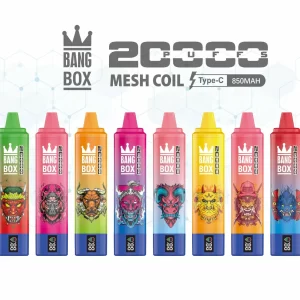
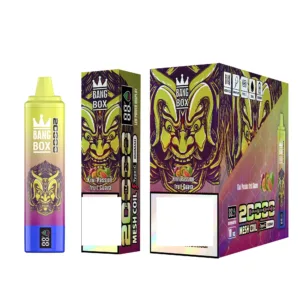
Suunniteltu pidennettyä käyttöikää varten, Bang Box -laitteet hyödyntävät integroituja ladattavia Type-C-liitäntöjä sekä 850mAh:n perussoluja. Heidän patentoimansa mesh-kelajärjestelmät toimivat 1,0 ohmin vastuksella, tuottaen tiheitä höyrykylmiä säilyttäen samalla niiden monimuotoisten aromiprofiilien eheys. Tämä malli on erittäin suositeltava kuluttajille, jotka etsivät pitkäikäisyyttä.
RandM Tornadi
Säädettävä Ilmavirta-Arkkitehtuuri
RandM Tornado erottuu muokattavilla pneumaattisilla säätimillä. Pyörivä peräventtiili mahdollistaa käyttäjille ilmanoton fyysisen rajoittamisen tai avaamisen, siirtäen laitetta saumattomasti Mouth-To-Lung (MTL) -tilasta Restricted Direct-Lung (RDL) -vetoon. Niiden RGB LED -aktivoitavat ilmaisimet toimivat myös akun terveyden diagnostisina työkaluina.
Elf Box
Tiivistetty Tehokkuusstandardi
Asettaen alan standardin muodolle, Elf Boxissa käytetään yksiosaaista polykarbonaattikoria, joka maksimoi sisäisen tilan formula- säiliölle säilyttäen erittäin kompaktin jalanjäljen. Älykkään laukaisuchipsetin powered, se toimittaa tarkan 3,6V lähtöjännitteen, varmistuen, että aistikas toteutus säilyy muuttumattomana jopa 10 prosentin akun kapasiteetilla.
4. Teknisten Spesifikaatioiden Vertailu
Varastonhoitajille, jotka arvioivat eri kertakäyttöisten höyrystimien teknisiä ansioita, seuraava matriisi hahmottelee ydininsinööriparametrit, jotka määräävät laitteen suorituskyvyn ja kuluttajien tyytyväisyyden.5. Bulkkilähdeostojen taloustiede ELFVAPINGilla
Toimitusketjun tehokkuus on kannattavan vähittäiskaupan perusta. Keskittymällä hankintastrategiaasi ELFVAPINGin kautta, vähittäiskauppiaat avaavat merkittäviä logistisia ja taloudellisia etuja. Olleessamme johtava viranomainen ja suurin online- tukkukauppa-alusta hävytettävistä vapeista Alankomaissa, Saksassa, Belgiassa, Ranskassa, Portugalissa, Espanjassa, Puolassa ja Tanskassa, olemme optimoineet tuontia ja jakelureittejä.Optimoi vähittäiskaupan varastoasi tänään
Yhteistyö johtavan eurooppalaisen jakelijan kanssa. Varmista huippuluokan laitteisto, hyödynnä poikkeukselliset laadunvarmistusprosessimme ja hyödynnä erittäin kilpailukykyisiä tukkumyyntihintoja.
Osta tukkumyyntiä varten hävytettävissä olevia vapeja keskitetystä alustastamme ELFVAPING.
6. Kestävän Kehityksen Protokollat ja Ympäristövastuu
Suurteollisuuden elektroniikan lisääntyminen edellyttää tiukkaa lähestymistapaa ympäristönhoidolle. Modernit hävytyskelvottomat höyrystinmerkit suunnittelevat yhä enemmän laitteistoaan Euroopan unionin sähkö- ja elektroniikkaromun (WEEE) -direktiivin mukaisesti. ELFVAPING edistää yksinomaan valmistajia, jotka toteuttavat kestävän suunnittelun valintoja. Tämä sisältää siirtymisen kohti biohajoavia ulkopuolisia polymeerejä ja modulaarisia sisäisiä arkkitehtuureja, jotka sallivat erikoistuneiden kierrätyslaitosten helposti poimia litium-ioni-virtalähteet kuparista ja rakenneplasteista. Loppukuluttajien kouluttaminen asianmukaisiin hävityskanaviin on edelleen kriittinen vastuu EU:n vähittäismyyjille.7. Asiantuntijoiden usein kysymät: Hävytettävien höyrystimien hankinnan navigointi
QMikä on vähimmäistilausmäärä (MOQ) jolla aktivoidaan tukkukauppatili?
ELFVAPINGilla olemme jäsennelleet hankintamallimme kaikenkokoisten yritysten tukemiseksi. Meidän vähimmäistilausmäärä on asetettu poikkeuksellisen edulliseksi 10 kappaleeksi. Tämä mahdollistaa nopean varaston monipuolistamisen ja paikallisten markkinoiden testaamisen.
QMitkä alueet ovat täysin tukettuja logistisella verkostollanne?
Toimimme ensisijaisena tukkukauppapaikkana, joka palvelee erityisesti Alankomaita, Saksaa, Belgiaa, Ranskaa, Portugali, Espanjaa, Puolaa ja Tanskaa. Paikalliset maksuyhdyskäytävät (kuten iDEAL Alankomaissa ja Bancontact Belgiassa) mahdollistavat sujuvat transaktiot.
QMiten varmistat toimitettavien laitteiden teknisen luotettavuuden?
Vankka laadunvarmistusohjelmamme sisältää eräkohtaisen näytteenoton pneumaattisilla vetosimulaattoreilla, monimittaristen diagnostiikkien akun terveyden tarkastamiseksi ja lämpöstabiilisuustarkastukset. Tämä varmistaa, että jokainen tuote toimii täsmälleen mainostettujen teknisten spesifikaatioiden mukaisesti.
QOnko olemassa skaalautuvia hinnoittelumalleja suurempiin hankintoihin?
Kyllä, vaikka vähimmäistilausmäärä (MOQ) alkaa 10 yksiköstä, automaattinen porrastettu hinnoittelualgoritmi soveltaa merkittäviä alennuksia tilausvolyymin kasvaessa, mikä varmistaa suurten jakelijoiden vähittäishinnan maksimoinnin.
40 000 Puff Vapea
WASPE AIVIOU 40000 Pahvapuhallusta Kaksoismaku LED-Näyttö Irtotavarana Ostettavia Ladattavia Hävytettävä Sähköhöyrykkeitä Tukku
20000 Puff Vapet
Bang Box 20000 Puffs Vape Ladattava Irta Vape Tukku Ostaa Hävytettävä Vape Tukkumyynti
60 000 Puff Vapea
WASPE AIVIOU 60000 Pahvapuhallusta 3 Maku 1 LED Näyttö Irtotavarana Ostettavia Ladattavia Hävytysvapeja Tukku
15 000 Puff Vapea
RandM Tornado 15000 Puffia Irtaostot Uudelleenladattavat Hävytettävät Vape Tukku
100000 vedon vapet
BANG JOHTAJA STOLL 100K Neljä Maku 100000 Pahvapuuska Quad Mesh Coil Hävytettävät Vape Tukkumyynti Irtotavarana Ostaa
100000 vedon vapet
WASPE Neljä Maku 100K Puffs Bulkkia Osta Ladattavat Hävytettävät Vape Tukku
18 000 Puff Vapea
JNR Falcon X 18000 Puffs Dual Mesh Digitaalinen Näyttö Irtotavarana Ostaa Ladattavat Hävytettävät Vapes Tukkumyynti
20000 Puff Vapet
Gazzbar Rocket 20000 Puffs Dual Mesh LED-näyttö Irtonaisten ostojen ladattavat, hävitettävät Vapes-tukkukauppa