























Blogul ElfVaping, Știri despre vape
Vaping în Germania 2026: TPD, vârstă, taxe și reguli pentru comercianți
Răspuns rapid: Produsele de vaping sunt reglementate în Germania, însă vapingul în sine nu este interzis în mod general. În 2026, comercianții trebuie să separe trei întrebări care sunt adesea confundate: dacă o anumită configurație de produs poate fi introdusă pe piața germană, dacă poate fi vândută unui anumit client și unde poate fi utilizată. Pentru țigările electronice de unică folosință și cartușele de unică folosință cu nicotină, legea germană limitează rezervorul la 2 ml și concentrația de nicotină la 20 mg/ml; recipientele de reumplere cu nicotină sunt limitate la 10 ml. Vânzarea este permisă numai persoanelor de 18 ani și peste, se aplică regulile de notificare EU-CEG, acciza din 2026 pentru înlocuitorii produselor din tutun este de 0,32 € pe ml, iar din 1 iulie 2026 punctele de vânzare vizate trebuie să preia țigările electronice uzate conform regulilor modificate pentru echipamente electrice.
Acest ghid explică legile privind vapingul în Germania din perspectiva comercianților și a conformității. A fost revizuit substanțial la 18 august 2026 pe baza legislației germane actuale și a îndrumărilor autorităților federale. Are caracter informativ, nu reprezintă consultanță juridică și nu certifică nicio SKU concretă ca fiind conformă.
| Subiect | Regula din Germania în 2026 | Implicație pentru comercianți |
|---|---|---|
| Vârsta minimă | 18+ | Nu oferiți și nu furnizați țigări electronice copiilor sau adolescenților; regula de protecție a minorilor acoperă și țigările electronice fără nicotină. |
| Concentrația de nicotină | Maximum 20 mg/ml | Verificați produsul exact și ambalajul destinat pieței germane, nu doar o pagină globală a furnizorului. |
| Rezervor de dispozitiv/cartuş de unică folosință cu nicotină | Maximum 2 ml | O configurație globală de unică folosință cu capacitate mare nu poate fi presupusă automat ca fiind legală pentru retailul german. |
| Recipient de reumplere cu nicotină | Maximum 10 ml | Verificați împreună volumul flaconului și concentrația de nicotină. |
| Notificarea produsului | Notificare EU-CEG, în general cu șase luni înainte de prima introducere pe piață | Producătorii/importatorii au obligația de notificare; comercianții ar trebui să obțină suficiente date de identificare și documente pentru a evita SKU-uri nenotificate sau care nu corespund versiunii declarate. |
| Acciză | 0,32 €/ml de la 1 ianuarie 2026 pentru înlocuitori ai produselor din tutun | Statutul fiscal este un control separat de conformitate față de limitele de produs din cadrul TPD. |
| Utilizarea în public | Restricțiile federale includ expres țigările electronice în instituțiile federale vizate, transportul public de pasageri și gările pentru pasageri | Legislația landurilor, zonele desemnate și regulile interne pot adăuga restricții suplimentare. |
| Preluarea dispozitivelor uzate | Obligația extinsă de preluare de către comercianți se aplică din 1 iulie 2026 | Punctele de vânzare vizate trebuie să aibă un punct de returnare conform și informații pentru clienți. |
| Interzicerea țigărilor electronice de unică folosință | La 18 august 2026 nu este în vigoare o interdicție națională generală de vânzare cu amănuntul pe care să o fi putut verifica | Nu confundați proiectele legislative sau anunțurile politice cu legea deja aplicabilă; urmăriți modificările. |
1. Ce legi reglementează vapingul în Germania?
Cadrul german pentru țigările electronice combină normele UE cu legislația națională. Directiva UE privind produsele din tutun, Directiva 2014/40/UE, a stabilit regulile de bază pentru țigările electronice și recipientele de reumplere cu nicotină. Germania a implementat aceste cerințe prin Tabakerzeugnisgesetz (TabakerzG) și Tabakerzeugnisverordnung (TabakerzV). Oficiul Federal pentru Protecția Consumatorilor și Siguranța Alimentelor (BVL) menționează de asemenea că, din 2021, Germania a extins anumite cerințe din legislația tutunului la țigările electronice și lichidele de reumplere fără nicotină.
Prin urmare, un comerciant nu poate răspunde la întrebarea „este acest vape legal în Germania?” uitându-se doar la numărul de pufuri sau la procentul de nicotină. Compoziția, volumul rezervorului, starea notificării, ambalajul, etichetarea, verificarea vârstei, taxele și obligațiile privind deșeurile electrice sunt niveluri diferite ale aceleiași evaluări de conformitate. Pentru o explicație mai amplă a relației dintre normele naționale și cele UE, consultați ghidul nostru privind cadrul juridic al vapingului.
Una dintre principalele surse juridice este Legea germană privind produsele din tutun (TabakerzG). BVL publică și un FAQ oficial pentru companii despre țigările electronice.
2. Limitele de 2 ml, 10 ml și 20 mg/ml: ce înseamnă în realitate
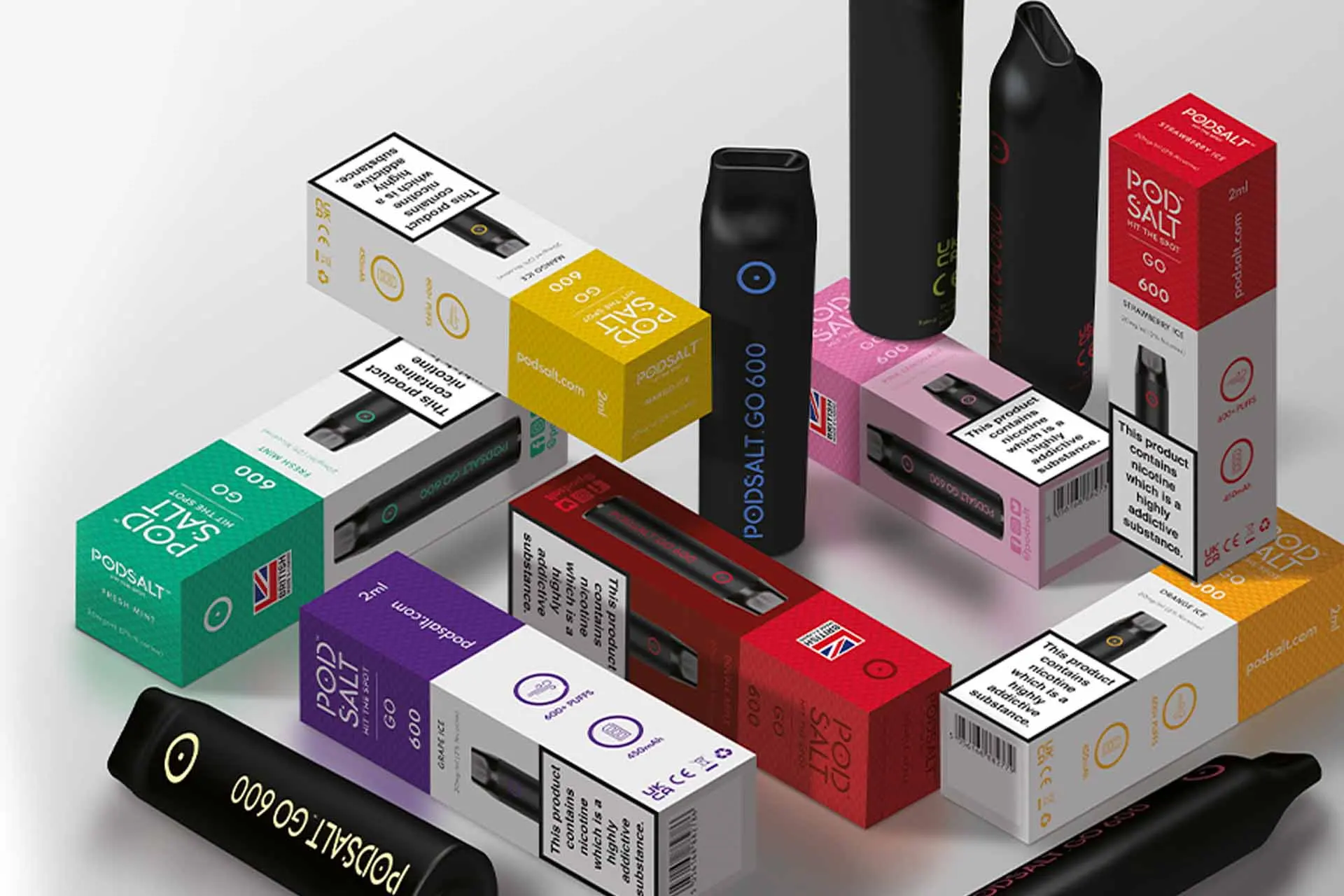
Una dintre cele mai importante corecții față de articolele mai vechi despre legislația vape este prezentarea exactă a limitelor. §14 din TabakerzG prevede că recipientele de reumplere cu nicotină pot avea cel mult 10 ml, iar țigările electronice de unică folosință sau cartușele de unică folosință cu nicotină pot avea cel mult 2 ml. Lichidul cu nicotină nu poate depăși 20 mg/ml.
De aceea, ofertele globale pentru dispozitive prezentate cu 10 ml, 20 ml, 30 ml sau capacități mai mari trebuie verificate atent înainte de a fi tratate drept produse pentru retailul german. Un producător poate vinde configurații diferite pe piețe diferite. O pagină de produs cu capacitate mare din afara Germaniei nu dovedește că aceeași configurație de lichid poate fi vândută legal consumatorilor germani.
Comercianții trebuie să identifice SKU-ul exact, nu doar marca și familia modelului. Verificați configurația rezervorului/cartuşului, concentrația de nicotină, limba ambalajului, datele importatorului sau operatorului economic responsabil, informațiile despre lot și piața pentru care a fost produs ambalajul. Dacă o pagină a furnizorului spune „conform TPD” și în același timp descrie un dispozitiv de unică folosință cu nicotină și rezervor mult peste 2 ml, contradicția trebuie clarificată, nu acceptată ca afirmație de marketing.
Textul legal este disponibil în TabakerzG §14. Pentru terminologia privind concentrația, consultați ghidul nostru despre nivelurile de nicotină; limitele legale nu trebuie confundate cu o recomandare personală de utilizare.
3. Vape-urile fără nicotină sunt în afara legislației germane?
Nu. Aceasta este o altă sursă frecventă de informații depășite. BVL explică faptul că Germania a extins domeniul cadrului privind produsele din tutun astfel încât și țigările electronice și recipientele de reumplere fără nicotină să fie vizate de cerințe relevante. Regulile de protecție a minorilor se extind expres și la țigările electronice și e-shisha fără nicotină.
Obligațiile nu sunt identice în fiecare detaliu: de exemplu, un avertisment specific nicotinei este legat în mod logic de produsele care conțin nicotină. Dar „0% nicotină” nu trebuie tratat niciodată ca o scutire generală de regulile germane privind produsele, notificarea, protecția minorilor, siguranța chimică sau echipamentele electrice.
4. De la ce vârstă se poate cumpăra un vape în Germania? 18 ani
Vârsta minimă în Germania este 18 ani. Jugendschutzgesetz §10 prevede că produsele din tutun și alte produse cu nicotină nu pot fi oferite sau furnizate în public copiilor ori adolescenților; restricțiile se extind și la țigările electronice și shisha electronice fără nicotină.
Pentru comercianți, consecința practică este clară: verificarea vârstei trebuie să funcționeze în procesul real de vânzare, nu doar într-un footer sau popup. BVL subliniază necesitatea unui sistem adecvat de verificare a vârstei pentru vânzările transfrontaliere la distanță. Un magazin online ar trebui să trateze checkout-ul, procesarea și predarea coletului ca pe un singur proces de control.
Nu prezentați o regulă internă de tipul „verifică actul dacă persoana pare sub 25 de ani” ca fiind pragul legal. Procedurile interne pot fi mai stricte, dar limita legală de vânzare este 18 ani.
5. Notificarea EU-CEG: cu șase luni înainte de introducerea unui produs nou pe piață
BVL precizează că atât țigările electronice și recipientele cu nicotină, cât și cele fără nicotină sunt supuse obligațiilor de notificare. Pentru un produs nou, notificarea este în general necesară cu șase luni înainte de introducerea pe piața germană prin EU Common Entry Gate (EU-CEG).
Notificarea este efectuată în mod normal de producător sau importator, însă comercianții au nevoie în continuare de un proces documentabil pentru introducerea produselor noi. Identitatea produsului din catalog trebuie să corespundă cel puțin cu marfa și ambalajul primite efectiv. Un comerciant trebuie să poată diferenția o SKU pentru piața germană de o versiune globală vizual similară, fără a considera doar numele mărcii drept dovadă suficientă.
Verificări utile înainte de listarea unei SKU noi de vape
- Confirmați producătorul exact, modelul și varianta.
- Înregistrați concentrația de nicotină și volumul rezervorului/recipientului de pe ambalajul fizic.
- Verificați, acolo unde este necesar, existența informațiilor pentru consumatori în germană și a avertismentelor obligatorii.
- Confirmați datele necesare privind producătorul/importatorul din UE sau operatorul economic responsabil.
- Solicitați furnizorului dovezi de notificare sau identificare pentru produsul concret, în loc să acceptați o afirmație generică precum „înregistrat”.
- Păstrați facturile, datele furnizorului și identificatorii de lot pentru ca listarea să poată fi legată de marfa efectiv primită.
Pentru detalii despre notificare consultați FAQ-ul BVL pentru companii privind țigările electronice și recipientele de reumplere.
6. Vânzări online transfrontaliere către Germania
Vânzarea transfrontalieră la distanță adaugă un nivel suplimentar. BVL precizează că o companie care vinde direct sau online în Germania din altă țară trebuie, în cadrul aplicabil, să se înregistreze la autoritatea competentă din statul său membru UE și, acolo unde este necesar, la autoritatea competentă din Germania. Un sistem adecvat de verificare a vârstei trebuie să garanteze că produsele sunt oferite și livrate numai clienților care au atins vârsta legală minimă.
Acest lucru este important pentru angrosiști, marketplace-uri și magazine care folosesc parteneri de fulfilment. Un produs tehnic conform nu face automat conform și procesul de vânzare transfrontalier. Trebuie verificate separat legea produsului și canalul de vânzare.
7. Taxa pe vape în Germania în 2026: 0,32 € pe ml
Germania taxează „înlocuitorii produselor din tutun” în funcție de volumul de lichid conform Tabaksteuergesetz. §2 stabilește o rată de 0,32 € pe mililitru de la 1 ianuarie 2026, după 0,26 €/ml în 2025. Conceptul fiscal este mai larg decât o simplă „taxă pe nicotină”: categoria legală se referă la produse potrivite pentru consumul unui aerosol sau vapor generat de un dispozitiv, sub rezerva definițiilor și excepțiilor legale.
| Perioadă | Rata accizei pentru înlocuitorii produselor din tutun |
|---|---|
| 1 iulie 2022–31 decembrie 2023 | 0,16 €/ml |
| 1 ianuarie–31 decembrie 2024 | 0,20 €/ml |
| 1 ianuarie–31 decembrie 2025 | 0,26 €/ml |
| De la 1 ianuarie 2026 | 0,32 €/ml |
Rata actuală este prevăzută în TabStG §2. Comercianții care importă sau cumpără din alt stat membru nu ar trebui să presupună că o factură a furnizorului demonstrează singură situația accizei germane; timbrele fiscale, regulile de circulație și responsabilitatea pot depinde de lanțul de aprovizionare. În funcție de modelul de afaceri poate fi utilă consultanță fiscală.
8. Restricții de publicitate și marketing
Germania impune restricții importante asupra publicității pentru țigări electronice și recipiente de reumplere. Articolele mai vechi simplifică adesea situația la „tot marketingul online este interzis” sau, la cealaltă extremă, presupun că orice apare pe site-ul propriu al comerciantului este permis. Niciuna dintre aceste scurtături nu este o metodă bună de conformitate.
Comercianții trebuie să distingă informațiile factuale necesare funcționării unui magazin online de promovarea plătită, sponsorizare, publicitate transfrontalieră, publicitate exterioară și materiale orientate către tineri. TabakerzG conține restricții relevante, iar regulile de publicitate exterioară pentru e-țigări se aplică din 2024. Afirmațiile că un vape este inofensiv, sănătos sau benefic medical creează și ele riscuri evidente de conformitate și protecție a consumatorului.
Prin urmare, acest articol folosește limbaj regulator neutru și nu persuasiune de cumpărare. Scopul este să răspundă căutărilor despre legile vape din Germania și nu să transforme un ghid juridic într-o reclamă.

9. Unde se poate vapa în Germania?
Legea federală de protecție a nefumătorilor include acum expres țigările electronice. Potrivit Bundesnichtraucherschutzgesetz §1vapingul este inclus în interdicția de fumat din instituțiile federale vizate, transportul public de pasageri și gările de pasageri, sub rezerva regulilor privind spațiile închise și camerele sau zonele desemnate pentru fumat.
Această lege federală nu oferă răspunsul complet pentru fiecare restaurant, bar, birou, stadion sau alt loc local. Landurile au propriile legi de protecție a nefumătorilor, iar administratorii pot impune reguli interne. Verificați regula locului concret în loc să aplicați o singură propoziție națională tuturor spațiilor interioare și exterioare.
Ghidul nostru separat despre vapingul în spații publice se concentrează pe etichetă și regulile locului, nu pe legalitatea comercială a produsului.
10. Sunt legale vape-urile de unică folosință în Germania în 2026?
La 18 august 2026 nu am putut verifica o interdicție națională generală deja intrată în vigoare care să oprească toate vânzările cu amănuntul de țigări electronice de unică folosință. Există însă un proces politic activ pentru limitarea sau interzicerea produselor de unică folosință, iar acest domeniu se poate schimba mai repede decât reguli de produs mai stabile.
Distincția este importantă pentru întrebări precum „sunt vape-urile interzise în Germania?”. Un anunț politic că va fi pregătită o interdicție nu este același lucru cu o lege adoptată cu dată de intrare în vigoare. În același timp, „nu sunt interzise în general astăzi” nu înseamnă că orice vape de unică folosință de pe un site global poate fi vândut legal în Germania. SKU-ul exact trebuie să respecte cerințele germane privind volumul și concentrația nicotinei, notificarea, protecția minorilor, taxele și echipamentele electrice.
Comercianții ar trebui să reverifice statutul juridic înaintea deciziilor mari de stoc, deoarece politica este în evoluție. Ministerul federal al Mediului a susținut public o viitoare interdicție, în timp ce sistemul actual din 2026 extinde și obligațiile de preluare.
11. Noua obligație de preluare din 2026 pentru țigările electronice uzate
Conformitatea de mediu este acum o problemă centrală pentru retail. Germania a modificat Elektro- und Elektronikgerätegesetz (ElektroG), iar regula tranzitorie a cerut distribuitorilor vizați de țigări electronice și dispozitive cu tutun încălzit să creeze puncte de preluare până la 30 iunie 2026. Ministerul federal al Mediului explică faptul că, din 1 iulie 2026, consumatorii pot returna țigările electronice de unică folosință uzate la punctele de vânzare vizate, precum chioșcuri, benzinării și vape shop-uri, fără să cumpere un dispozitiv nou.
Mesajul practic este simplu: un vape de unică folosință conține componente electronice și o baterie, deci nu aparține deșeurilor reziduale. Procesul de conformitate al unui comerciant trebuie să includă colectarea, informarea clienților și predarea sigură ulterioară, nu doar vânzarea. Consultați îndrumarea din 2026 a ministerului federal al Mediului privind preluarea. Termenul tranzitoriu este prevăzut în ElektroG §46.
12. Checklist de conformitate pentru comercianții din Germania
- Identificați SKU-ul exact. Nu introduceți stocul doar pe baza unui nume generic de familie sau a imaginii principale a furnizorului.
- Verificați nicotina și volumul de lichid. Pentru produsele cu nicotină aplicați corect limitele de 20 mg/ml, 2 ml pentru produse/cartuşe de unică folosință și 10 ml pentru recipiente de reumplere.
- Verificați ambalajul pentru piața germană. Analizați avertismentele, instrucțiunile, datele operatorului responsabil și alte informații obligatorii.
- Verificați starea notificării. Asociați produsul furnizat cu identitatea/documentația EU-CEG concretă în loc să vă bazați pe o afirmație generală despre marcă.
- Confirmați procedurile de control al vârstei. Magazinul, checkout-ul online, fulfilment-ul și livrarea trebuie să susțină regula 18+.
- Verificați înregistrarea transfrontalieră. Faceți acest lucru înainte de a vinde direct consumatorilor germani din altă jurisdicție.
- Verificați gestionarea accizei. Rata din 2026 este 0,32 €/ml; confirmați responsabilitatea fiscală și cerințele de marcare fiscală pentru lanțul real de aprovizionare.
- Verificați marketingul. Păstrați informațiile despre produs factuale și evitați canalele interzise, atractivitatea pentru minori și afirmațiile de sănătate.
- Implementați preluarea deșeurilor electrice. Dacă punctul de vânzare intră sub obligația ElektroG 2026, mențineți procesul necesar de colectare și informare.
- Monitorizați procesul politic privind produsele de unică folosință. O viitoare interdicție poate schimba deciziile de aprovizionare chiar dacă stocul actual respectă regulile de azi.
13. Semnale de alarmă într-o ofertă de vape prezentată drept „pregătită pentru Germania”
- Un dispozitiv de unică folosință cu nicotină este promovat simultan ca „conform TPD” și cu mult peste 2 ml într-un singur rezervor de unică folosință, fără explicația unei configurații conforme separate.
- Pagina arată doar opțiuni globale de nicotină precum 3% sau 5%, dar susține că aceeași unitate este stoc pentru retailul german.
- Nu pot fi furnizate date exacte despre model/SKU, importator sau operator responsabil.
- Furnizorul oferă un screenshot cu un logo de certificare în locul unei documentații de produs trasabile.
- Ambalajul în limba germană din fotografii nu corespunde mărfii livrate efectiv.
- Un vânzător tratează produsele fără nicotină ca fiind scutite de toate regulile germane de notificare sau protecție a minorilor.
- Prețul pare neobișnuit de mic deoarece statutul accizei germane este neclar.
O comparație internă utilă este ghidul nostru pentru verificarea reglementărilor locale de vaping. Subiectele de mentenanță tehnică trebuie să rămână pe pagini separate, precum ghidul nostru despre tipurile de coil pentru vape; combinarea depanării, vânzărilor și intenției juridice privind Germania într-o singură pagină slăbește proprietatea tematică.
14. Video: context german independent de protecție a consumatorului
Institutul Federal German pentru Evaluarea Riscurilor (BfR) a publicat o serie video și materiale de forum despre țigările electronice. Playlistul de mai jos este inclus pentru context sanitar și regulator, nu ca recomandare de produs și nici ca sursă pentru limitele legale din acest articol. Pentru norme juridice utilizați actele și paginile autorităților legate mai sus.
15. Întrebări frecvente despre vaping în Germania
Sunt vape-urile interzise în Germania?
Nu. Nu există o interdicție națională generală asupra tuturor țigărilor electronice. Vape-urile sunt produse reglementate. Un produs concret poate totuși fi ilegal de introdus pe piață sau vândut dacă nu respectă cerințele aplicabile privind produsul, notificarea, taxele, protecția minorilor sau alte obligații.
Sunt legale vape-urile de unică folosință în Germania?
La 18 august 2026 nu este verificată o interdicție națională generală deja în vigoare, dar o posibilă interdicție viitoare este un subiect politic activ. Un produs de unică folosință trebuie în continuare să respecte regulile germane actuale. Pentru țigări electronice sau cartușe de unică folosință cu nicotină, volumul este limitat la 2 ml și nicotina la 20 mg/ml.
Ce vârstă trebuie să ai pentru a cumpăra vape în Germania?
Trebuie să ai 18 ani. Regulile germane de protecție a minorilor acoperă și țigările electronice și e-shisha fără nicotină.
Care este limita de nicotină pentru vape în Germania?
Pentru lichidul de țigară electronică cu nicotină vizat de TabakerzG §14, concentrația maximă este 20 mg/ml.
Un vape de unică folosință cu 5% nicotină poate fi vândut legal în Germania?
O etichetă de 5% corespunde în mod obișnuit la aproximativ 50 mg/ml, în funcție de modul de exprimare, ceea ce depășește maximul legal de 20 mg/ml pentru lichidul cu nicotină. Comercianții ar trebui să verifice concentrația reală a SKU-ului exact, nu să transforme automat o cifră de marketing.
Care este taxa pe vape în Germania în 2026?
Acciza pentru înlocuitorii produselor din tutun este de 0,32 € pe mililitru de la 1 ianuarie 2026, conform TabStG §2.
Vape-urile fără nicotină necesită notificare EU-CEG în Germania?
BVL arată că obligațiile de notificare acoperă și țigările electronice și recipientele de reumplere fără nicotină, cu notificare cu șase luni înainte de introducerea unui produs nou pe piață.
Se poate vapa în trenuri și gări în Germania?
Legea federală de protecție a nefumătorilor include expres țigările electronice în interdicția aplicabilă transportului public de pasageri și gărilor de pasageri, sub rezerva regulilor privind spațiile închise și zonele desemnate pentru fumat.
Pot magazinele vape din Germania să arunce dispozitivele de unică folosință la gunoiul obișnuit?
Țigările electronice uzate sunt deșeuri electrice și conțin baterii. Modificările ElektroG din 2026 extind preluarea de către comercianți, iar ministerul federal al Mediului precizează expres că dispozitivele de unică folosință uzate trebuie returnate prin canale adecvate de colectare, nu în deșeurile reziduale.
16. Surse și metodologie editorială
Această actualizare prioritizează sursele juridice și oficiale germane primare: Tabakerzeugnisgesetz pentru limitele de produs, Jugendschutzgesetz pentru accesul minorilor, îndrumările BVL privind EU-CEG și vânzările transfrontaliere, Tabaksteuergesetz pentru rata din 2026, Bundesnichtraucherschutzgesetz pentru restricțiile federale de utilizare și ElektroG/ministerul federal al Mediului pentru obligațiile de preluare din 2026. Directiva UE 2014/40/UE rămâne cadrul european de bază pentru țigările electronice și recipientele de reumplere cu nicotină.
Am eliminat deliberat afirmațiile fără dovezi că un anumit angrosist, brand sau produs ar fi „complet conform” fără documente specifice SKU-ului. Am eliminat și terminologia depășită și înlocuirile contaminate de AI din versiunea anterioară. Reglementarea se poate schimba, mai ales în privința restricțiilor propuse pentru produsele de unică folosință, astfel încât companiile trebuie să confirme cerințele actuale cu autoritatea competentă sau cu un consilier juridic calificat înainte de a baza o decizie comercială pe acest ghid.
Notă editorială: ultima revizuire juridică substanțială: 18 august 2026. Pagina este destinată cititorilor adulți și cercetării de conformitate pentru companii. Nu încurajează consumul de nicotină și nu înlocuiește consultanța juridică sau fiscală.
Punct de cunoaștere a industriei: Schimbarea de paradigmă în livrarea vaporilor
Datele recente de pe piață indică o schimbare de 22% către dispozitivele care utilizează arhitectura bobinei mesh sub-ohm. Spre deosebire de configurațiile tradiționale de sârmă, elementele mesh moderne oferă o suprafață mai mare de încălzire a formulei pre-umplute. Acest lucru duce la o distribuție termică superioară, prevenind loviturile uscate, prelungind eficiența bateriei și asigurând un profil senzorial constant de la prima tragere până la epuizarea rezervorului.
1. Dinamica pieței și conformitatea reglementărilor în Europa
Distribuirea dispozitivelor vape de unică folosință în Uniunea Europeană necesită respectarea strictă a protocoalelor standardizate de fabricație și siguranță. Viabilitatea comercială este direct legată de conformitatea cu reglementările. Dispozitivele distribuite prin canale autorizate trebuie să îndeplinească cerințele certificărilor CE (Conformité Européenne) și RoHS (Restriction of Hazardous Substances). Aceste certificări impun ca componentele electronice să nu conțină metale grele restricționate, iar celulele interne litiu-ion să respecte criterii stricte de stabilitate termică.\r\n\r\nÎn plus, directivele locale impun limite stricte pentru capacitatea rezervoarelor interne și cer avertismente clare pentru consumatori. Ne asigurăm că întregul nostru portofoliu de dispozitive vape de unică folosință respectă aceste cadre regionale, reducând riscurile juridice și operaționale pentru partenerii noștri angro din Germania, Belgia și din restul UE.2. Metodologie de testare empirică și asigurare a calității
Pentru a stabili încredere absolută și fiabilitate în produsele pe care le furnizăm, ELFVAPING se bazează pe un cadru riguros de Asigurare a Calității (QA) bazat pe date. Nu transmitem pur și simplu specificațiile producătorului; le validăm prin protocoale de testare empirică.Simulare de tragere pneumatică
Folosind simulatoare mecanice automate de inhalare, eșantionăm 2% din loturile primite pentru a verifica numărul de pufuri publicitate. Dispozitivele sunt testate la presiunea atmosferică standard, trăgând 50 ml de vapori la fiecare interval de 3 secunde, asigurând că capacitatea internă se aliniază cu exactitate la afirmațiile producătorului.
Analiza retenției tensiunii
Bateriile litiu-ion cobalt (LiCoO2) integrate în hardware-ul nostru sunt supuse unor teste cu multimetru în mai multe etape. Măsurăm scăderea tensiunii în timpul funcționării continue pentru a ne asigura că bateria menține puterea optimă până când rezervorul de formulă este complet epuizat.
Stabilitate termică și prevenire a scurgerilor
Aparatele sunt supuse la fluctuații rapide de temperatură (-10°C la 45°C) în camere de mediu controlate pentru a simula condițiile de transport. Acest lucru validează integritatea garniturilor de silicon, garantând că nu are loc nicio infiltrare înainte de deschiderea cutiei de către consumator.
3. Mărci de elită care definesc peisajul european
Achizițiile strategice necesită parteneriat cu mărci care investesc masiv în cercetare și dezvoltare. Peisajul hardware este dominat de producătorii care prioritizează designul ergonomic, elementele de încălzire avansate și ieșirea aromată constantă. Mai jos este o analiză detaliată a mărcilor de vape de unică folosință de top disponibile pentru achiziții în vrac.Seria Bang Box
Modele de ieșire cu capacitate mare
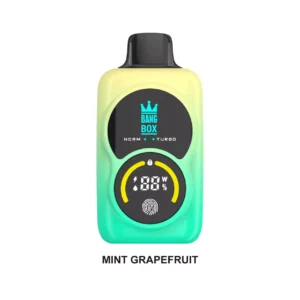
Concepute pentru durate de viață prelungite, dispozitivele Bang Box utilizează interfețe integrate reîncărcabile de tip C, alături de celule de bază de 850mAh. Sistemele lor proprietare cu bobine mesh funcționează la 1,0 ohmi, generând nori de vapori densi, păstrând în același timp integritatea profilurilor aromatice diverse. Această linie este foarte recomandată pentru datele demografice ale consumatorilor care caută longevitate.
RandM Tornadă
Arhitectură cu debit de aer reglabil
RandM Tornado se diferențiază prin controale pneumatice personalizabile. Supapa de bază rotativă permite utilizatorilor să restricționeze fizic sau să deschidă admisia de aer, făcând tranziția dispozitivului fără probleme de la o aspirație de la gură la plămân (MTL) la o aspirație restricționată direct în plămân (RDL). Indicatorii de activare RGB LED servesc și ca instrumente de diagnosticare pentru starea bateriei.
Elf Box
Standard de Eficiență Compactă
Stabilind standardul industrial pentru factorul de formă, Elf Box utilizează o carcasă din policarbonat unibody care maximizează volumul intern pentru rezervorul de formulă, menținând în același timp o amprentă foarte compactă. Alimentat de un chipset de activare inteligentă, acesta oferă o ieșire precisă de 3,6V, asigurând că livrarea senzorială rămâne neschimbată chiar și la o capacitate a bateriei de 10%.
4. Comparație a Specificațiilor Tehnice
Pentru managerii de inventar care evaluează meritele tehnice ale diferitelor linii de vape de unică folosință, următoarea matrice prezintă parametrii de inginerie de bază care dictează performanța dispozitivului și satisfacția consumatorilor.5. Economia Surselor de Vrac cu ELFVAPING
Eficiența lanțului de aprovizionare este fundamentul comerțului cu amănuntul profitabil. Prin centralizarea strategiei de achiziții prin ELFVAPING, comercianții cu amănuntul deblochează avantaje logistice și financiare semnificative. Ca autoritate principală și cea mai mare platformă de comerț cu ridicata online pentru vape-uri de unică folosință în Olanda, Germania, Belgia, Franța, Portugalia, Spania, Polonia și Danemarca, am optimizat căile de import și distribuție.Optimizați-vă inventarul de retail astăzi
Partenera cu cel mai important distribuitor european. Asigurați-vă hardware de top, beneficiați de procesele noastre excepționale de asigurare a calității și profitați de tarife angro extrem de competitive.
Cumpărați vape-uri de unică folosință en gros pe platforma noastră centralizată la ELFVAPING.
6. Protocoale de durabilitate și responsabilitate de mediu
Proliferarea electronicelor de înaltă volum necesită o abordare strictă a gestionării mediului. Mărcile moderne de vape de unică folosință proiectează din ce în ce mai mult hardware-ul lor pentru a se alinia Directivei Uniunii Europene privind deșeurile de echipamente electrice și electronice (WEEE). ELFVAPING susține exclusiv producătorii care implementează alegeri de proiectare durabile. Aceasta include tranziția către polimeri exteriori biodegradabili și arhitecturi interne modulare care permit unităților de reciclare specializate să extragă cu ușurință celulele de alimentare cu litiu-ion din plasticul structural și cuprul. Educarea consumatorului final cu privire la canalele de eliminare corespunzătoare rămâne o responsabilitate critică pentru comercianții cu amănuntul din întreaga UE.7. Întrebări frecvente ale experților: Navigarea în achiziționarea de vape de unică folosință
QCare este cantitatea minimă de comandă (MOQ) pentru activarea unui cont en-gros?
La ELFVAPING, am structurat modelul nostru de achiziții pentru a sprijini întreprinderile de toate dimensiunile. Cantitatea noastră minimă de comandă este stabilită la un nivel excepțional de accesibilitate de 10 bucăți. Acest lucru permite diversificarea rapidă a stocurilor și testarea localizată a pieței.
QCe regiuni sunt complet acoperite de rețeaua dvs. logistică?
Operăm ca platformă principală de comerț cu ridicata, care deservește în special Țările de Jos, Germania, Belgia, Franța, Portugalia, Spania, Polonia și Danemarca. Gateway-urile noastre de plată localizate (cum ar fi iDEAL pentru Țările de Jos și Bancontact pentru Belgia) facilitează tranzacții fără probleme.
QCum verificați fiabilitatea tehnică a dispozitivelor furnizate?
Programul nostru robust de asigurare a calității implică eșantionarea în loturi utilizând simulatoare pneumatice de tragere, diagnostice cu multimetru pentru starea de sănătate a bateriei și verificări ale stabilității termice. Acest lucru asigură că fiecare produs funcționează precis conform specificațiilor inginerești publicitate.
QExistă modele de prețuri scalabile pentru achiziții de volum mai mare?
Da, în timp ce MOQ-ul nostru începe de la 10 unități, algoritmul nostru de stabilire a prețurilor pe niveluri aplică automat reduceri semnificative pe măsură ce volumul comenzii crește, asigurând distribuitorilor cu capacitate mare să-și maximizeze marjele de vânzare cu amănuntul.
40.000 de vape-uri Puff
WASPE AIVIOU 40000 de pufuri Duble Gusturi Ecran LED Cumpărare în vrac Vape-uri reutilizabile de unică folosință în vrac
20.000 de vape-uri Puff
Cutie Bang 20000 Puffs Vape Reîncărcabilă Cumpărare în Vrac Vaporizator de Unică Folosință angro
60.000 de vape-uri Puff
WASPE AIVIOU 60000 de pufuri 3 Gusturi într-1 Ecran LED Cumpărare în vrac Vape-uri de unică folosință reîncărcabile pentru vânzare en gros
15000 Puff Vape-uri
RandM Tornado 15000 Puffs Cumpărare în Vrac Vaporizator Reîncărcabil de Unică Folosință angro
100000 Puff Vapes
LIDER BANG STOLL 100K Patru Gusturi 100000 Pufuri Vape de Unică Folosință Quad Mesh Coil în Vrac Cumpărare în Cantitate
100000 Puff Vapes
WASPE Patru Gusturi 100K Puff-uri Cumpărare în Vrac Vape-uri Reîncărcabile de Unică Folosință în Vrac
18000 de vape-uri Puff
Vape de unică folosință JNR Falcon X 18000 Puffs Dual Mesh Afișaj digital Cumpărare în vrac Rechargeable Vape de vânzare en gros
20.000 de vape-uri Puff
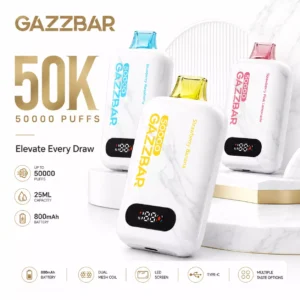
Gazzbar Rocket 20000 Puffs Dual Mesh Afișaj LED Cumpărare în Vrac Vape-uri Reîncărcabile de Unică Folosință în Vrac